

Driving a van for the first time: what to know
Driving a van for the first time is not difficult, but it is different from driving a car. A van is bigger, heavier and usually has no interior rear-view mirror, so you rely on the door mirrors. Take it steadily, check your height and load, and make sure you are properly insured before you set off.

Earn points and use them to save money in the app. Download today.


What to consider before driving a van
Before you drive a van, three things matter most: whether your licence allows it, whether you are insured, and how comfortable you are with the size. A standard car licence covers most vans, but the vehicle is larger and handles differently, so it pays to be prepared rather than learning on a busy road.
If the van is borrowed or hired, sort the insurance first. The owner's policy rarely covers other drivers, and hire cover often carries a high excess, so know exactly what you are covered for before you turn the key.
Speed limits for vans differ from those for cars and depend on the vehicle's weight and road type - our guide to van speed limits in the UK covers every scenario so you know the limit before you set off.
How a van differs from a car to drive
The biggest surprise for most first-timers is the lack of an interior rear-view mirror. With a solid bulkhead or a loaded cargo area behind you, you cannot see directly out of the back, so the door mirrors do all the work.
A van is also taller, longer, wider and heavier than a car. That changes how it accelerates, brakes and corners, especially with a load on board, and it means you have to think about height and width in places a car driver never would.
City driving throws up bus lane questions that catch many new van drivers out - our guide to van bus lane rules explains which vans can use bus lanes, when, and what the penalty is if you get it wrong.
Mirrors and blind spots
Because there is no rear-view mirror, the door mirrors are your main view of the road behind. Set them properly before you move off so you can see down each side and pick up vehicles approaching from behind.
Vans have a large blind spot, particularly on the nearside and directly behind. Get into the habit of checking your mirrors early and often, and do a shoulder check where you can. A reversing camera or sensors, if fitted, help, but they do not replace careful mirror use.
The differences between vans and cars are easier to understand before you drive, and our guide comparing how vans and cars drive differently covers the key contrasts.
Every vehicle has its own blind spot pattern, and windscreen pillars and blind spots breaks down where cars typically hide the most.
Height, width and length
A van's height is easy to forget until you meet a low bridge, a height barrier in a car park, or a drive-through. Note the van's height before you set off, and steer clear of height-restricted car parks unless you are certain it fits.
The extra length and width affect how you position the van, take corners and park. Give yourself more room than you would in a car, take turns wider and slower, and use the mirrors to judge the back end, which swings out more than you expect.
If the vehicle you are driving is technically a car-derived van rather than a panel van, different rules may apply - our guide to what a car-derived van is explains the definition, which regulations differ, and how to check which category your vehicle falls into.
Vans are far more likely to hit a height restriction than a car, and our guide to bridge height limits explains how to check before you set off.
Braking and handling with a load
A van is heavier than a car, and a loaded van heavier still, so it takes longer to stop. Leave a bigger gap to the vehicle in front and brake earlier and more gently than you would normally.
A heavy or poorly secured load also affects handling. Keep heavy items low and over the axles, secure everything so it cannot shift, and remember that the van will feel very different empty versus fully loaded. Build in extra time and space until you are used to it.
What you can use a van for
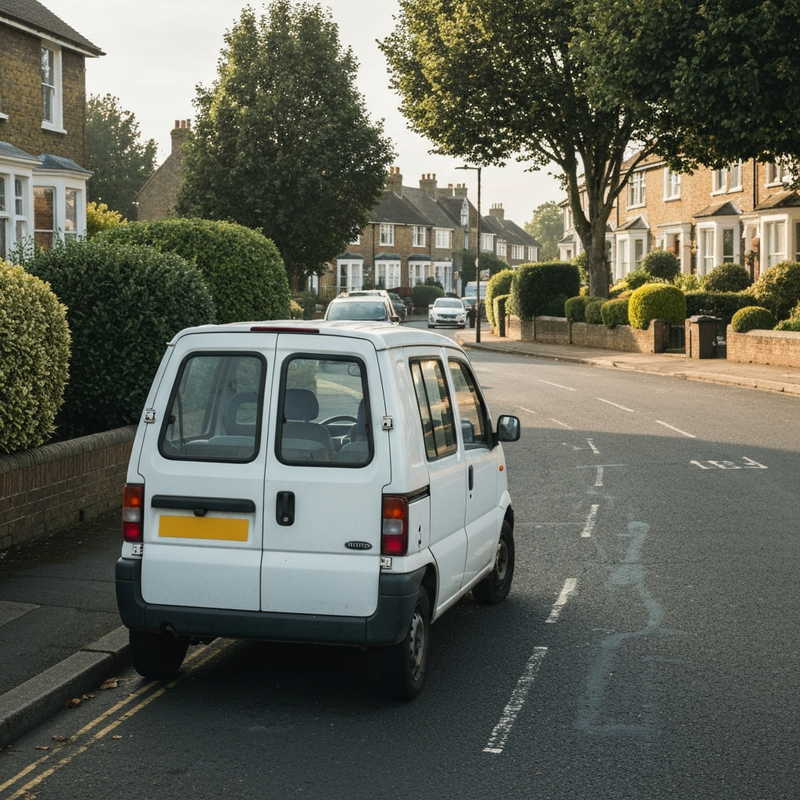
A van opens up jobs a car cannot handle: house moves, transporting furniture, DIY and garden runs, and carrying tools or equipment for work. The practical limit is your licence and the van's weight rating, not just the space inside.
If you only need a van occasionally, hiring or borrowing one for the day is usually more sensible than owning one. Either way, make sure the use is covered by your insurance, as some policies distinguish between personal and business use.
Checking your licence entitlement first makes sense - our guide to driving a van on a car licence covers the weight thresholds and what needs a C1.
Insuring a van you are driving
If the van is not yours, you almost always need your own cover to drive it legally. Driving on someone else's van policy, or with none, risks a serious penalty and an unpaid claim.
Short-term cover is the simplest answer for a one-off. A short-term van policy covers you to drive a borrowed or hired van for exactly the days you need, with comprehensive cover as standard, and it keeps any claim off the owner's policy. Our guide to insuring a borrowed van to move furniture covers a common first-time scenario.
Before you decide on the move, it is worth comparing man with a van versus borrowing one yourself to see which suits your situation.
Reversing and parking a van
Reversing is where the lack of a rear-view mirror is felt most. With no view straight out of the back, you rely on the door mirrors and, if fitted, a reversing camera or sensors, so take it slowly and get out to look if you are unsure of what is behind you.
Parking takes more space and more planning than in a car. Allow for the van's length and the way the back overhangs, give yourself room to manoeuvre, and where you can, choose pull-through or end spaces rather than tight bays. If someone can guide you into a difficult spot, accept the help; there is no shame in it when you cannot see directly behind.
Know the rules before you drive
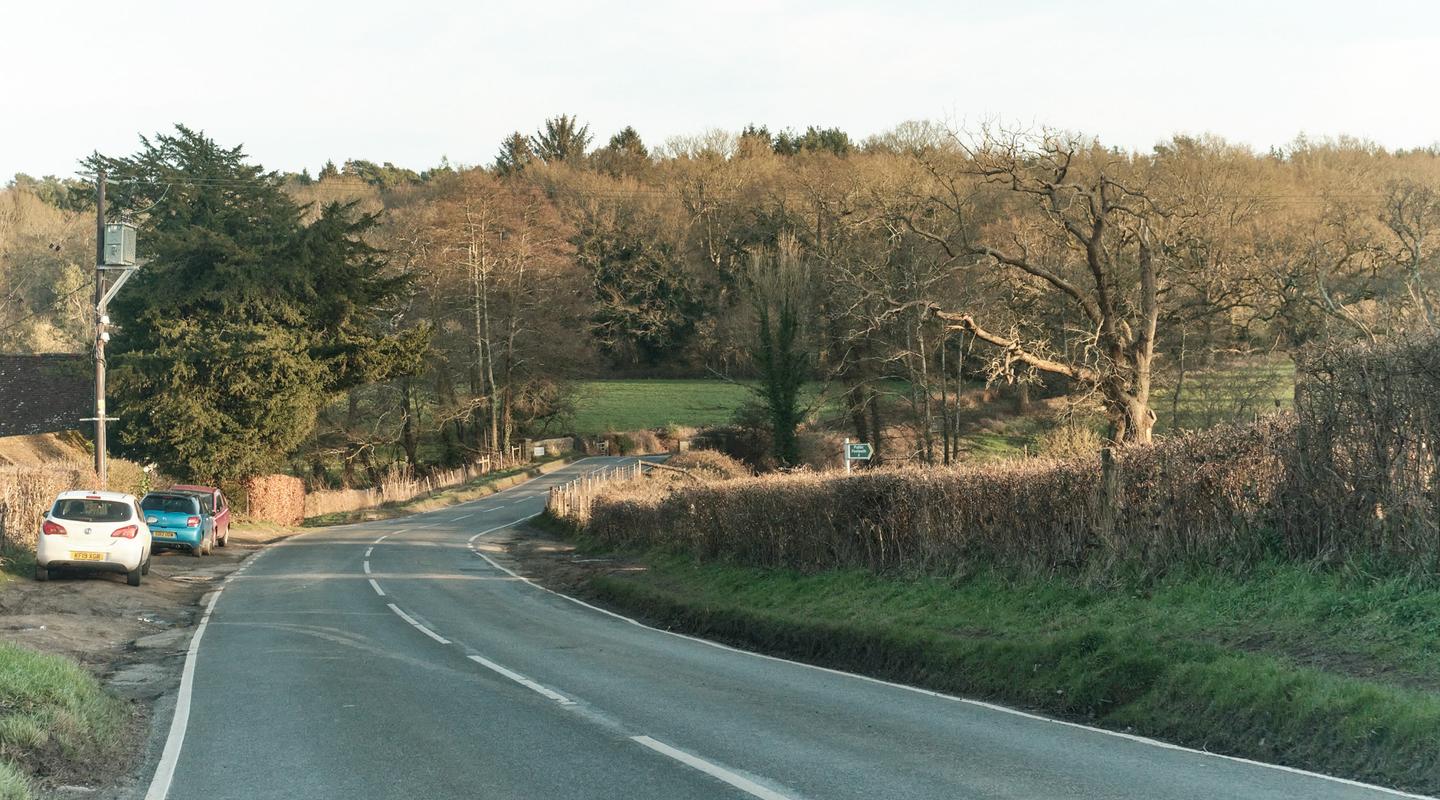
The official rules for vans are worth knowing before your first drive. The GOV.UK guidance on driving a van sets out who can drive one, the lower speed limits that apply, the weight and loading limits, and the rules on maintenance.
The speed limits catch people out most often: a standard van is limited to 50mph on a single carriageway and 60mph on a dual carriageway, lower than a car, even though the motorway limit is the same 70mph.
Frequently asked questions
Is driving a van harder than driving a car?
It is not harder, but it is different. A van is bigger, heavier and usually has no interior rear-view mirror, so you rely on the door mirrors and leave more room for braking and turning. Most car drivers adapt quickly by taking it steadily at first.
Why do vans not have a rear-view mirror?
Most vans have a solid bulkhead or a loaded cargo area behind the seats, so an interior mirror would show nothing. Instead you rely entirely on the door mirrors, and a reversing camera or sensors if fitted, which is why setting the mirrors well matters.
Do I need special insurance to drive a van for the first time?
If the van is borrowed or hired, you usually need your own cover, as the owner's policy rarely covers other drivers and hire cover can carry a high excess. Temporary van insurance covers you for the days you need without affecting the owner's policy.
Are van speed limits different from car speed limits?
Yes. A standard van is limited to 50mph on a single carriageway and 60mph on a dual carriageway, both lower than for a car. The motorway limit is the same 70mph. Car-derived vans can follow the same limits as cars.
What do I need to check before driving a van?
Check that your licence allows it, that you are insured, and the van's height so you avoid low bridges and barriers. Set the door mirrors before moving off, and give yourself extra room for braking, turning and parking until you are used to the size.
Temporary insurance quote
Get a price in under 60 seconds!