

Van speed limits in the UK: what applies to your vehicle
The speed limits that apply to a van depend on whether it is a car-derived van or a standard panel van. Car-derived vans share the same national speed limits as cars. Standard panel vans and other light goods vehicles have lower limits on single carriageways and dual carriageways. The motorway limit is 70 mph for all vans up to 7.5 tonnes. Here is how to work out which limits apply to the van you are driving.

Earn points and use them to save money in the app. Download today.


Do vans have different speed limits to cars?
It depends on the type of van. Car-derived vans - small vans built on car platforms with a maximum laden weight of 2,000 kg or less - are treated the same as cars for speed limit purposes. They face the same national limits on all road types.
Standard panel vans and light goods vehicles that are not car-derived face lower limits on single carriageways and dual carriageways. The difference catches many drivers out: a van driver who assumes the 60 mph national speed limit applies on an A-road may actually be limited to 50 mph if their vehicle does not qualify as car-derived.
The motorway limit is 70 mph for all light vans up to 7.5 tonnes MAM - the same as for cars. It is on rural roads where the limits diverge between van types.
Van drivers covering long motorway runs have the same fatigue obligations as car drivers - UK motorway service stations ranked covers the best stops on each major motorway route, including parking capacity and facilities for commercial drivers.
Speed limits for car-derived vans
A car-derived van is subject to the same limits as a passenger car:
- Built-up areas: 30 mph (unless signs indicate a lower limit)
- Single carriageway: 60 mph national speed limit
- Dual carriageway: 70 mph national speed limit
- Motorway: 70 mph national speed limit

To qualify as car-derived under the speed limit regulations, the vehicle must have been constructed or adapted from a passenger car (M1 category) and must have a maximum laden weight not exceeding 2,000 kg. Common examples include the Ford Fiesta Van, Vauxhall Corsa Van, and Volkswagen Polo Van. If the van was clearly based on a small hatchback and has a low load rating, it is almost certainly car-derived.
Car-derived vans sit in their own weight category that gives them different speed limits from panel vans - our guide to car-derived vans explained covers the definition, key differences from panel vans, and how the classification affects insurance and road tax.
Van drivers face different rules from cars in multiple areas - speed limits and bus lanes being the two most misunderstood - van bus lane rules in the UK explains which bus lanes vans can legally use, when the rules differ from cars, and how TfL camera enforcement works in London.
Speed limits for panel vans and light goods vehicles up to 7.5 tonnes
Standard panel vans and light goods vehicles that are not car-derived have lower limits on open roads:
- Built-up areas: 30 mph (same as cars)
- Single carriageway: 50 mph national speed limit
- Dual carriageway: 60 mph national speed limit
- Motorway: 70 mph national speed limit
This category covers most working vans - Ford Transit, Mercedes Sprinter, VW Transporter, Renault Trafic, Ford Transit Custom, and similar vehicles. The motorway limit is the same as for cars, but the single carriageway limit is 10 mph lower than the car limit. On a national speed limit A-road, the legal maximum for a Transit driver is 50 mph, not 60 mph.
This is one of the most commonly missed distinctions in van driving. A driver accustomed to car limits who switches to a panel van may unknowingly exceed the limit on rural A-roads even at moderate speeds.
Van speed limits on dual carriageways differ from the national speed limit for cars - dual carriageway rules in the UK explains the speed limits, how to join safely, and the rules on overtaking and lane discipline.
Speed limits for heavy vans over 7.5 tonnes
Goods vehicles with a maximum authorised mass (MAM) exceeding 7.5 tonnes face the lowest limits:
- Built-up areas: 30 mph
- Single carriageway: 40 mph
- Dual carriageway: 50 mph
- Motorway: 60 mph
Vehicles in this category require a category C licence and fall under separate commercial vehicle rules. Most drivers hiring or borrowing a van for personal or light business use will be operating a vehicle well under 7.5 tonnes.
It is worth noting that the 7.5 tonne threshold is the vehicle's maximum authorised mass, not its actual loaded weight. A vehicle rated at 7.6 tonnes MAM falls into this category even if it is driven empty, because the limit is based on the vehicle's plated weight, not what it happens to be carrying at any given time.
Van drivers are subject to the same lane discipline rules as car drivers on motorways - middle lane hogging - rules and penalties covers the Highway Code obligation to keep left, the fixed penalty, and the common scenario where drivers mistakenly think they are following the rules.
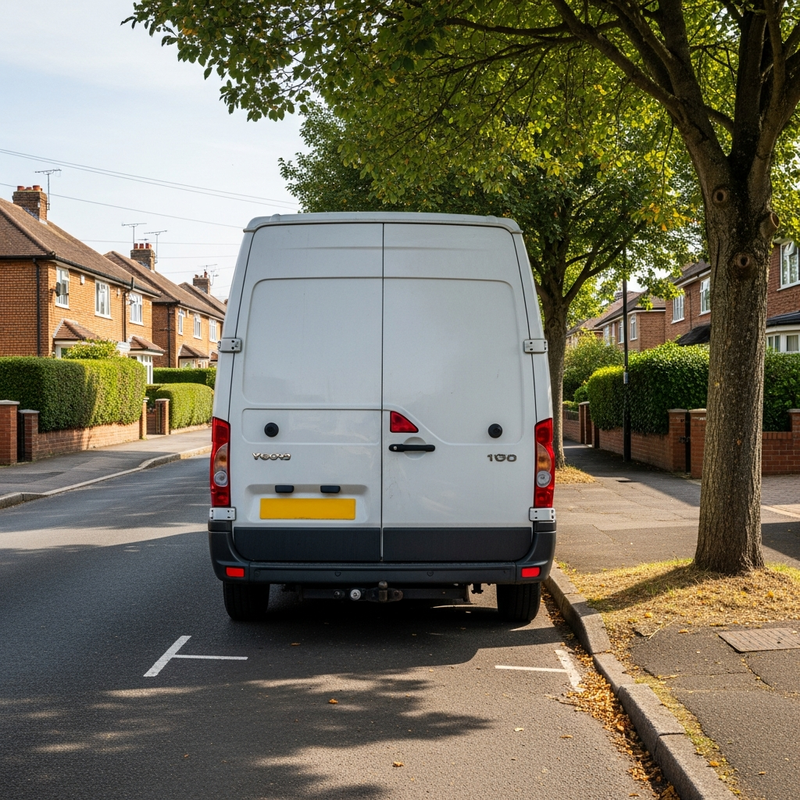
How to identify which category your van is in
If the van is clearly built on a compact car platform (Fiesta, Corsa, Polo), it will almost certainly be car-derived. If it is a full-size panel van, it falls under the 50/60 mph limits. If you are unsure, check with the manufacturer or look up the vehicle's V5C registration document, which states the body type and MAM. Our guide to what vans you can drive on a car licence explains the weight categories relevant to your licence entitlement.
If you are new to driving vans, our guide to driving a van for the first time covers the differences from car driving that matter most on your first outing.
High-sided vans are at particular risk in high winds, and the speed limits that apply in normal conditions do not account for gusts - driving in high winds in the UK - the rules and risks covers what speed to reduce to, when to stop entirely, and the Highway Code guidance on severe weather driving.
If you are driving a hired or borrowed van rather than one covered by your own annual policy, check that your insurance covers you across all road types. A short-term van policy can be taken out in your own name on any van you have permission to drive, from a single hour up to 28 days.
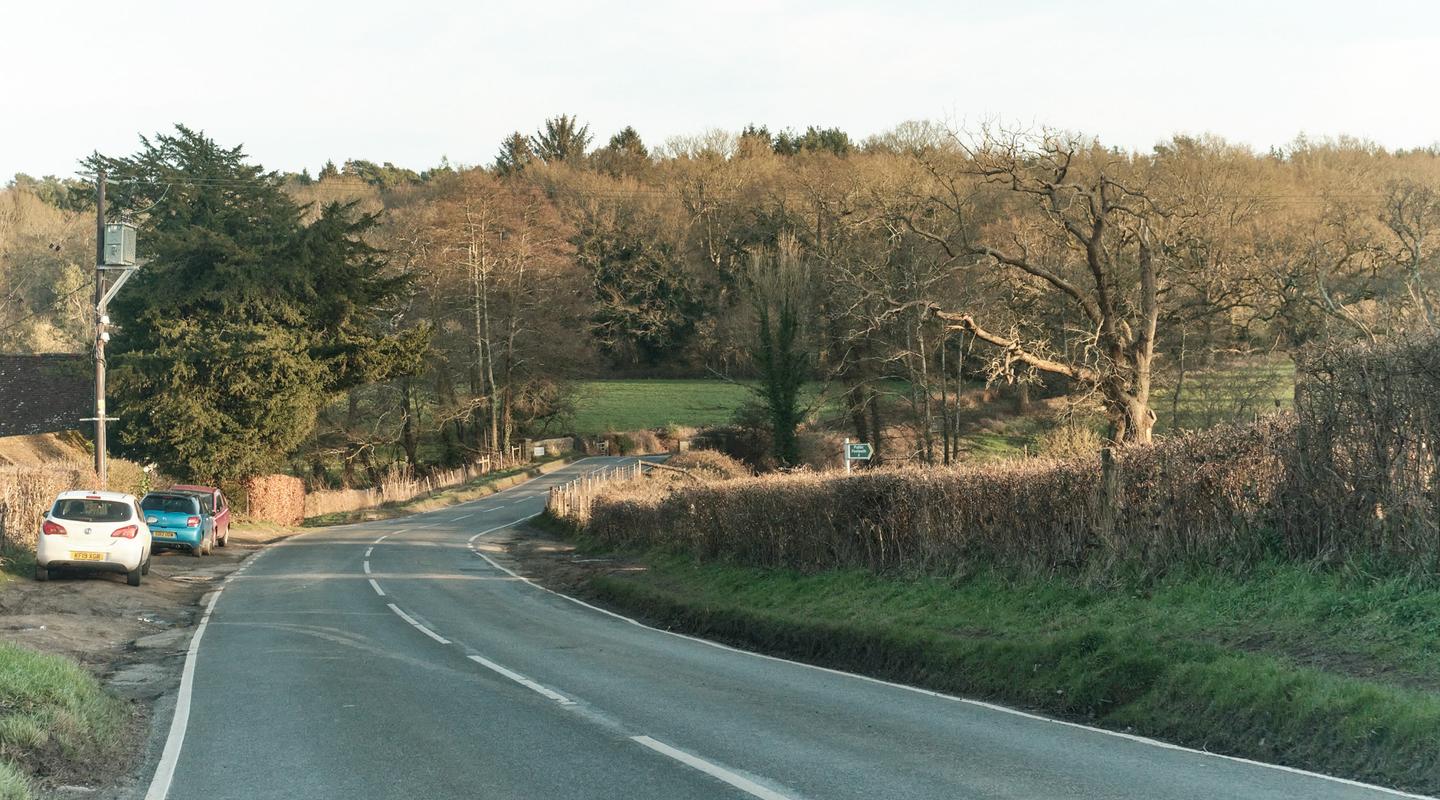
Speed limits when towing with a van
When a van is towing a trailer, lower limits apply regardless of the van type:
- Single carriageway: 50 mph
- Dual carriageway: 60 mph
- Motorway: 60 mph
These apply as soon as a trailer is attached. The 30 mph limit in built-up areas remains unchanged. For a car-derived van driver who normally travels at 60 mph on open A-roads, attaching even a lightweight trailer drops that limit to 50 mph.
If you drive a van you do not own - collecting a vehicle, a one-off job, or borrowing from a colleague - a temporary policy provides cover for the period you need without committing to an annual policy.
Frequently asked questions
What is the speed limit for a van on a single carriageway?
For a car-derived van, 60 mph. For a standard panel van or light goods vehicle up to 7.5 tonnes MAM that is not car-derived, 50 mph. For vehicles over 7.5 tonnes MAM, 40 mph.
Do vans have a lower motorway speed limit than cars?
Not for most vans. Light vans up to 7.5 tonnes MAM have the same 70 mph motorway limit as cars. Vehicles exceeding 7.5 tonnes MAM are limited to 60 mph on motorways.
What counts as a car-derived van for speed limits?
A van constructed or adapted from a passenger car (M1 category) with a maximum laden weight not exceeding 2,000 kg. Common examples: Ford Fiesta Van, Vauxhall Corsa Van, VW Polo Van.
What is the speed limit for a Ford Transit on a single carriageway?
50 mph. A Ford Transit is a standard light goods vehicle, not a car-derived van, so the national single carriageway limit for vans applies - not the 60 mph car limit.
Does towing a trailer reduce the speed limit for a van?
Yes. When towing, limits drop to 50 mph on single carriageways, 60 mph on dual carriageways, and 60 mph on motorways, regardless of which van type you are driving.
Temporary insurance quote
Get a price in under 60 seconds!