
Dual carriageways explained: rules and speed limits
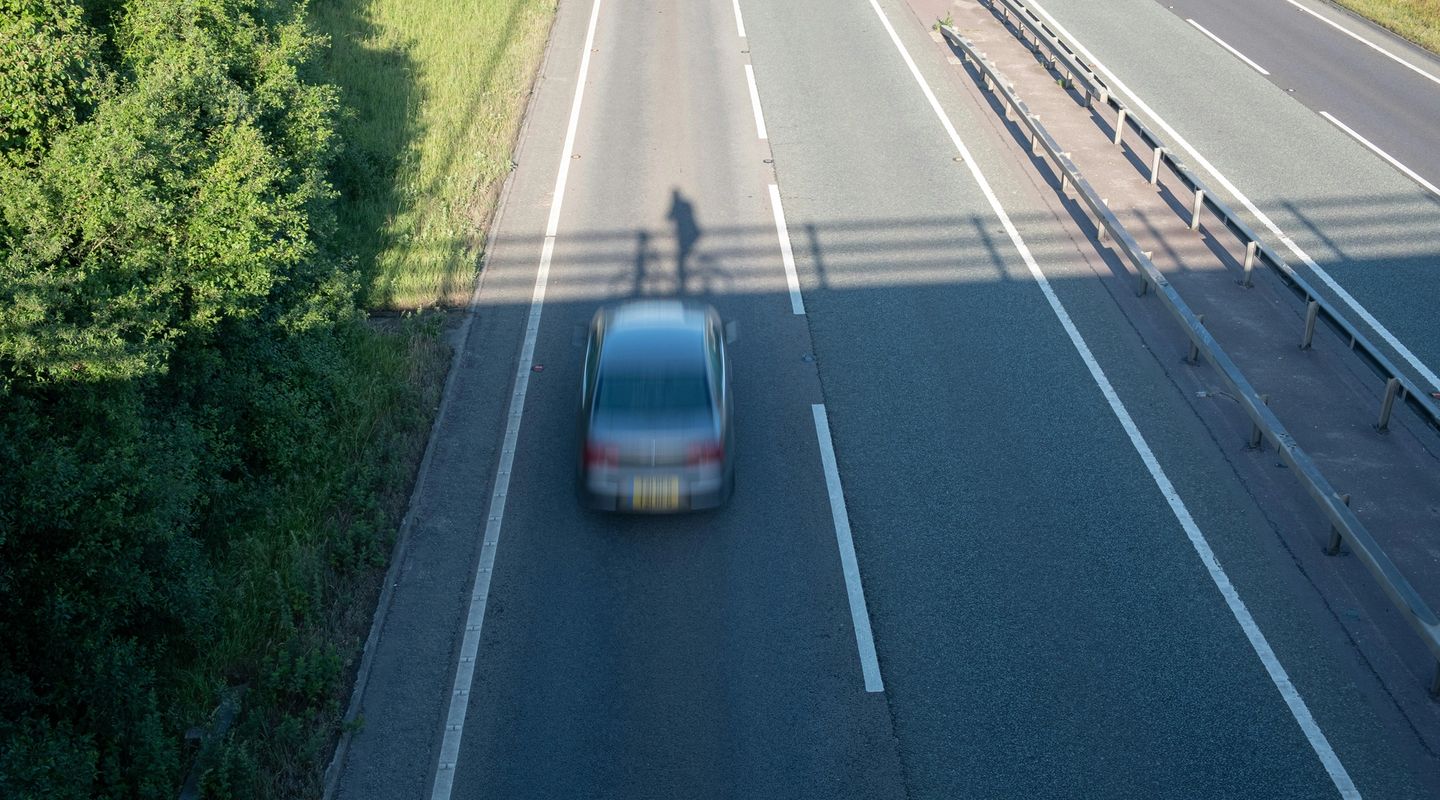
A dual carriageway is a road where the two directions of traffic are separated by a central reservation. The national speed limit for a car is 70mph, the same as a motorway, but a dual carriageway is not a motorway and different rules apply. The central reservation is what defines it, not the number of lanes.

Earn points and use them to save money in the app. Download today.


What is a dual carriageway?
A dual carriageway is a road where traffic in opposite directions is separated by a central reservation, a strip of land, barrier or kerb down the middle. Each direction has its own carriageway, which is where the name comes from.
As with single carriageways, the definition is about separation, not lane count. A dual carriageway can have two, three or more lanes in each direction, but the defining feature is always the central reservation between the two directions of travel.
Using a built-in sat nav system is different from holding a phone - and Apple CarPlay adds further nuance - Apple CarPlay and Android Auto explained covers how mirroring works, whether it counts as using a handheld device, and what the current legal position is.
What is the speed limit on a dual carriageway?
The national speed limit for a car or motorcycle on a dual carriageway is 70mph, the same as a motorway. It applies where no lower limit is signed, shown by the national speed limit sign, a white circle with a diagonal black stripe.
Many dual carriageways have lower signed limits, often 40, 50 or 60mph, especially through built-up areas. Where a limit is signed, that limit applies. As always, the national limit is a maximum for good conditions rather than a target.
Dual carriageways and smart motorways are among the first road types being evaluated for autonomous vehicle operation - driverless taxis in the UK - what we know so far covers the trial programme, the companies involved, and the timeline to wider public availability.
Cameras enforce these limits across dual carriageway routes, and our guide to UK speed cameras explains the difference between average-speed and fixed cameras and how each is triggered.
How is a dual carriageway different from a single carriageway?
The difference is the central reservation. A dual carriageway has a physical barrier or reservation separating the two directions; a single carriageway does not, leaving only road markings between oncoming traffic.
Because of that separation, the national speed limit is higher on a dual carriageway, 70mph against 60mph for a car on a single carriageway. The amber studs along the central reservation are a useful clue that you are on a dual carriageway.
The keep-left rule applies on dual carriageways as well as motorways - though enforcement is more common on the latter - middle lane hogging on UK motorways - the law explains the Highway Code rule, the fixed penalty, and when police are most likely to take action.
When the central reservation disappears the rules change significantly, and our guide to single carriageway roads covers the speed limits, overtaking rules, and how they differ from a dual carriageway.
Is a dual carriageway a motorway?
No. A dual carriageway and a motorway both separate the two directions of traffic, and both have a 70mph car limit, but they are not the same and the rules differ.
Motorways carry restrictions that dual carriageways do not: learner drivers may only use motorways with an approved instructor in a dual-control car, and certain vehicles such as some mopeds and slow vehicles are banned. On an ordinary dual carriageway, those restrictions generally do not apply, so it is important to know which road you are on.
Long motorway journeys need planned stops - knowing the best services to aim for makes a real difference - the best motorway service stations in the UK ranks the top stops by facilities, food quality, and user ratings so you can plan rest breaks in advance.
Speed limits for vans and towing
As on other roads, the limits are lower for some vehicles. A standard van or goods vehicle up to 7.5 tonnes is limited to 60mph on a dual carriageway, rather than the 70mph for cars.
A car towing a trailer or caravan is also limited to 60mph on a dual carriageway. Car-derived vans follow the same limits as cars. Always apply the lower of the national limit and any signed limit for your vehicle type.
If a dual-carriageway journey is in a car that is not your own, temporary car insurance covers you on it for the trip without going on the owner's annual policy.
Joining and leaving a dual carriageway
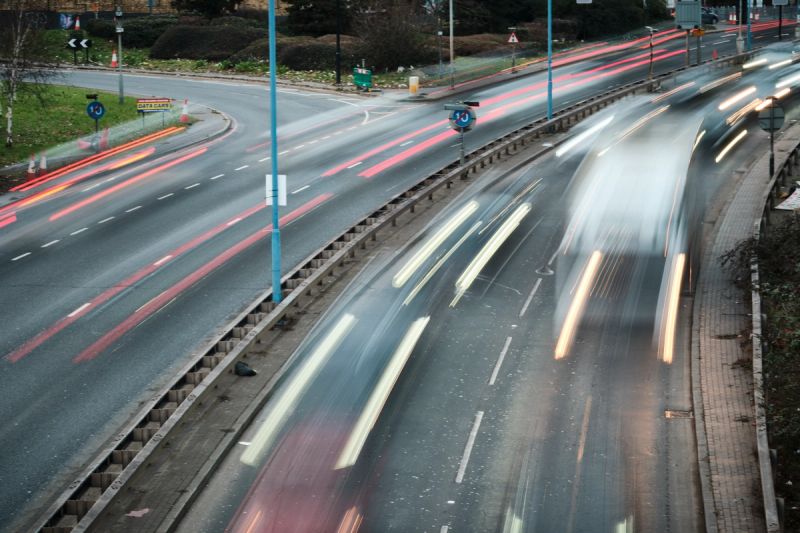
Many dual carriageways are joined by slip roads, much like a motorway. Use the slip road to build up to the speed of the traffic already on the carriageway, and merge into a gap without forcing other drivers to brake.
When leaving, move into the left-hand lane in good time and do most of your slowing on the slip road. At junctions where traffic crosses or turns rather than slip roads, take extra care, as the closing speeds on a 70mph road are high.
Common mistakes on dual carriageways
A few mistakes catch drivers out on dual carriageways, partly because the high speeds make them less forgiving than they feel. Misjudging the speed of approaching traffic when joining or crossing is a common one: closing speeds on a 70mph road are far higher than on a 30mph street, so a gap that looks fine can close very quickly.
Lane hogging is another, with drivers sitting in the middle or outer lane when the left lane is clear, which is inconsiderate and can be careless driving. Treating a dual carriageway as a motorway is a third: some vehicles banned from motorways may use a dual carriageway, so you can encounter slower traffic, cyclists or even pedestrians crossing at junctions where there are no slip roads. Finally, drivers sometimes forget that a lower limit may be signed, especially through towns, and that vans and towing vehicles are limited to 60mph rather than 70mph. Reading the signs and the road, rather than assuming, avoids all of these. The safest mindset is to treat a fast dual carriageway with the same respect as a motorway, even though some of the motorway restrictions do not formally apply.
Getting the overtake wrong here is a common mistake, and the full overtaking rules for UK roads explains when it is and is not permitted.
Lane discipline on a dual carriageway
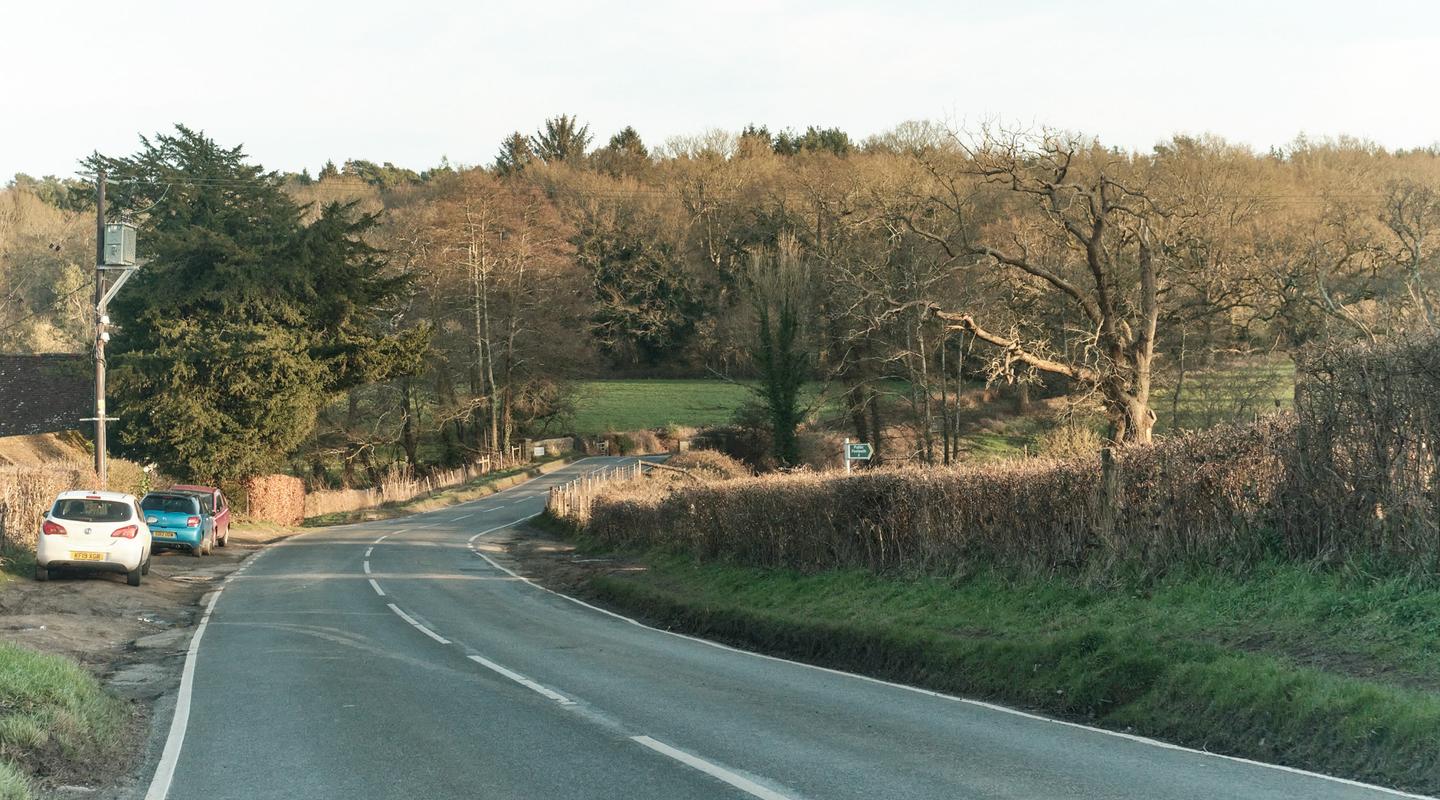
The lane rules mirror a motorway: keep to the left-hand lane unless overtaking, and return to it once you have passed. The outer lanes are for overtaking, not for cruising, and sitting in them unnecessarily can amount to careless driving.
For the full set of rules on faster roads, including smart motorways and breakdowns, our guide to the motorway driving rules covers lane discipline in detail, much of which applies equally to a fast dual carriageway.
Frequently asked questions
What is the speed limit on a dual carriageway?
The national speed limit for a car on a dual carriageway is 70mph, the same as a motorway. It applies where no lower limit is signed. Many dual carriageways have lower signed limits, especially in built-up areas, and where signed those apply.
What makes a road a dual carriageway?
A central reservation separating the two directions of traffic, regardless of the number of lanes. If there is a physical barrier or strip down the middle, it is a dual carriageway; if only road markings separate oncoming traffic, it is a single carriageway.
Is a dual carriageway the same as a motorway?
No. Both separate the directions of traffic and have a 70mph car limit, but a motorway has extra restrictions, such as learner rules and banned vehicles, that an ordinary dual carriageway does not. It is important to know which road you are on.
What is the van speed limit on a dual carriageway?
A standard van or goods vehicle up to 7.5 tonnes is limited to 60mph on a dual carriageway, rather than the 70mph for cars. Cars towing a trailer are also limited to 60mph. Car-derived vans follow the car limits.
Can learner drivers use a dual carriageway?
Yes. Learner drivers can use dual carriageways with any qualifying supervisor, unlike motorways, which require an approved driving instructor and a dual-control car. Dual carriageways are good practice for the higher speeds and merging that motorways involve.
Temporary insurance quote
Get a price in under 60 seconds!