

How private practice can reduce the cost of your driving lessons
Learning to drive can feel expensive with the costs of continued professional driving lessons. Many learner drivers and their families look for ways to reduce these costs without compromising on quality or safety. Knowing the theory test pass mark and hazard perception scores in advance helps you plan and pass first time. Before any practical work you'll need to pass theory — see our guide on how to book a driving theory test for the process.

Earn points and use them to save money in the app. Download today.


How private practice can reduce the cost of your driving lessons
Learning to drive can feel expensive with the costs of continued professional driving lessons. Many learner drivers and their families look for ways to reduce these costs without compromising on quality or safety.
Private practice with friends or family members between your professional lessons offers one of the most effective ways to build driving experience while keeping costs manageable. With the right approach, you can significantly reduce the total number of professional lessons you need. Students returning home for breaks often combine private practice with paid lessons — see our guide on learning to drive as a student during the holidays.
Motorways stay instructor-only while you learn, so our guide to motorway driving for learners is worth reading before you book one.
What is private practice for learner drivers?
Private practice means driving with a qualified supervisor outside of your official driving lessons. Your supervisor must be over 21, have held a full UK driving licence for at least three years, and meet specific legal requirements.
This practice time helps reinforce what you learn in professional lessons, giving you extra hours behind the wheel without the hourly cost. Many driving instructors actively encourage private practice as it helps students progress faster and build confidence.
The key is ensuring you're properly insured and following DVLA rules. You'll need learner driver insurance that covers you while practising, and your supervisor needs to meet all legal requirements.
Not all venues are suitable, and whether you can legally practise in a supermarket car park is a question our guide answers directly.
How much can private practice save you?
The average learner needs around 45 hours of professional lessons before passing their test, according to DVSA data.
Students who combine professional lessons with regular private practice often reduce their required lesson hours.
Beyond the direct savings, private practice helps you pass your test sooner. Fewer attempts at your practical test means additional savings, plus you get your independence faster.
The main costs for private practice are insurance and fuel. Daily learner insurance or weekly learner insurance allows you to book the time you can practice right before you do it. If you know you have regular access to a vehicle and teacher, then you could get learner driver insurance for up to 90 days.
Night sessions are one of the most effective types of private practice you can add to your lessons - our guide to learner driver night driving covers the rules around supervised night driving and how to plan your first sessions safely.
Legal requirements for private practice
Your supervisor must hold a full UK driving licence for the category of vehicle you're learning in, and have held it for at least three years continuously. They need to be over 21 and not be disqualified from driving.
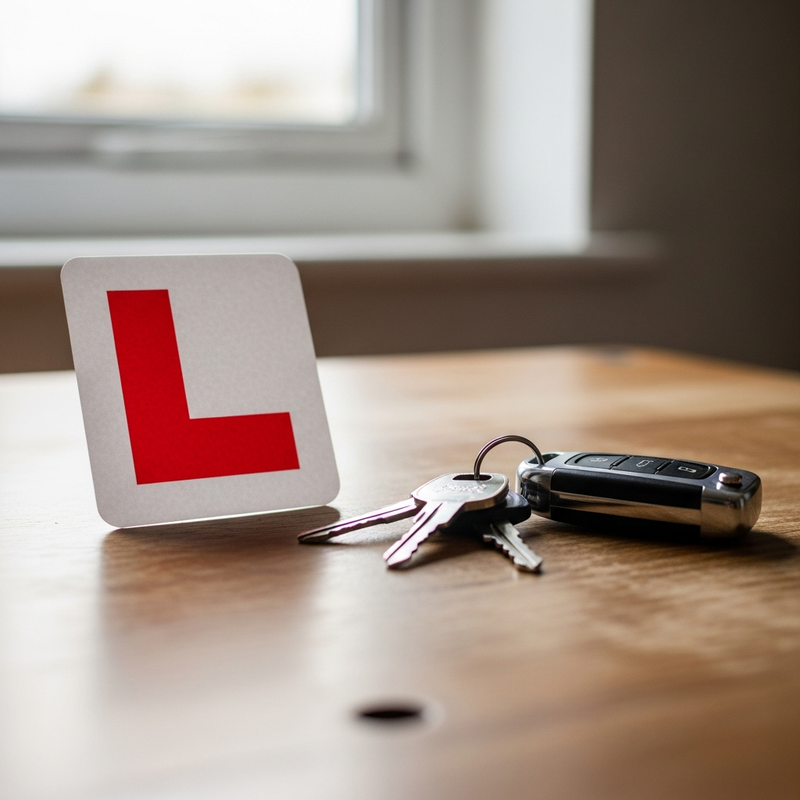
You must display L-plates clearly on the front and rear of the vehicle (or D-plates in Wales if you prefer). The car needs a valid MOT if it's over three years old, current road tax, and appropriate insurance covering you as a learner driver.
Your supervisor should be sober and alert. While there's no legal requirement for them to have dual controls, they need to be able to intervene if necessary and take responsibility for your driving decisions.
Check the DVLA guidance on learning to drive for the most current requirements, as rules can change.
Insurance options for private practice
You have several insurance options for private practice, each suited to different situations and budgets.
Hourly learner insurance works well for occasional practice sessions. This flexibility suits families who only practice at weekends or when schedules align.
For regular practice, weekly learner insurance or monthly learner insurance might be more suitable.
Some learners benefit from adding themselves to a family member's annual policy, though this can affect the main policyholder's no claims discount if you have an accident.
Temporary learner policies protect the car owner's no claims bonus and often provide more comprehensive cover than being added as a named driver.
The right product for private practice is learner driver insurance, which covers each session without touching the supervisor's own policy.
Adding a learner to the household policy for private practice is one option - but it risks the no-claims bonus - how to protect a parent's no-claims bonus while a learner is practising explains the different insurance routes and which one protects the supervising driver's discount.
Making private practice effective
Structure your private practice to complement your professional lessons rather than replace them. Use practice time to reinforce skills your instructor has taught you, not to learn completely new manoeuvres.
Focus on building confidence with basic skills like clutch control, steering, and observation. Quiet car parks help you practice fundamental vehicle control, while quieter residential roads let you work on gear changes and positioning.
Your supervisor should stay calm and patient. Mixed messages between your instructor and supervisor can confuse your learning, so discuss your lesson progress with both parties.
Keep a log of your practice sessions. Note what you worked on, areas for improvement, and any concerns to discuss with your instructor. This helps your professional lessons target your specific needs.
Avoid practising complex manoeuvres like parallel parking unless your instructor specifically recommends it. Some skills need professional guidance to learn correctly from the start.
Holiday practice can cut lesson costs significantly, and our guide to learning to drive in the student holidays shows how to make the most of time at home.
With practical test waits stretching to several months in many areas, making the most of that time matters, and our guide to driving test waiting times explains the current delays and how to find a cancellation slot sooner.
Finding the right supervisor
Choose a supervisor who's patient, calm under pressure, and has recent driving experience. Someone who passed their test decades ago might not be familiar with current driving techniques or test requirements.
Your supervisor needs good communication skills to explain what they're observing without causing panic or confusion. They should understand that their role is supporting your professional instruction, not replacing it.
Consider multiple supervisors if possible. Different family members or friends might excel at different aspects - one might be great for motorway confidence while another excels at city centre navigation.
Ensure your chosen supervisor understands they're legally responsible for your actions while you're driving. This responsibility includes ensuring you follow traffic laws and don't put other road users at risk.
Understanding what is required of a supervisor is essential before the first private practice session - the rules for supervising a learner driver explains the age and experience requirements for supervisors and what the Highway Code says about the role.
Common mistakes to avoid
Don't use private practice to learn new skills without professional guidance first. Bad habits formed during unsupervised practice can take professional lessons to correct, potentially costing more than you save.
Avoid practising in challenging conditions like heavy rain, snow, or busy city centres until you're confident with basic skills. Build complexity gradually.
Don't skip professional lessons entirely in favour of private practice. You need expert instruction to develop proper technique and prepare effectively for your driving test.
Never practice without appropriate insurance. Driving uninsured can result in six penalty points, a £300 fine, and potential disqualification. It also invalidates any claim if you have an accident.
Your supervisor shouldn't use practice time for their own errands unless you're confident enough to handle those specific driving situations safely.
Private practice between paid lessons reduces the total number of formal lessons most people need - how many driving lessons you need to pass covers the DVSA average, what affects your total, and how private practice with a supervisor changes the equation.

Planning your practice sessions
Short, focused sessions often work better than long drives. Hour-long practices help you concentrate without becoming overwhelmed or tired.
Plan your routes in advance, choosing roads appropriate to your current skill level. Start with quiet residential areas and gradually progress to busier roads as your confidence builds.
Time your practice to avoid peak traffic when possible. Quieter roads help you focus on technique rather than dealing with complex traffic situations before you're ready.
Coordinate with your driving instructor to identify specific areas for practice. They can suggest particular skills or situations that would benefit from extra time between lessons.
Consider weekend learner insurance if you can only practice on Saturdays and Sundays, as this targeted cover often costs less than daily policies for weekend-only learners.
Private practice represents one of the smartest investments in your driving education, potentially saving hundreds of pounds while helping you become a more confident driver. With proper insurance, qualified supervision, and a structured approach, you can significantly reduce your learning costs.
Ready to start practicing? Get a quote for learner driver insurance in under two minutes and begin reducing your driving lesson costs today.
Frequently asked questions
How much can private practice really save on driving lessons?
Students who combine professional lessons with regular private practice often reduce their required lesson hours. The average learner needs around 45 professional lessons, so even a modest reduction adds up significantly.
What are the legal requirements for supervising a learner driver?
Your supervisor must be over 21, hold a full UK driving licence for at least three years continuously, and not be disqualified from driving. The car needs L-plates, valid MOT (if over 3 years old), road tax, and appropriate learner driver insurance.
Is it cheaper to add a learner to family car insurance or get temporary cover?
This depends on your situation. Adding a learner to annual family insurance can be cost-effective for long-term learning but may affect the main policyholder's no claims discount. Temporary learner insurance protects the main policy and is comprehensive.
Can private practice replace professional driving lessons?
Private practice should complement professional lessons, not replace them. You need qualified instruction to learn proper technique and prepare for your driving test. Use practice time to reinforce skills your instructor has taught you.
What insurance do I need for private practice as a learner driver?
You need insurance that specifically covers learner drivers. Options include hourly, daily, weekly, or monthly temporary learner driver insurance, up to 90 days; or being added to the car owner's annual policy. Never practice without appropriate cover as this can result in penalties and unlimited fines.
Temporary insurance quote
Get a price in under 60 seconds!