

Car-derived vans: what they are and how they differ from panel vans
A car-derived van is a goods vehicle built on a passenger car platform, sharing the engine, running gear, and often the front bodywork of a car but fitted with a panel van body and commercial load area. They are classed as light commercial vehicles (N1), not passenger cars (M1), which affects how they are insured, taxed, and what speed limits apply. Here is what sets them apart from standard panel vans.

Earn points and use them to save money in the app. Download today.


What is a car-derived van?
A car-derived van (CDV) is a goods vehicle constructed or adapted from a passenger car. It uses the same fundamental platform, engine, and running gear as a car but has a panel van body with no rear side windows and a flat commercial load area instead of passenger seating.
The legal definition matters because it affects speed limits. Under the Motor Vehicles (Speed Limits) Regulations, a car-derived van is specifically a goods vehicle derived from a passenger car (M1 category vehicle) with a maximum laden weight not exceeding 2,000 kilograms. This definition is what gives car-derived vans the same national speed limits as cars, rather than the lower limits that apply to standard panel vans.
Despite the car origins, a car-derived van carries a DVLA vehicle category code of N1 (light commercial vehicle), not M1 (passenger car). That distinction determines how the vehicle is registered, taxed, and insured - as a commercial vehicle, not a private car.
Whether the vehicle is a car-derived van or a full panel van, short-term insurance works the same way for a single trip - temporary insurance for a borrowed van on an IKEA or DIY run explains the cover options available for a one-off borrowed-van trip and what documentation the lender will need.
Examples of car-derived vans in the UK
Common UK car-derived vans include:
- Ford Fiesta Van - one of the most widely used small CDVs in the UK, based directly on the Fiesta hatchback
- Vauxhall Corsa Van - based on the Corsa passenger car
- Volkswagen Polo Van - based on the VW Polo
- Renault Clio Van - common in small business and sole trader use
- Fiat Fiorino - based on the Fiat Grande Punto platform
- Peugeot Bipper and Citroën Nemo - compact CDVs from the PSA group

Vans built on larger car platforms, such as the Ford Transit Connect or Peugeot Partner Van, may also qualify as car-derived under the regulations if their maximum laden weight falls within the 2,000 kg threshold. Some variants of these models exceed that weight and therefore fall into the standard light goods vehicle category instead. Check the vehicle identification plate inside the driver's door frame for the definitive GVW figure.
What speed limits apply to a car-derived van?
Because they meet the car-derived definition, these vans are subject to the same national speed limits as passenger cars:
- Built-up areas: 30 mph
- Single carriageway: 60 mph national speed limit
- Dual carriageway: 70 mph national speed limit
- Motorway: 70 mph national speed limit
This is a meaningful difference from standard panel vans, which are limited to 50 mph on single carriageways and 60 mph on dual carriageways. A Ford Fiesta Van driver is legally travelling at 60 mph on a national speed limit A-road; a Ford Transit driver on the same road is limited to 50 mph.
When towing a trailer, the towing limits apply regardless of van type: 50 mph on single carriageways, 60 mph on dual carriageways, 60 mph on motorways.
How is a car-derived van insured?
A car-derived van is insured as a commercial vehicle, not as a car, even though it shares the same mechanical underpinnings as its passenger car counterpart. You need van insurance, not car insurance, to cover it.
Van insurance policies typically ask about intended use. A van used purely for commuting to a single place of work can often be covered on a social, domestic, and pleasure basis. A van used to carry tools, equipment, or goods for business requires commercial use cover, which is a specific underwriting category.
Premiums for car-derived vans are generally lower than for full-size panel vans, reflecting the smaller vehicle and lower payload capacity. They are, however, typically higher than equivalent car premiums because commercial vehicle underwriting applies. If you use a car-derived van occasionally or need to drive one that is not yours, a short-term van policy provides cover for the period you need without committing to an annual policy.
MOT and vehicle excise duty
Car-derived vans are due for their first MOT at three years old - the same trigger as passenger cars. However, they are tested under Class 7 (goods vehicles up to 3,500 kg GVW) rather than the Class 4 test used for cars. The Class 7 test includes additional checks relevant to load carrying, such as inspection of the load area floor and securing points.
Vehicle Excise Duty (VED) for a car-derived van is charged at the light goods vehicle flat annual rate rather than by engine size or CO2 output as it is for passenger cars. This makes the road tax cost more predictable, though the rate depends on the vehicle's registration date.
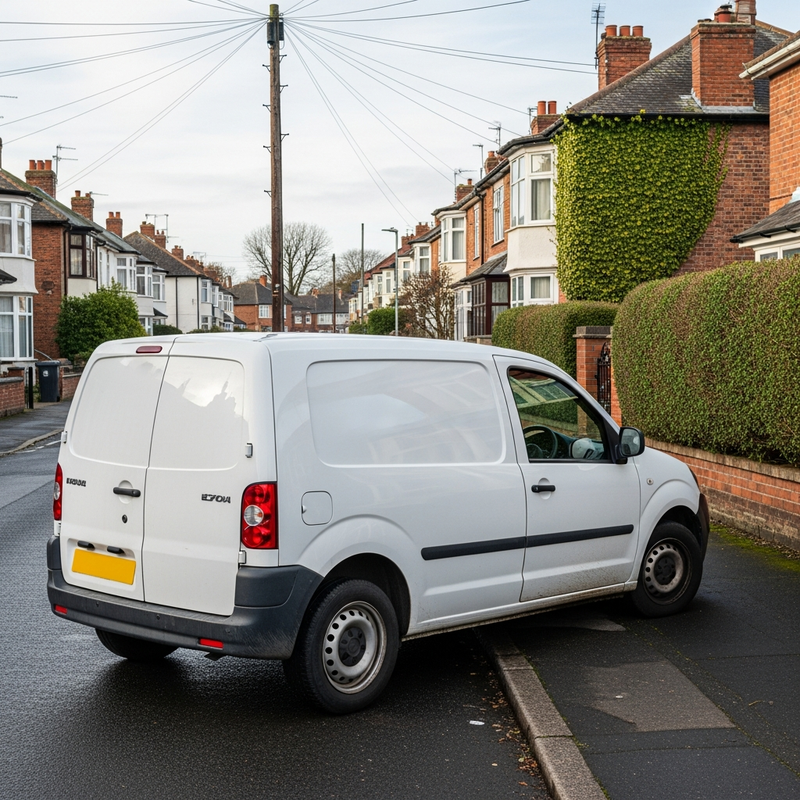
Car-derived van versus standard panel van
Car-derived vans suit light loads, urban use, and drivers who want compact dimensions and lower running costs. They are easier to park, cheaper to insure, and their car-derived handling means they are straightforward to drive for anyone already comfortable in a small hatchback.
Standard panel vans offer substantially more payload, load volume, and height. For carrying anything bulkier than flat parcels, tools, or a light stock load, a Transit or Transporter is the practical choice - and the 50 mph single-carriageway limit is a trade-off for that capacity.
Our guide to the differences between driving a van and a car covers what to expect when switching to a larger van, and what vans you can drive on a car licence explains the weight categories that apply to your driving entitlement.
Frequently asked questions
What is a car-derived van?
A goods vehicle built on a passenger car (M1) platform with a maximum laden weight of 2,000 kg or less. It has a commercial panel van body but shares the engine and running gear of a passenger car.
What are examples of car-derived vans in the UK?
Ford Fiesta Van, Vauxhall Corsa Van, VW Polo Van, Renault Clio Van, and Fiat Fiorino are common examples. Some variants of the Ford Transit Connect and Peugeot Partner may also qualify, depending on their maximum laden weight.
What speed limits apply to a car-derived van?
The same as a car: 60 mph on a single carriageway, 70 mph on a dual carriageway, and 70 mph on a motorway. This is higher than the 50 mph single carriageway limit that applies to standard panel vans.
Do you need van insurance or car insurance for a car-derived van?
Van insurance. Car-derived vans are classed as N1 light commercial vehicles, not M1 passenger cars, so they require commercial vehicle cover even though they are mechanically based on a car.
What MOT class is a car-derived van?
Class 7 (goods vehicles up to 3,500 kg GVW). The first MOT is due at three years old, the same as a passenger car, but the test itself differs from the Class 4 car MOT.
Temporary insurance quote
Get a price in under 60 seconds!