
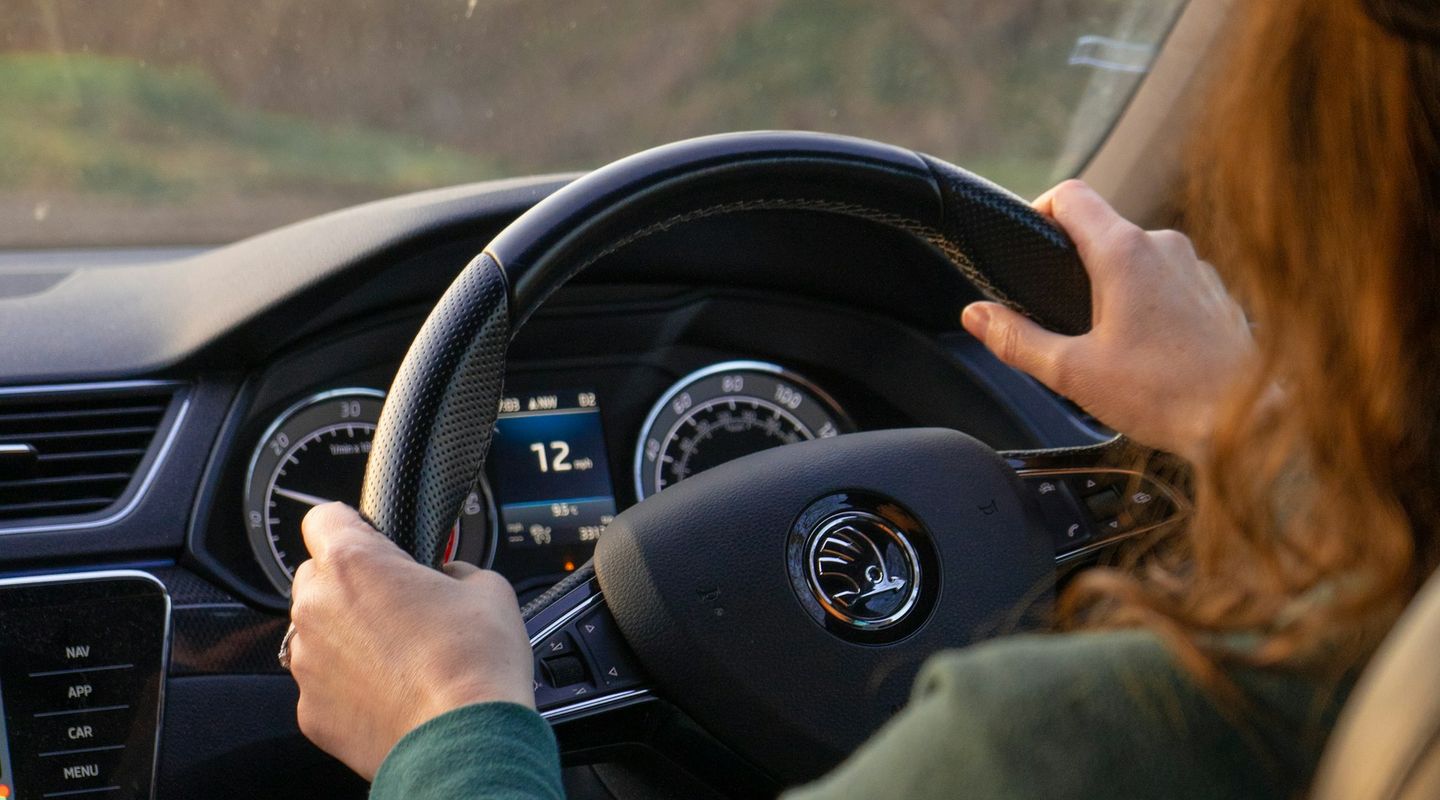
Highway Code changes: what every driver needs to know
The Highway Code introduced a hierarchy of road users that places the greatest responsibility on those who can cause the most harm. It changed how drivers should behave at junctions and when overtaking cyclists. Most of these rules are guidance rather than offences in themselves, but ignoring them can still count against you in court.

Earn points and use them to save money in the app. Download today.


What is the hierarchy of road users?
The hierarchy of road users is the principle at the heart of the changes. It places those who can do the most harm in a collision, drivers of large vehicles and cars, at the top of the responsibility ladder, and the most vulnerable, pedestrians, at the point of greatest protection.
It does not give anyone right of way or remove anyone's responsibility for their own safety. Instead, it says that the more harm you are capable of causing, the more care you must take to reduce the danger to others. A driver therefore carries more responsibility towards a cyclist than the other way around.
If you carry young passengers, the rules on child car seats are worth checking too.
Phone rules are among the most frequently updated, and our guide to the mobile phone driving law explains what is currently legal.
What changed for drivers at junctions?
The biggest practical change is at junctions. Drivers, motorcyclists and cyclists should now give way to pedestrians who are crossing, or waiting to cross, a road into which or from which you are turning.
Previously the convention was that a pedestrian had to have already started crossing. Now you should hold back and let them cross if they are waiting at the junction. This takes some getting used to, because it means looking for pedestrians at the kerb and giving way before you turn, not only once they have stepped out.
Some everyday habits are quietly illegal, and the driving laws you might not know you are breaking lists them.
Speed limits are central to road rules, and our guide to speeding fines explains what happens when you exceed them.
This was one of the most significant updates, and our dedicated guide to pedestrian priority at junctions breaks down exactly what changed.
What are the new rules around overtaking cyclists?
The Code sets out clearer distances. When overtaking a cyclist at speeds up to 30mph, you should leave at least 1.5 metres of space, and more at higher speeds. For horse riders you should pass at no more than 15mph and leave at least 2 metres.
If you cannot give that much room, you should wait behind until it is safe to pass, just as you would for a slow-moving vehicle. The aim is to remove the close passes that frighten cyclists and cause collisions.
If you are unsure where you can stop, the UK parking rules set it out clearly.
For any journey in a borrowed or unfamiliar vehicle, temporary car insurance provides comprehensive cover by the day, week, or month.
Do pedestrians now have priority at junctions?
In effect, yes, when they are crossing or waiting to cross at a junction you are turning into or out of. The guidance asks drivers to give way in that situation, which is a meaningful shift from the old approach.
It is worth being clear that this is framed as guidance rather than a standalone criminal offence. But a driver who turns across a waiting pedestrian and causes harm could face a careless or dangerous driving charge, with the Code cited as evidence of the expected standard.
Signs and markings are central to the Code, and our guide to UK road signs explains what they all mean.
Pedestrian priority varies by crossing type, and our guide to the different types of road crossings explains what each one means for drivers.
What changed for cyclists under the new Highway Code?
The Code now advises cyclists to ride in the centre of the lane on quiet roads, in slower-moving traffic and at junctions, and to keep around half a metre from the kerb on busier, faster roads. This makes them more visible and discourages dangerous close passes.
It also confirms that cyclists may ride two abreast, which is often safer in groups and with children, though they should be aware of drivers behind and move into single file to allow overtaking where it is safe. Drivers should expect and allow for this positioning.
Enforcement of impairment rules has tightened, and the UK drink and drug driving limits explain the numbers drivers need to know.
Cyclists now have more protection under the updated code, and our guide to cycle lanes covers the rules drivers need to know.

What do the changes mean for drivers day to day?
In practice, the changes ask drivers to anticipate and give way more around vulnerable road users. Look for pedestrians waiting at junctions, leave full space when passing cyclists and horses, and check for cyclists before opening a car door, ideally using the hand furthest from the door.
None of this removes responsibility from other road users for their own safety. It simply asks the people in charge of the heaviest, fastest vehicles to take the most care, which for most drivers means slowing down and looking more carefully at junctions.
Rules differ significantly when you cross the Channel, and our complete guide to driving abroad from the UK covers insurance, documents, and country-specific speed limits.
Roundabouts are a junction type with their own priority system, and our guide to roundabout rules covers lane choice and spiral markings.
What other changes did the updated Highway Code introduce?
Beyond the hierarchy, the updated Code brought in several smaller but useful changes. It introduced guidance on the "Dutch reach", opening your car door with the hand furthest from it, which turns your body so you naturally look over your shoulder for cyclists before opening up.
It also clarified priority for cyclists at roundabouts, asking drivers not to cut across a cyclist continuing around the roundabout, and updated the guidance on charging electric vehicles to leave cables tidy and avoid creating a trip hazard. None of these are new offences in themselves, but together they reflect a shift towards drivers anticipating the most vulnerable road users in everyday situations, not just at the obvious moments.
Fatigue is treated increasingly seriously under the updated rules, and our guide on driving tired and the law covers what counts as a criminal offence.
How do Highway Code changes affect insurance claims?
While the hierarchy rules are largely guidance, they shape how fault is judged after a collision. Insurers and courts look at whether each party behaved as the Code expects, so a driver who failed to give way to a waiting pedestrian, or passed a cyclist too closely, may be found more at fault.
That can affect liability, the outcome of a claim, and ultimately your premium. The practical message is that following the current Code is not just about avoiding a charge; it also protects your position if you are ever involved in an incident.
Frequently asked questions
What is the hierarchy of road users?
It is the principle that those who can cause the most harm in a collision carry the greatest responsibility to reduce danger to others. Drivers of larger vehicles are at the top, pedestrians the most protected. It does not give anyone automatic right of way.
Do pedestrians have priority at junctions even if they have not stepped out yet?
The Code says drivers should give way to pedestrians crossing or waiting to cross a road you are turning into or out of, including those waiting at the kerb. This is a change from the old convention that a pedestrian had to have already started crossing.
How far must you give cyclists when overtaking?
You should leave at least 1.5 metres when overtaking a cyclist at speeds up to 30mph, and more at higher speeds. For horse riders, pass at no more than 15mph leaving at least 2 metres. If you cannot, wait behind until it is safe to pass.
Are the Highway Code changes legally enforceable?
Many of the hierarchy rules use 'should' and are advisory guidance rather than standalone offences. However, failing to follow them can be cited as evidence in a careless or dangerous driving prosecution and can affect how fault is decided in a claim.
What changed for cyclists riding side by side?
The Code confirms cyclists may ride two abreast, which can be safer in groups and with children. They should stay aware of traffic behind and move into single file to let vehicles overtake where it is safe. Drivers should expect this and allow room.
Temporary insurance quote
Get a price in under 60 seconds!