
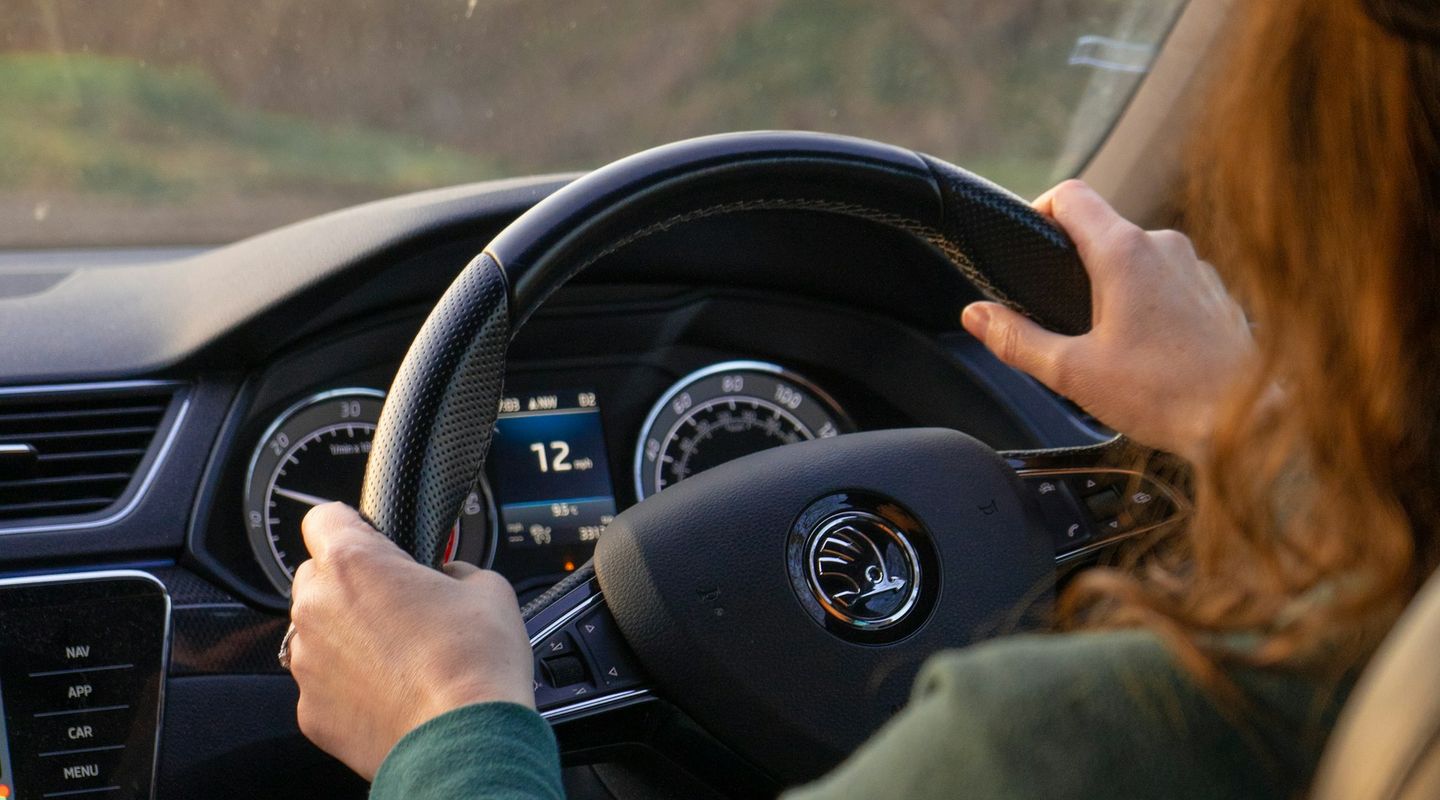
Driving tired: is it illegal and what are the risks?
There is no specific offence of "driving while tired" for everyday drivers, but that does not make it safe or consequence-free. If tiredness causes you to drive below the expected standard, or to fall asleep at the wheel, you can be charged with careless or dangerous driving, which carry severe penalties.

Earn points and use them to save money in the app. Download today.


Is it illegal to drive tired in the UK?
There is no offence called "driving while tired" for private drivers. The police cannot stop and ticket you simply for yawning. What the law does is treat the consequences of driving tired very seriously.
Fatigue is a major cause of serious crashes, and if tiredness leads you to drive carelessly, drift out of your lane, or fall asleep at the wheel, you can be prosecuted under the offences that cover bad driving. So while tiredness itself is not an offence, the driving it produces very much can be.
Like fatigue, alcohol impairs driving long before you feel it, so know the drink drive limits.
If fatigue has affected your usual driving arrangements and you need to use a different vehicle, temporary car insurance provides flexible cover by the day or week without an annual commitment.
What counts as fatigue-related dangerous driving?
If you fall asleep or become so drowsy that your driving falls well below the standard of a competent driver, that can amount to dangerous driving. Drifting between lanes, missing hazards, or losing control because you nodded off are all examples.
The law does not accept "I was tired" as an excuse. In fact, choosing to keep driving when you knew you were exhausted can make the offence worse, because you were aware of the risk and continued anyway. The court looks at the standard of driving, and fatigue is treated as something you should have managed.
Speed enforcement is one part of the broader road safety picture - our guide to speed cameras in the UK covers the camera types, how average-speed systems work, and what happens after a detection.
Careless driving charges cover a wider range of behaviour than most drivers expect - our guide to the law on splashing pedestrians is one example: driving too close to a pedestrian near standing water can amount to a careless driving offence carrying a fixed penalty and three points.
How many hours should you drive before taking a break?
The Highway Code advises taking a break of at least 15 minutes after every two hours of driving. On a long journey, that rhythm keeps you alert and reduces the build-up of fatigue.
It also helps to avoid setting off when you would normally be asleep, to share the driving if you can, and to recognise the warning signs: heavy eyes, frequent yawning, and drifting thoughts. If you notice them, the advice is to stop somewhere safe and rest, not to push on to your destination.
Tiredness is a real motorway danger, and the motorway driving rules cover breakdowns and lane use.
Long overseas drives demand the same rest discipline, and our guide to driving in Europe from the UK covers the legal requirements country by country.
What does the law say about tiredness at the wheel?
The law works through the general bad-driving offences rather than a tiredness-specific rule. Careless driving covers driving below the standard of a careful and competent driver; dangerous driving covers driving that falls far below it. Tiredness that produces either can be prosecuted.
Professional drivers of lorries, buses and coaches are a separate case. They are bound by strict drivers' hours and tachograph rules that limit how long they can drive and mandate breaks and rest, with penalties for breaching them. Those rules do not apply to ordinary car drivers, but they exist precisely because fatigue is so dangerous.
Planning rest stops is especially important on a long motorway run - our guide to the UK's biggest motorways covers each major route and its key characteristics to help plan the journey.
What are the consequences of causing an accident through tiredness?
If you cause a collision because you fell asleep or drove while exhausted, the consequences can be severe. Depending on the harm caused, charges can range from careless driving up to causing death by dangerous driving, which carries a long prison sentence.
These are among the most serious driving offences, and tiredness offers no defence. A driver who ignored clear signs of fatigue and caused a death can face years in prison, which is why the simple act of stopping to rest matters so much.
A proper break at a services is one of the most effective ways to manage driver fatigue on a long journey - our guide to the best motorway services covers which stops offer the most facilities and which chains score highest for quality and value.
If fatigue caused you to clip a parked vehicle, the obligation to stop and exchange details still applies - our guide to what to do if you hit a parked car explains what the law requires at the scene and what happens if the owner is not present.

Does driving tired affect your insurance claim?
If you cause an accident while tired, it is treated as an at-fault claim, with the usual effect on your no claims discount and your premium. If the incident leads to a careless or dangerous driving conviction, the consequences for future insurance are far greater.
A conviction must be declared to insurers, often pushes premiums up sharply, and can lead some insurers to decline cover. So beyond the immediate danger, driving tired can have a lasting financial cost if it results in a claim or a conviction.
Telematics systems record exactly this kind of behaviour - our guide to telematics (black box) insurance explains what a black box monitors and how it affects your premium over time.
Phone use is categorised alongside fatigue as a driver distraction offence - our guide to mobile phone driving law sets out what counts as an offence, the penalties, and the AI cameras now used to detect it.
Fatigue-related claims are treated as at-fault, with the usual effect on excess and NCD - our guide to car insurance excess explains how compulsory and voluntary excess work and what to expect when you need to claim.
What are the warning signs you are too tired to drive?
Fatigue rarely arrives all at once; it builds, and the warning signs are easy to talk yourself out of. The common ones are heavy or stinging eyes, frequent yawning, drifting thoughts, missing a junction or exit, and a few seconds where you cannot remember the last stretch of road.
Crucially, "microsleeps", brief lapses of a second or two, can happen before you feel you are falling asleep, and at motorway speed a single second covers around thirty metres with your eyes effectively shut. If you notice any of these signs, treat them as a clear instruction to stop at the next safe place rather than something to push through. Winding down the window or turning up the radio does not address tiredness; only rest does.
Tiredness slows reaction time, directly extending stopping distance - our guide to UK stopping distances shows exactly how much road you need at every speed.
Tiredness can lead to poor speed management - our guide to UK speeding fines explains the three bands, fixed penalty process, and when a speed awareness course is the better option.
Dehydration in hot weather impairs reaction time in much the same way as fatigue, and our guide to driving in hot weather in the UK covers how heat affects concentration and what to do if you start to feel unwell behind the wheel.

How long should you rest at a service station?
The standard guidance is a break of at least 15 minutes every two hours, and on a motorway a service area is the place to take it. Stretch your legs, get some fresh air, and have a caffeinated drink if it helps, though caffeine is a short-term aid, not a substitute for rest.
If you are genuinely exhausted, 15 minutes may not be enough. A short nap of around 20 minutes in a safe place, followed by a few minutes to wake up properly, is more effective than pressing on. The only real cure for tiredness is sleep.
Frequently asked questions
Is driving while tired illegal in the UK?
There is no specific offence of driving while tired for private drivers. However, if tiredness causes you to drive below the required standard or to fall asleep at the wheel, you can be prosecuted for careless or dangerous driving, which carry serious penalties.
Can you be prosecuted for dangerous driving if you fall asleep at the wheel?
Yes. Falling asleep, or becoming so drowsy that your driving falls far below the standard of a competent driver, can amount to dangerous driving. Continuing to drive when you knew you were exhausted can make the offence more serious, not less.
How long should you drive before taking a break?
The Highway Code advises a break of at least 15 minutes after every two hours of driving. Avoid setting off when you would normally be asleep, share the driving where possible, and stop to rest as soon as you notice heavy eyes or frequent yawning.
Is there a legal maximum number of hours you can drive in a day?
Not for ordinary car drivers, who are guided by the Highway Code rather than a legal limit. Professional drivers of lorries, buses and coaches are bound by strict drivers' hours and tachograph rules that cap driving time and require breaks and rest.
How does an insurer treat a claim where fatigue was a factor?
It is treated as an at-fault claim, affecting your no claims discount and premium. If it leads to a careless or dangerous driving conviction, the effect is far greater: the conviction must be declared and can push premiums up sharply or lead to refusals.
Temporary insurance quote
Get a price in under 60 seconds!