
What is Telematics Car Insurance? Black Box Insurance Explained
Telematics car insurance - often called black box insurance - uses a device installed in your car, or a smartphone app, to monitor how you drive. The data collected is used by your insurer to assess your risk and price your premium accordingly.

Earn points and use them to save money in the app. Download today.


How does a black box work?
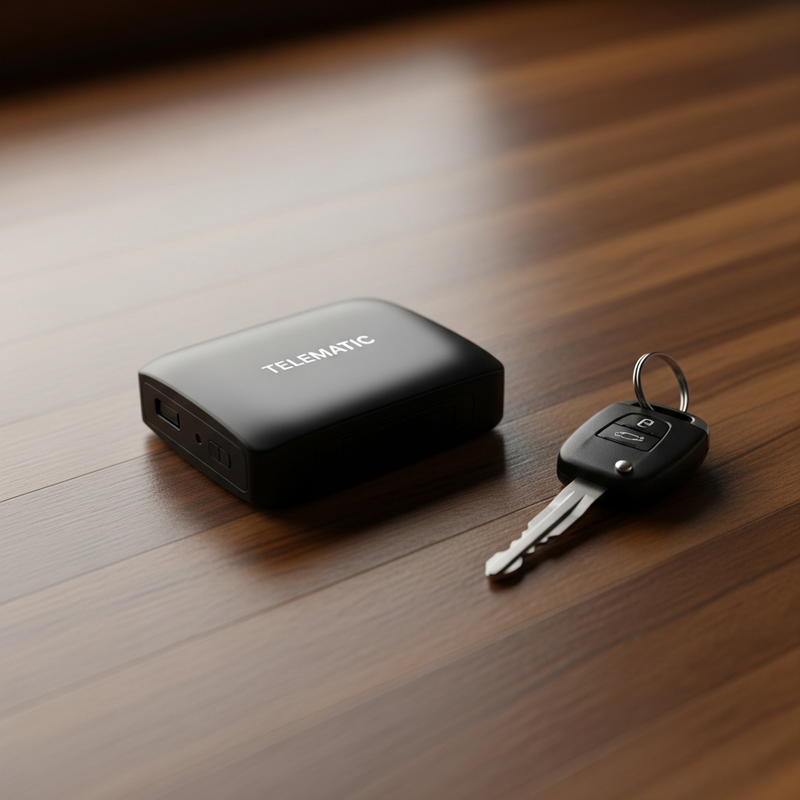
A telematics device - commonly referred to as a black box - is a small electronic unit installed in your vehicle, usually behind the dashboard or under the bonnet. Installation is typically carried out by the insurer or a third-party engineer. Some insurers instead use a smartphone app that collects equivalent data using the phone's sensors.
Once active, the device monitors your driving continuously and transmits data to your insurer. The data is usually accessible to the policyholder via an app or online portal, showing scores and summaries of recent journeys.
Some telematics policies adjust your premium in real time based on data received; others lock in a premium at inception and use the telematics data to determine your renewal price. Some operate on a pay-per-mile structure, where the cost is based partly on how much you drive. The model varies by insurer, so it is worth understanding which approach applies before committing.
Telematics technology is part of the same sensor ecosystem that underpins driverless vehicle development - the UK driverless taxi rollout - cities, timelines, and technology covers which operators are running trials, what the vehicles look like, and the regulatory framework.
What does telematics insurance monitor?
Telematics devices typically record the following data points:
- Speed - whether you are driving within posted speed limits and how your speed varies through journeys.
- Braking - how sharply or frequently you brake. Smooth, progressive braking is scored more favourably than sudden hard stops.
- Acceleration - how smoothly you accelerate from rest or overtake. Aggressive acceleration is associated with higher risk.
- Cornering - how steadily you navigate bends, roundabouts and junctions.
- Time of day - certain hours, particularly late at night, are statistically associated with higher accident rates and may be scored differently.
- Mileage - total distance driven, which factors into pay-per-mile pricing models and overall risk assessment.

Your overall driving score is calculated from a combination of these factors, weighted according to the insurer's own model. Consistently scoring well can result in a lower renewal premium or mid-term adjustments. Poor scores may lead to premium increases, a warning from the insurer, or in some cases policy cancellation.
A telematics device often doubles as a vehicle tracker - which significantly improves recovery rates if a car is stolen - the best ways to prevent car theft explains which security measures are most effective, including trackers, immobilisers, and physical deterrents.
Who is telematics insurance suited to?
Telematics policies are most commonly taken out by:
- Young or newly qualified drivers who face high standard premiums and want a route to lower costs through demonstrated safe driving.
- Drivers returning to the road after a break, who may lack recent claims history.
- Low-mileage drivers who could benefit from a pay-per-mile pricing structure.
- Drivers with a previous claim or conviction who want to demonstrate improvement over time.
Learner drivers may also consider telematics from an early stage, particularly when building up supervised hours. See our guide on learning to drive and getting your full UK licence for more on the insurance options available during the learning period.
Telematics may not suit drivers who regularly cover long distances at night, commute in high-traffic urban areas where braking scores can be affected by other drivers, or who prefer not to have their driving monitored.
The car's insurance group is a separate factor that telematics cannot change - our guide to car insurance groups explains the rating system and how group interacts with any black box discount.
Telematics is one of the main routes available to high-risk drivers, including those returning from disqualification - insurance after licence suspension - options for disqualified drivers explains how to declare a disqualification, which insurers cover high-risk drivers, and how premiums recover over time.
Telematics vs standard car insurance
Standard car insurance prices your premium based on statistical risk factors associated with your demographic profile - your age, address, vehicle type, occupation and claims history. These are population-level averages, not a reflection of how you personally drive.
Telematics pricing is based on your individual behaviour. For drivers whose actual risk is lower than their demographic profile suggests - particularly young drivers who drive carefully - this can result in meaningful savings.
The trade-off is the ongoing monitoring aspect. Some drivers are comfortable with their driving being tracked; others prefer the privacy of a standard policy. It is also worth noting that in some scenarios - frequent late-night driving or high-braking urban commutes - a telematics policy may end up costing more than a standard one.
Urgent one-off needs are often better served by short-term cover, and getting instant cover in a medical emergency is one scenario it is designed for.
For short-term or occasional BMW use, standard temporary cover is usually simpler than telematics - our guide to insuring a BMW short-term covers the options from one hour upwards.
For drivers who want usage-based pricing for occasional driving without committing to an annual policy, pay-as-you-go car insurance charges by the hour, so you only pay for the time you actually spend driving.
Is there an alternative for short-term or occasional driving?
If you only need cover for a short period - to borrow a car, drive a newly purchased vehicle home, or cover a gap in your annual policy - temporary car insurance is a practical alternative to a telematics policy.
Temporary cover does not require a black box installation and is not based on monitored driving behaviour. Comprehensive cover is included as standard, documents are available immediately after purchase and you can get a quote in under a minute.
If you have recently passed your test and are considering your insurance options, our guide on what happens to learner insurance after you pass your test explains what changes and what your options are in the period immediately after qualifying.
If you are choosing your first car, our guide to the top 10 cars for learner drivers with the lowest insurance groups is a useful starting point.
Temporary insurance quote
Get a price in under 60 seconds!