
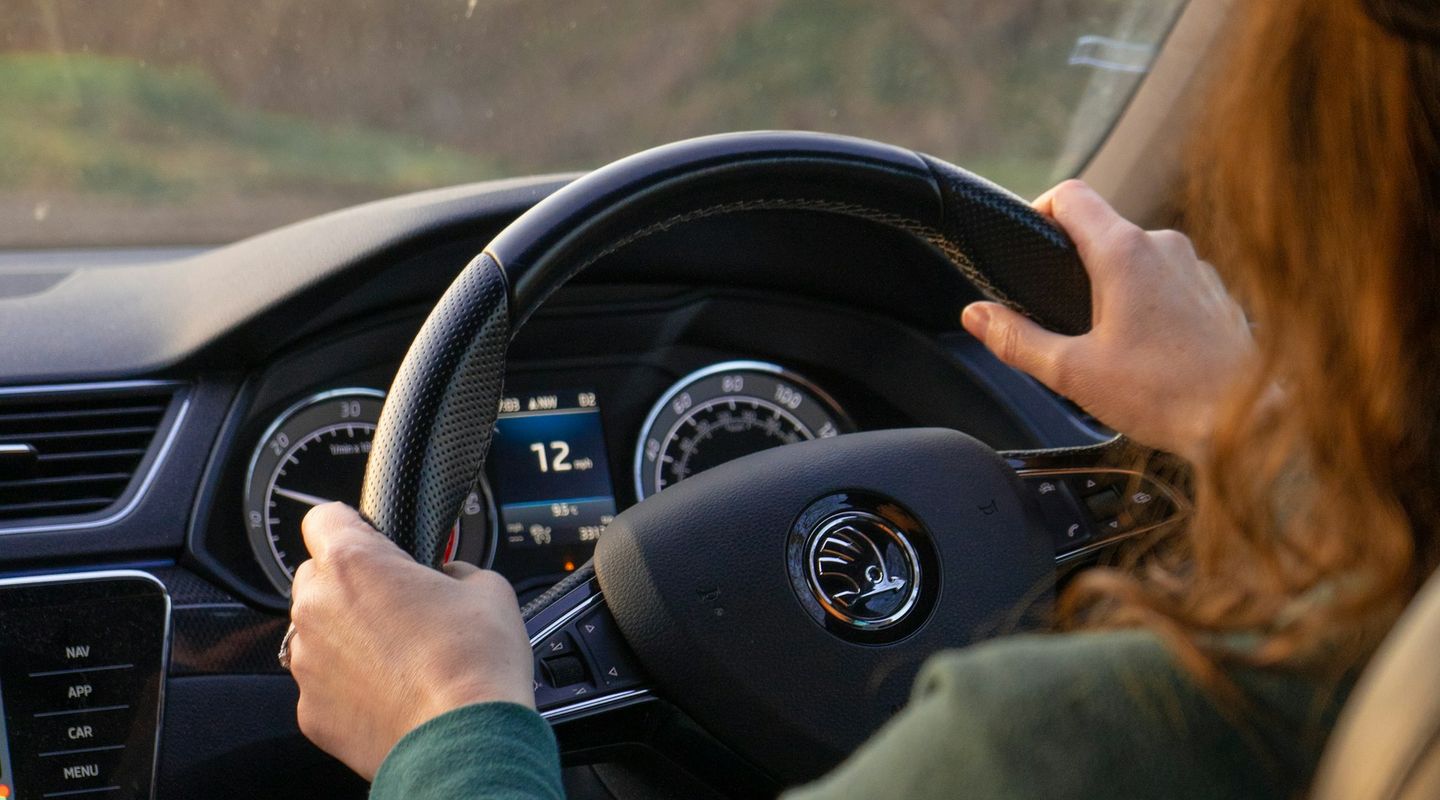
Splashing pedestrians with puddles: UK driving law explained
Yes - splashing a pedestrian by driving through a puddle is an offence under the Road Traffic Act 1988. It falls under "driving without reasonable consideration for other persons using the road" and carries a fixed penalty of £100 and three points. In the most serious cases it can go to court, with a maximum fine of £5,000.

Earn points and use them to save money in the app. Download today.


Is it illegal to splash a pedestrian?
Yes. Splashing a pedestrian by driving through a puddle is a criminal offence under section 3 of the Road Traffic Act 1988, specifically the "driving without reasonable consideration for other persons using the road or place" provision - more commonly known as inconsiderate driving.
There is no standalone "puddle law." The framework is the same one that covers tailgating, middle lane hogging and other forms of behaviour that falls below the expected standard of a careful driver. What ties these offences together is the failure to show reasonable consideration for people around you on the road.
Staying safe in wet conditions goes beyond pedestrian awareness - our guide to driving in bad weather covers stopping distances in rain, aquaplaning, and what to do in standing water.
Another area where the rules are stricter than many people expect is window tinting, and our guide to UK window tint law explains the legal visibility limits and what happens if your windows fail an MOT check.
What law applies?
Section 3 of the Road Traffic Act 1988 covers careless and inconsiderate driving. Since 2013, police have been able to issue fixed penalty notices for these offences without taking the case to court - making enforcement significantly more straightforward.
"Without reasonable consideration" is defined in terms of what a careful, prudent driver would have done in the same circumstances. A pedestrian standing near a puddle at the kerbside is a foreseeable hazard. Driving past at full speed without slowing is a failure to account for that hazard - and the test is objective: not whether you intended to splash anyone, but whether a reasonable driver would have slowed.
Careless or inconsiderate driving covers more than just puddles - our guide to tailgating laws and fines explains how the same offence applies to following too closely and the penalties it carries.
What are the penalties?
A fixed penalty notice for driving without reasonable consideration carries a £100 fine and three penalty points. Where the behaviour was deliberate - for example, a driver who clearly accelerated towards a puddle to soak someone - the case can be taken to court. The maximum penalty in court is a £5,000 fine and up to nine points.
Three points sit on a licence for four years and must be declared to insurers for five. Our guide to how penalty points affect your car insurance covers the premium impact of endorsements and how long they affect your quoted price.
For some minor motoring offences, fixed penalty alternatives exist - speed awareness courses are the most common example, and our guide explains who qualifies, what the course involves, and whether you have to tell your insurer.
Does it matter if it was an accident?
Yes, intent matters - but less than many drivers expect. The offence is "without reasonable consideration," not "with deliberate intent." A driver who could see a pedestrian standing beside a large puddle and drove past without slowing can be prosecuted even if they had no intention of soaking anyone.
"I did not see them" reduces culpability but does not eliminate it. A reasonable driver would have noticed the puddle, assessed the position of the pedestrian and adjusted speed accordingly. Failing to do so is the failure of consideration the law targets. Where the splash was clearly accidental and genuinely unavoidable, prosecution is unlikely - but the legal basis exists.
Questions about footwear often come up alongside other driving-conduct queries - driving in flip-flops or bare feet - what the law says explains whether it is illegal and when a careless driving standard applies.

When are you most at risk?
The risk is highest in autumn and winter when standing water is widespread and pedestrians are more likely to be walking close to the carriageway. School drop-off and pick-up times, bus stops and urban high streets are particularly high-risk because of the concentration of people at the kerbside.
Flooded gutters, surface water after heavy rain and blocked drains all create the conditions. A relatively small puddle at normal road speed can generate a significant wave of water. Drivers often underestimate this because they are insulated inside the car. Reducing speed meaningfully before standing water near pedestrians is the simplest way to stay on the right side of the law.
Eating while driving falls under the same driving conduct rules as splashing pedestrians - the law on eating and drinking while driving covers what careless driving means in this context and how police assess whether the standard of driving fell below what is expected.
What about cyclists and other road users?
The same "reasonable consideration" principle applies to cyclists, motorcyclists and other vulnerable road users. Driving through a puddle that drenches a cyclist is covered by the same offence framework.
Cyclists typically ride at the edge of the carriageway and are fully exposed to spray from passing vehicles. Highway Code Rule 163 requires drivers to give cyclists at least 1.5 metres when overtaking - passing close through a puddle at speed fails both that standard and the reasonable consideration test. Slowing before standing water near cyclists applies the same logic as near pedestrians: reduce speed early, and give as much lateral clearance as the road allows.
Hitting a parked car creates specific legal obligations that go beyond the standard accident reporting rules - what to do if you hit a parked car in the UK covers the legal requirements, what information to leave, and whether you need to report the incident to the police.
Any at-fault incident involving another road user can result in a claim - our guide to car insurance excess explains the difference between compulsory and voluntary excess and how both affect what you pay after a claim.
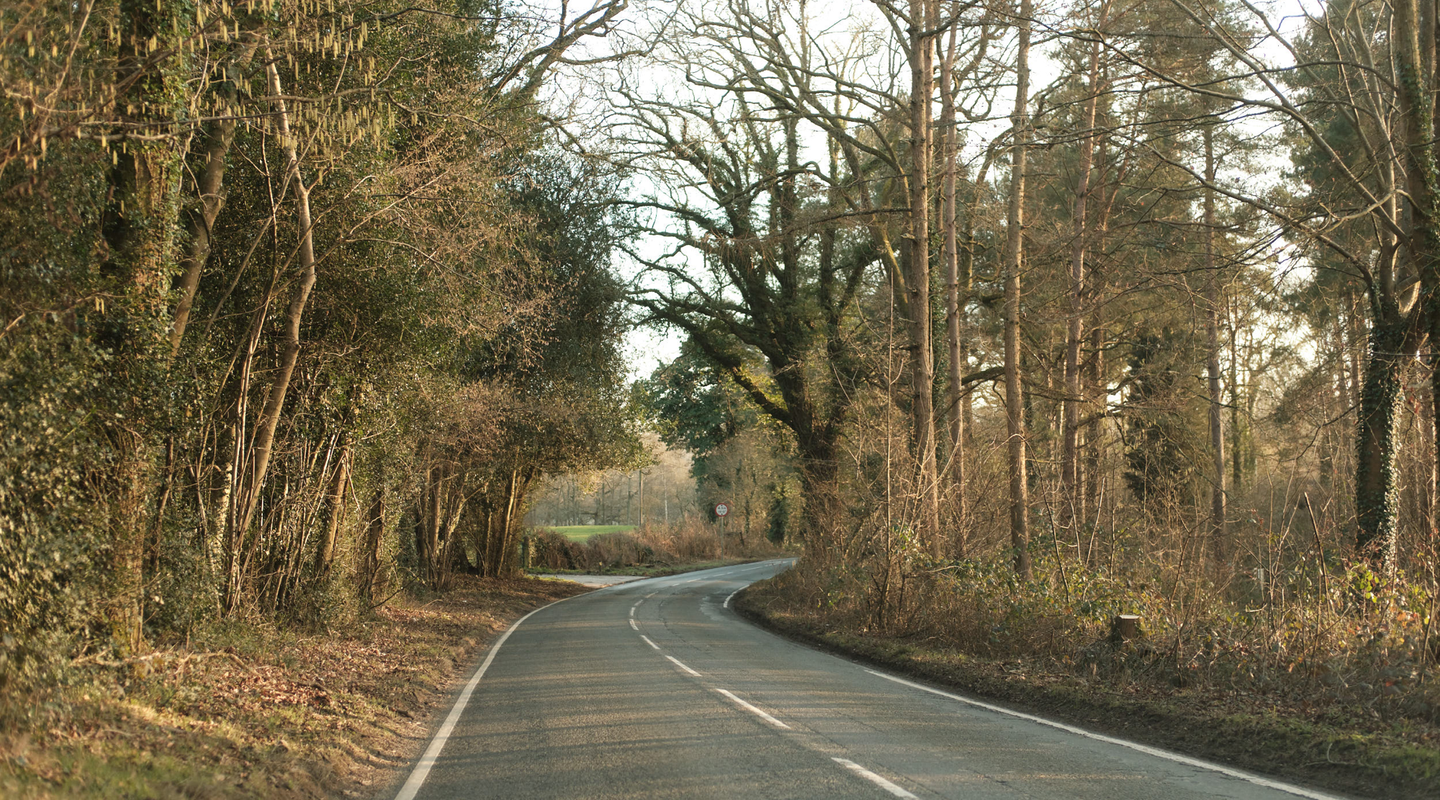
Driving in wet weather
If you borrow a car for a winter trip or regularly drive in poor weather, temporary car insurance gives you comprehensive cover from one hour. Any claim stays within the short-term policy and the car owner's no claims discount remains fully intact. Knowing the rules around inconsiderate driving is the other half of staying protected on wet roads.
Frequently asked questions
Is it illegal to splash a pedestrian with a puddle in the UK?
Yes. It is an offence under section 3 of the Road Traffic Act 1988 - specifically driving without reasonable consideration for other persons using the road. Since 2013, police can issue a fixed penalty notice for the offence without going to court. The penalty is £100 and three points; in the most serious deliberate cases it can go to court with a maximum fine of £5,000.
What is the fine for splashing a pedestrian in the UK?
A fixed penalty notice carries £100 and three penalty points. Where the behaviour was deliberate - such as a driver who accelerated towards a puddle to drench someone - the case can be taken to court, where the maximum fine is £5,000 and up to nine penalty points can be applied.
What if I splashed someone by accident?
Intent matters but does not decide the outcome on its own. The offence is driving without reasonable consideration - meaning a reasonable driver in your position would have slowed or taken action to avoid the splash. If you could see the pedestrian and the puddle and did not adjust your speed, a prosecution is possible even if you had no intention of soaking anyone.
Can I be fined for splashing a cyclist with a puddle?
Yes - the same law applies. The reasonable consideration standard covers cyclists and other vulnerable road users as well as pedestrians. Highway Code Rule 163 also requires drivers to give cyclists at least 1.5 metres when passing. Driving through a puddle close to a cyclist at speed fails both standards.
What law makes puddle-splashing illegal in the UK?
Section 3 of the Road Traffic Act 1988, which makes it an offence to drive without due care and attention or without reasonable consideration for other persons using the road. There is no specific puddle law - the offence sits within the same careless and inconsiderate driving framework that covers tailgating and middle lane hogging.
Temporary insurance quote
Get a price in under 60 seconds!