
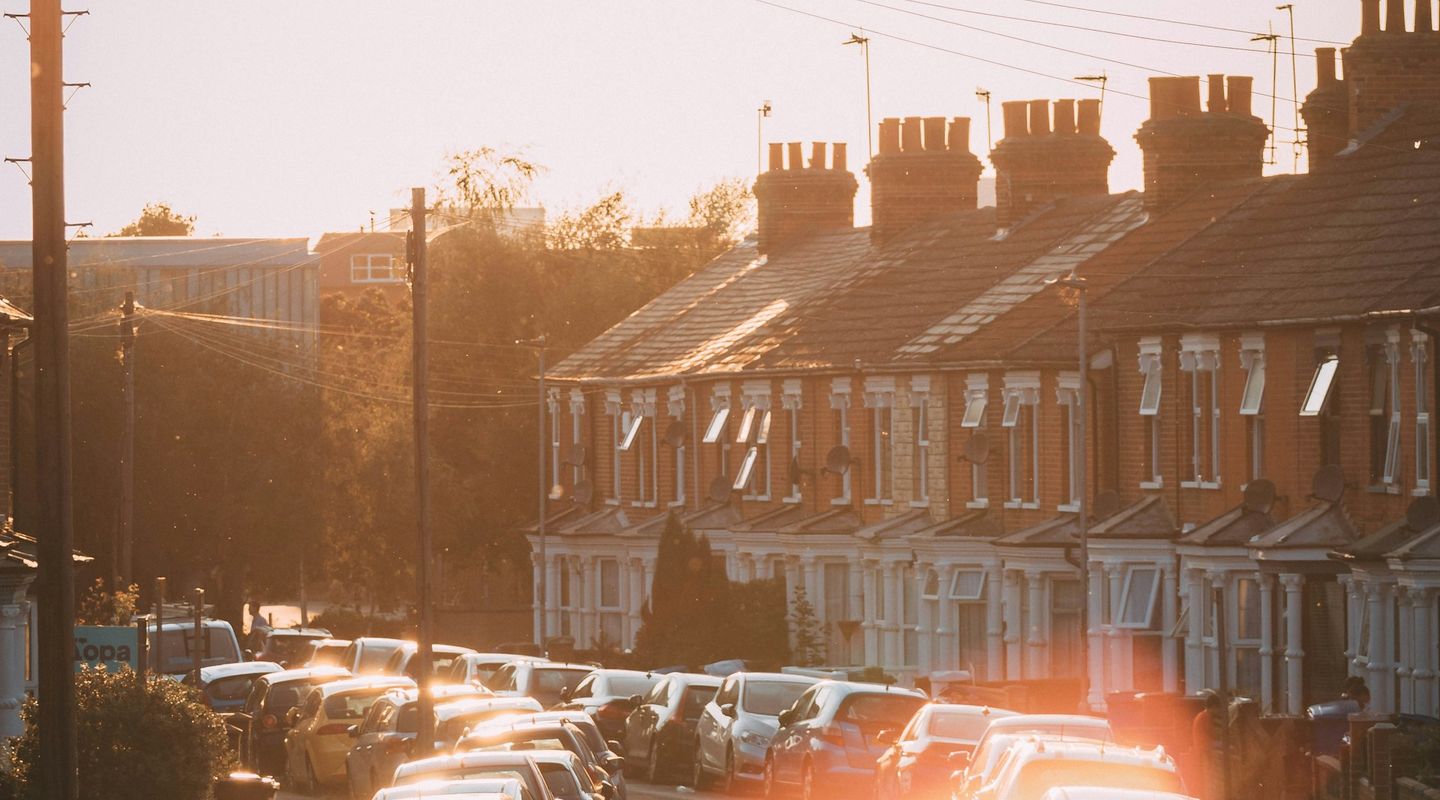
Parking rules in the UK: what you can and cannot do
Most parking rules come down to reading the lines and the signs. Yellow lines restrict waiting, the pavement is increasingly off limits, and a council penalty is a different thing entirely from a private parking ticket. Knowing which is which is what stops a fine becoming an expensive mistake.

Earn points and use them to save money in the app. Download today.


What do single yellow lines mean?
A single yellow line means waiting is restricted at the times shown on a nearby sign or kerb plate. Outside those times, you can usually park there. The line alone tells you there is a restriction; the sign tells you when it applies.
Restricted hours vary from street to street, so you must read the plate. In some areas the restriction is only during the day; in others it covers evenings too. If there is no time plate visible, treat the restriction with caution and look for the controlling sign.
Parking is just one area drivers get wrong, and other driving laws you might not know covers the rest.
Restrictions get stricter still in town centres - our guide to pedestrian zones explains when and where driving is banned entirely.
What do double yellow lines mean?
Double yellow lines mean no waiting at any time. Unlike single yellows, you do not need to check a sign for the hours, because the restriction is continuous.
There are limited exceptions. Loading and unloading is sometimes permitted unless kerb blips also indicate a loading ban, and Blue Badge holders have certain concessions. But as a general rule, double yellows mean do not park here, day or night.
Many parking rules rely on signs and lines, and our guide to UK road signs explains them.
For the full picture on waiting restrictions, our dedicated guide to double yellow lines covers the loading exceptions in more detail.
Can you park on a single yellow line?
Yes, outside the restricted hours shown on the sign. If the plate says the restriction applies Monday to Saturday, 8am to 6pm, then parking on a Sunday or late evening is usually fine, unless other restrictions such as a clearway apply.
Always read the sign rather than assuming. Loading restrictions, residents' bays and clearways can overlay a single yellow line, and parking enforcement officers issue penalties based on the controlling signs, not on the colour of the line alone.
Private car parks operate under a different enforcement regime from the highway - our guide to car park rules covers ANPR ticketing, Parking Charge Notices, and when a private fine is legally enforceable.
Can you park on the pavement?
It depends on where you are, and the rules are tightening. Pavement parking is banned across London and Scotland now has a national ban that councils enforce. In the rest of England there is no blanket ban, but you can be penalised for causing an obstruction, and the government has consulted on wider restrictions.
Heavy goods vehicles are prohibited from parking on the pavement anywhere. Because the picture varies and is changing, check local signage. Parking that blocks a pavement for wheelchairs or pushchairs is exactly what the newer rules target.
Yellow box junctions use similar markings but follow entirely different rules - our guide to yellow box junction rules explains when you can and cannot enter a box and how camera enforcement works.
Pedestrian-related driving laws extend beyond the pavement - our guide to the law on splashing pedestrians explains when driving through a puddle near a pedestrian crosses into a criminal offence.
Can someone park outside your driveway?
Frustratingly, often yes. You do not own the road outside your home, and there is no automatic right to the space in front of it. A car parked on the public road outside your driveway, without blocking the dropped kerb, is generally not committing a criminal offence.
What is not allowed is parking across a dropped kerb so as to block access, including blocking you in or out of your own drive. Councils can issue penalties for parking across a dropped kerb, so that is the line that matters.
If you are parking a borrowed car in an unfamiliar area, temporary car insurance ensures you are covered on that vehicle in your own name, not just relying on the owner's policy.
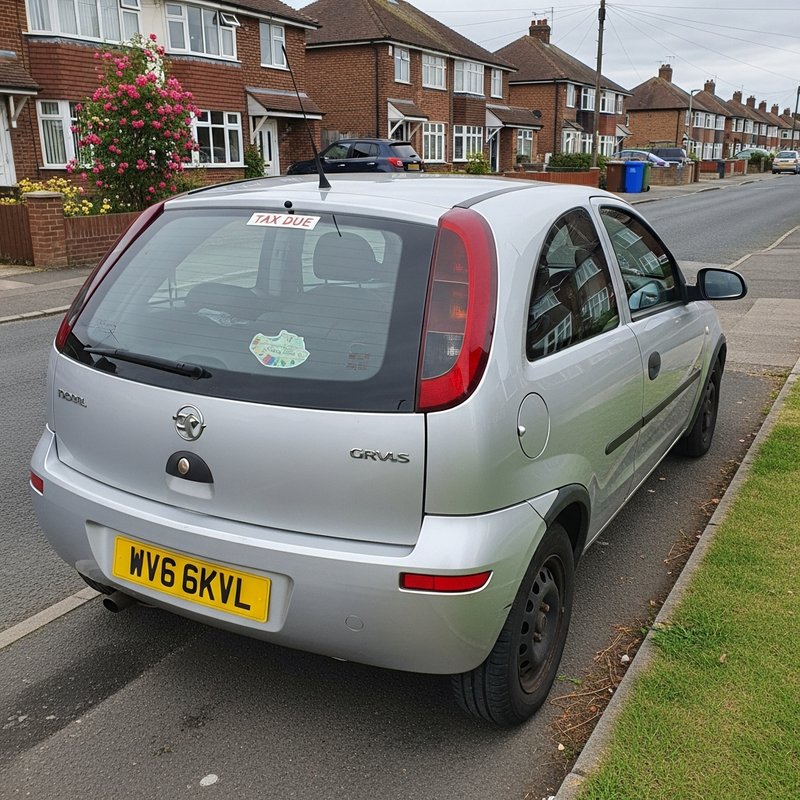
What are the rules for parking on a residential street?
On a public residential road without restrictions, anyone may park, and there is no reserved right to park outside your own house. Permit schemes change this in controlled parking zones, where you need a valid permit during the controlled hours.
You must still park legally: not across a dropped kerb, not within the zig-zag lines or markings near a junction or crossing, and not so as to cause an obstruction. Beyond that, spaces on an unrestricted street are first come, first served.
Bus lanes carry their own restrictions distinct from parking rules - when you can and cannot drive in a bus lane is worth checking before you get an unexpected fine.
What is a Parking Charge Notice vs a Penalty Charge Notice?
The two sound almost identical but are very different. A Penalty Charge Notice is issued by a council for breaking on-street parking rules, and it is backed by law. A Parking Charge Notice is issued by a private company, for example in a supermarket or retail car park, and is a claim for breach of contract, not a statutory fine.
The difference affects how you challenge it and what happens if you do not pay. A council PCN follows a statutory appeals process; a private charge is pursued as a civil debt. Read which type you have received before deciding how to respond.
A Penalty Charge Notice and a collision are two very different problems - but both can arise from the same parking incident - our guide to what to do after hitting a parked car covers your legal obligations, how to handle the situation without a witness, and when to involve your insurer.
Understanding the signage is the first step to avoiding one, and our guide to parking signs explains what each colour and symbol means.
How long can you park in one spot?
On an unrestricted public road there is generally no time limit, provided the vehicle is taxed, insured and not causing an obstruction. A vehicle left for a very long time can be reported as abandoned, which councils can act on.
In controlled zones, signs set maximum stay times and any return restrictions. Car parks set their own limits through the displayed terms. Always check for a maximum stay sign before leaving the car for an extended period.
Motorways operate under entirely different rules where stopping is prohibited except in an emergency - our guide to the UK's biggest motorways covers the main routes and their key characteristics.
Rules like these vary significantly across Europe - our guide to driving abroad from the UK covers what changes on the other side of the Channel, including parking, speed limits, and what to carry.
Can you park facing the wrong way at night?
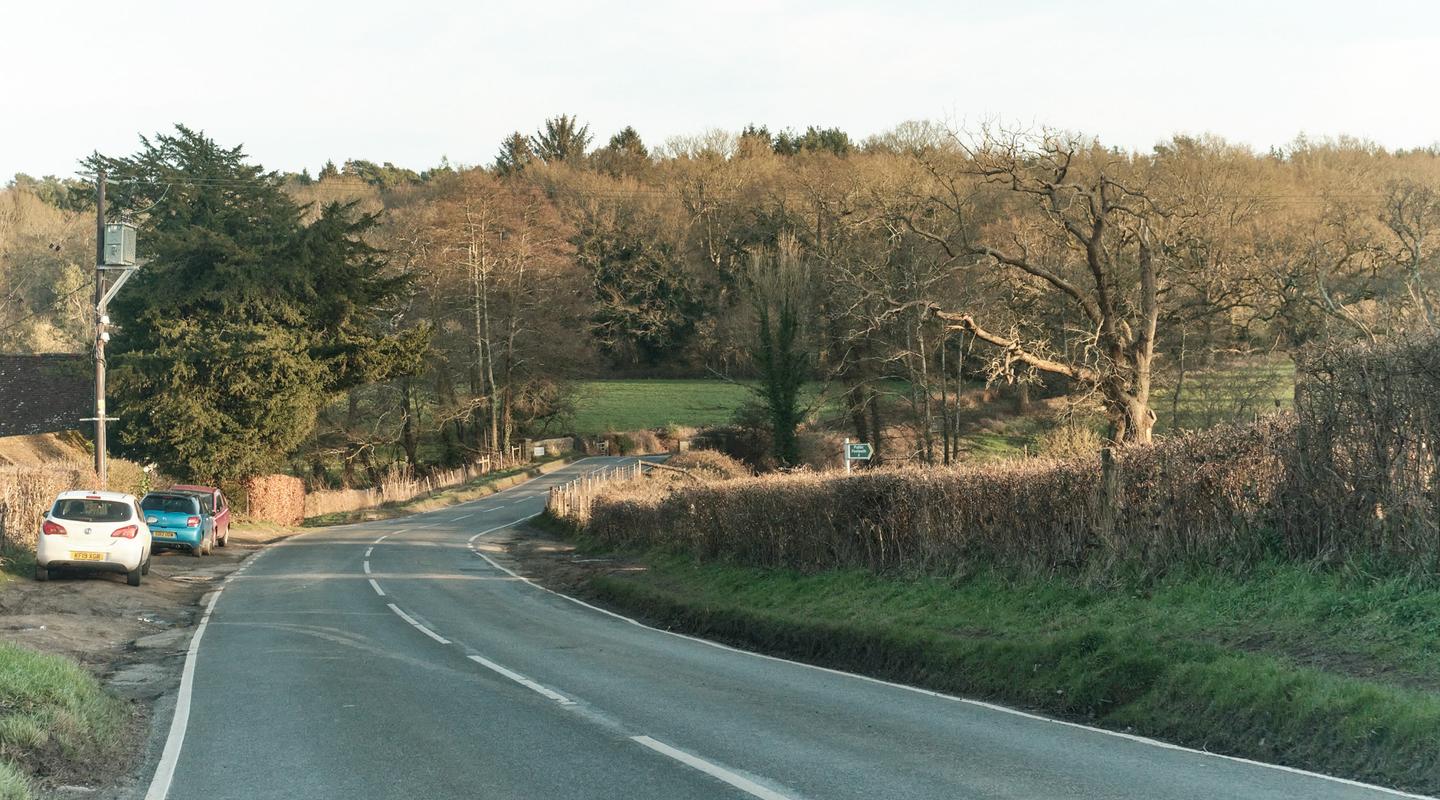
No. The Highway Code says you must not park on a road at night facing against the direction of traffic, unless you are in a marked parking bay. The reason is that your rear reflectors face the wrong way and do not show up to approaching headlights.
During the day this rule does not apply in the same way, but at night a car facing the wrong way without working reflectors visible to traffic can attract a penalty as well as being a safety risk.
Frequently asked questions
When can you park on a single yellow line?
Outside the restricted hours shown on the nearby sign or kerb plate. The line means there is a restriction, but the sign tells you when it applies. Always read the plate, as loading bans, clearways and residents' bays can overlay a single yellow line.
Are double yellow lines always a full no-parking zone?
Effectively yes: double yellows mean no waiting at any time, with no need to check hours. Limited exceptions exist for loading and for Blue Badge holders, but as a general rule you must not park on double yellow lines, day or night.
Can someone legally block your driveway?
Parking on the public road outside your drive, without blocking the dropped kerb, is generally not an offence, as you do not own that space. Parking across a dropped kerb to block access is different, and councils can issue penalties for it.
What is the difference between a PCN and a private parking ticket?
A Penalty Charge Notice is issued by a council for breaking on-street rules and is backed by law, with a statutory appeals process. A private Parking Charge Notice is issued by a company for breach of contract and is pursued as a civil debt, not a fine.
Is it illegal to park facing the wrong way on a road at night?
Yes. The Highway Code prohibits parking at night facing against the flow of traffic, unless you are in a marked bay, because your reflectors do not show up to approaching headlights. It can attract a penalty as well as being a safety risk.
Temporary insurance quote
Get a price in under 60 seconds!