
Pre-MOT checklist: how to prepare your car
Most MOT failures are for common, easily-checked items. Going through a short checklist before your car goes in takes 10 to 15 minutes and can prevent a failure - and a retest fee - for something you could have spotted and fixed yourself.

Earn points and use them to save money in the app. Download today.


Why do a pre-MOT check?
The DVSA publishes data on the most common MOT failure reasons each year, and the same items appear repeatedly at the top - tyres, lights, and wipers. Many of these are quick and inexpensive to fix before the test. A failure means another test fee and, depending on the garage, a separate retest booking. Fifteen minutes and a few phone calls can save both.
Part of planning around your MOT is knowing how long to allow at the garage - our guide to how long an MOT takes explains the typical duration and what can extend it, from advisory checks to re-tests.
After a pass the result is recorded on a certificate you should keep - our guide to the MOT certificate explains how to read it, how long it is valid, and how to access your full MOT history without the paper copy.
Tyres and tread depth
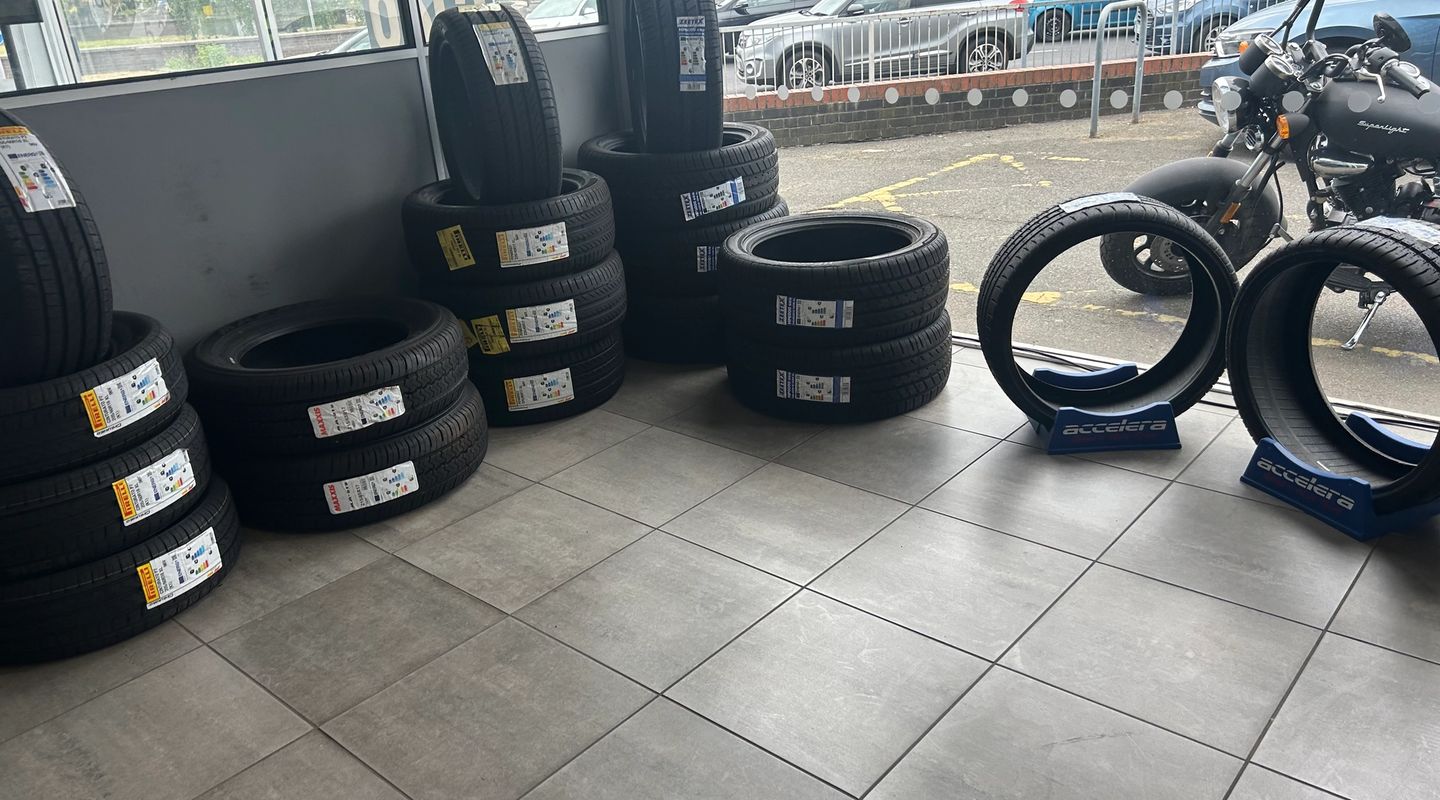
The minimum legal tread depth for car tyres is 1.6mm across the central three-quarters of the tread and around the full circumference. MOT testers measure this, and a tyre below the limit is a major defect - an automatic failure. Check each tyre using a tread depth gauge (available from any car accessory shop) or use the 20p test: insert a 20p coin into the tread groove, and if the outer band of the coin is visible, the tread is likely below 1.6mm.
Also check for bulges, cuts, and damage on the sidewalls. Tyres on the same axle should be the same size and type.
Knowing what counts as a major defect versus an advisory helps you prioritise which items to address - a tyre at 1.7mm is an advisory this test, but a failure the next.
Tyre pressure rises in hot weather and is worth checking before any long summer journey - our guide to driving in hot weather in the UK covers tyre pressure, engine cooling and sun glare issues specific to driving in high temperatures.
Lights and indicators
Walk around the car and check every light is working: headlights (dipped and main beam), front and rear fog lights, brake lights, reverse lights, hazard lights, and all indicators. Brake lights can be checked by reversing slowly towards a reflective surface or asking someone to stand behind the car while you press the pedal. Number plate lights are also tested and are frequently missed.
Replacing a bulb yourself takes a few minutes for most modern cars and costs a few pounds. Have it done before the test, not on the day.
Even a nearly-new car benefits from a quick pre-test check before its first MOT - our guide to the first MOT on a new car explains what to expect and what commonly fails even on newer vehicles.
Windscreen and wipers
Chips or cracks in the driver's critical eyesight zone - a 290mm wide area centred on the steering wheel in front of the driver - are a failure if they are larger than 10mm. Outside this zone, damage of 40mm or more is a failure. If you have a chip, consider getting it repaired before the test. Many repairers can fix chips at no cost if you claim through your insurance.
Wiper blades are checked for condition and effectiveness. If they smear, skip, or leave streaks, replace them before the test. Rear wipers are not tested on all vehicles, but if one is fitted it must work.
Knowing what testers actually inspect helps you understand why something gets flagged - our guide to what happens at an MOT walks through the full inspection sequence so you know what the tester is doing at each stage.
Excessive window tint is one of the checks carried out at an MOT and can result in a failure - our guide to UK car window tint law covers the legal VLT percentages and what gets flagged during a vehicle inspection.
Brakes
You cannot inspect your brake pads to a precise measurement without removing the wheels, but you can listen and feel for warning signs: grinding or squealing when braking, the car pulling to one side under braking, or the pedal feeling soft or spongy. Any of these suggests a problem worth addressing before the test. Check that the handbrake holds the car on a slope.
Headlights are one of the first items checked at an MOT - so a failed bulb before the test is worth fixing - the law on driving with a broken headlight explains the vehicle defect offence, the fine, and whether you can drive to a garage to have it repaired.
Warning lights
Any warning light that relates to a safety or emissions system and stays on after the engine starts will be noted by the tester. An engine management light (MIL), ABS warning light, or airbag warning light will cause a failure. Before the test, check that all warning lights that illuminate on startup extinguish within a few seconds as normal. If any stay on, get the fault diagnosed and cleared first.
These checks matter more for some brands than others - MOT failure rates by car make breaks down pass rates across 24 major brands using 57 million DVSA test records, showing a 15-point gap between the best and worst performers.
Number plates and mirrors
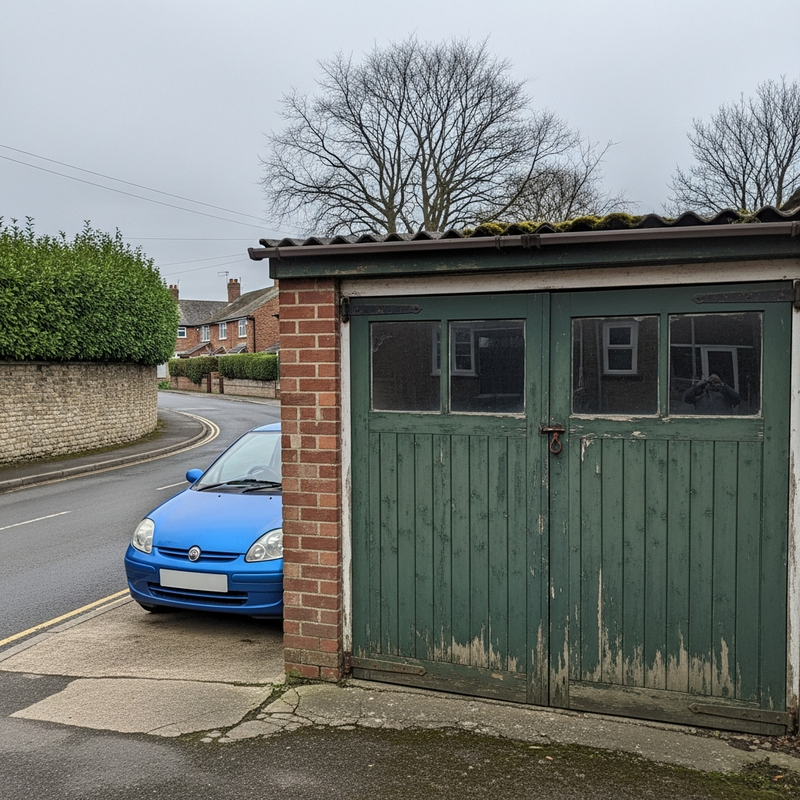
Number plates must be secure, clearly legible, and in the correct format - white at the front, yellow at the rear, with standard letter and number sizing. Missing characters, stick-on characters, or an obscured plate are common minor failure points. Both door mirrors (or at least one wing mirror combined with the interior mirror) must be in good condition.
Horn and seatbelts
Check the horn works by pressing it briefly in a safe location. Check each seatbelt extends, retracts cleanly, and clicks securely into its buckle. Belts that do not retract, or buckles that do not hold, are a failure.
Fluid levels and under-bonnet basics
Fluid levels are not formally part of the MOT test, but a car that is leaking oil heavily or producing visible exhaust smoke may attract closer examination of related components. More practically, checking your fluids before the test takes a couple of minutes and is a sign of a car that has been looked after.
Check the engine oil level using the dipstick when the engine is cold, before the car has been run. The reading should sit between the minimum and maximum marks on the dipstick. Low oil is not an MOT failure but it suggests the car is overdue some attention. Check the coolant level in the header tank - a translucent reservoir near the top of the engine bay with min and max marks on the side. Top up with the correct coolant type if it is below the minimum.
Screen wash is worth filling before the test because the examiner checks that the washers and wipers work together. An empty screen wash reservoir means no fluid to wash with and a potential issue with the wipers-and-washers assessment. It takes thirty seconds to top up and removes a small variable from the test outcome.
If your car needs significant work after the test and cannot be driven while awaiting repair, borrowing another vehicle is a practical short-term option. Short-term car insurance on a borrowed car can be arranged in your own name for the duration of the repair, without involving the vehicle owner's annual policy.
If the car does fail
If your car fails and needs to be off the road for repairs, our guide to transport options when your car is in for repairs explains how to stay mobile, including temporary car insurance if you need to borrow another car.
Frequently asked questions
Do I need to bring any documents to an MOT?
No documents are legally required for an MOT test. You do not need to bring your V5C, driving licence, or insurance certificate. However, it is good practice to have the previous MOT certificate and service history available, particularly when selling.
Will oil level be checked at an MOT?
Fluid levels including engine oil are not formally part of the MOT test. However, the tester will note severely leaking fluids. It is good practice to top up oil, coolant, and screen wash before the test.
Do I need a spare tyre to pass an MOT?
No. A spare tyre is not required to pass an MOT and is not inspected as part of the test. However, tyres actually fitted to the vehicle are checked, including a space-saver spare if it is being used as a road wheel.
What are the most common MOT failure reasons?
According to DVSA data, the most common failures are lighting and signalling faults, suspension issues, and tyres below the legal tread depth. Windscreen damage and worn wiper blades are also regularly cited.
Is it worth getting a pre-MOT inspection at a different garage first?
It can be, particularly for older cars. A pre-inspection can flag issues in advance, giving you time to compare repair costs and avoid paying a failed test fee and retest fee at the same station.
Temporary insurance quote
Get a price in under 60 seconds!