
How long does an MOT take?
For most standard passenger cars, an MOT takes between 45 minutes and one hour from when the vehicle goes onto the ramp. However, the total time you spend without your car can be longer depending on what the tester finds, how busy the station is, and whether any repairs are needed. Here is what to expect.

Earn points and use them to save money in the app. Download today.


How long does a standard MOT take?
For a standard passenger car with no significant defects, most MOT tests take between 45 minutes and one hour. The tester works through a defined DVSA inspection schedule covering lights, brakes, steering, suspension, tyres, seatbelts, windscreen, emissions, and a range of other checks. Each section takes a few minutes; the total adds up to roughly 45 to 60 minutes for a car in average condition.
The test duration is set by the inspection requirements - there is no way to make the actual inspection faster without missing checks.
First MOTs are typically quicker than tests on older vehicles simply because there is less likely to be a fail - when new cars need their first MOT and what to expect covers the three-year exemption period, common first-test failures, and what the initial certificate covers.
What can make an MOT take longer?
Several factors can extend the time beyond the standard window:
Defects that need closer inspection. If the tester identifies something borderline - a tyre that looks near the limit, corrosion that needs careful assessment, or a suspension component that requires more time to evaluate - they will spend longer on that section before making a classification.
Older or more complex vehicles. Cars with a longer service history tend to have more items approaching their limits and more advisory notes to record. Modified vehicles may take longer if the tester needs to verify components against the original specification.
Emissions testing warm-up. For petrol and diesel cars, the emissions test requires the engine to be at normal operating temperature. If you arrive cold, there may be a short wait for the engine to warm up before this part of the test can run.
High demand at the station. If the slot before yours runs over, your test starts late. March and September are the busiest months at most stations because large numbers of three-year-old registrations from the plate change dates all come up for testing at the same time.
Post-failure repair discussion. If the car fails and the station is explaining the defects and quoting for repairs, that adds time on top of the inspection itself.
The test duration reflects the number of checks carried out - understanding what those checks are makes the wait less stressful - what happens at an MOT test covers all the main inspection areas, how the tester records results, and what pass, advisory, and fail mean.
How long does an MOT retest take?
If your car fails and you return for a retest, the duration depends on whether the retest is partial or full.
A partial retest at the same station, covering only the items that caused the failure, typically takes 20 to 30 minutes. This applies when the car is returned within the station's retest window - usually ten working days from the test date.
If repairs were done at a different garage and you are using a new station, or if you return outside the permitted window, a full retest is required. That takes the same 45 to 60 minutes as the original test.
At the end of a successful test, you receive a certificate that is now issued digitally as well as in paper form - the MOT certificate - what it shows and how to get a copy explains how to access the digital record, what to do if the paper copy is lost, and how long the certificate is valid.
Can you wait at the test centre?
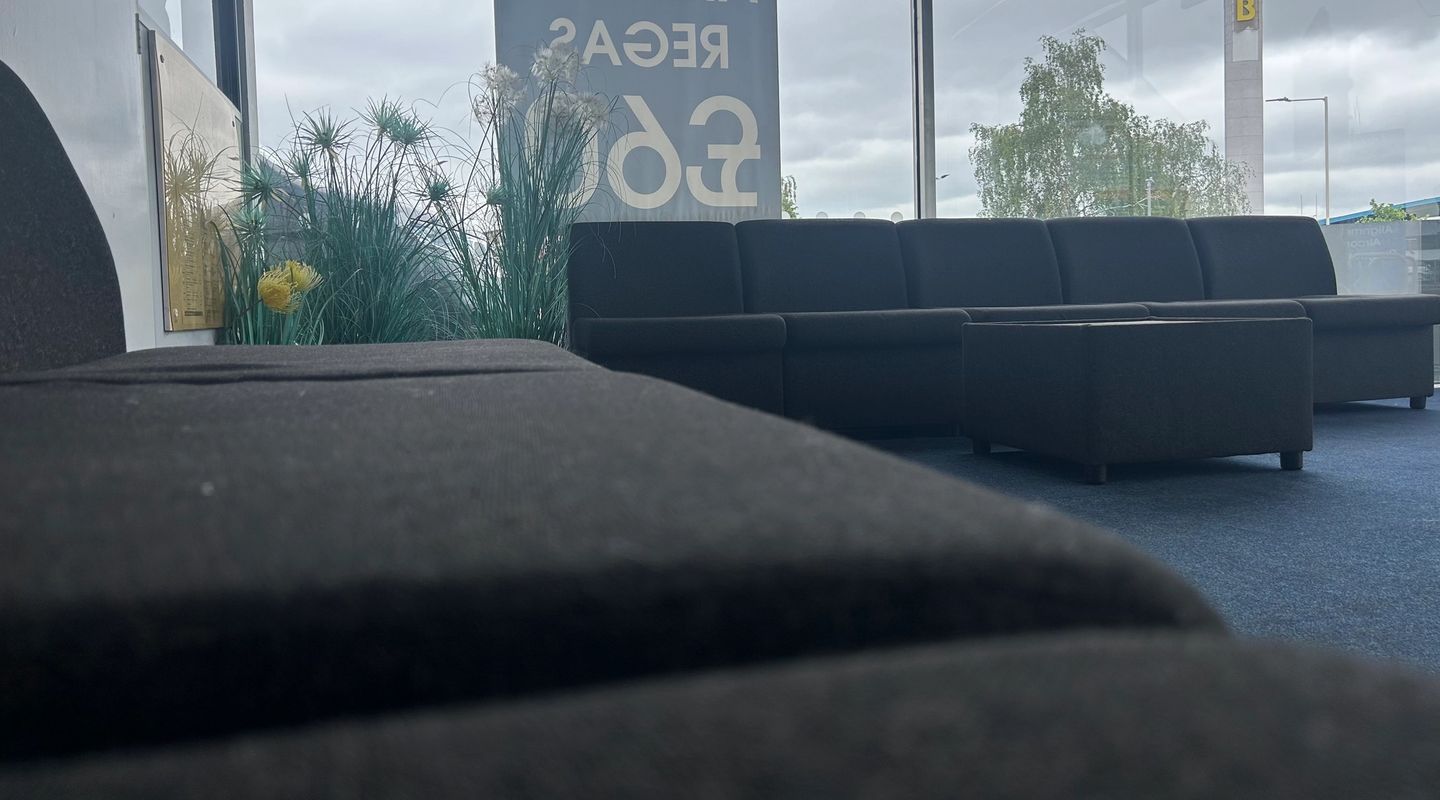
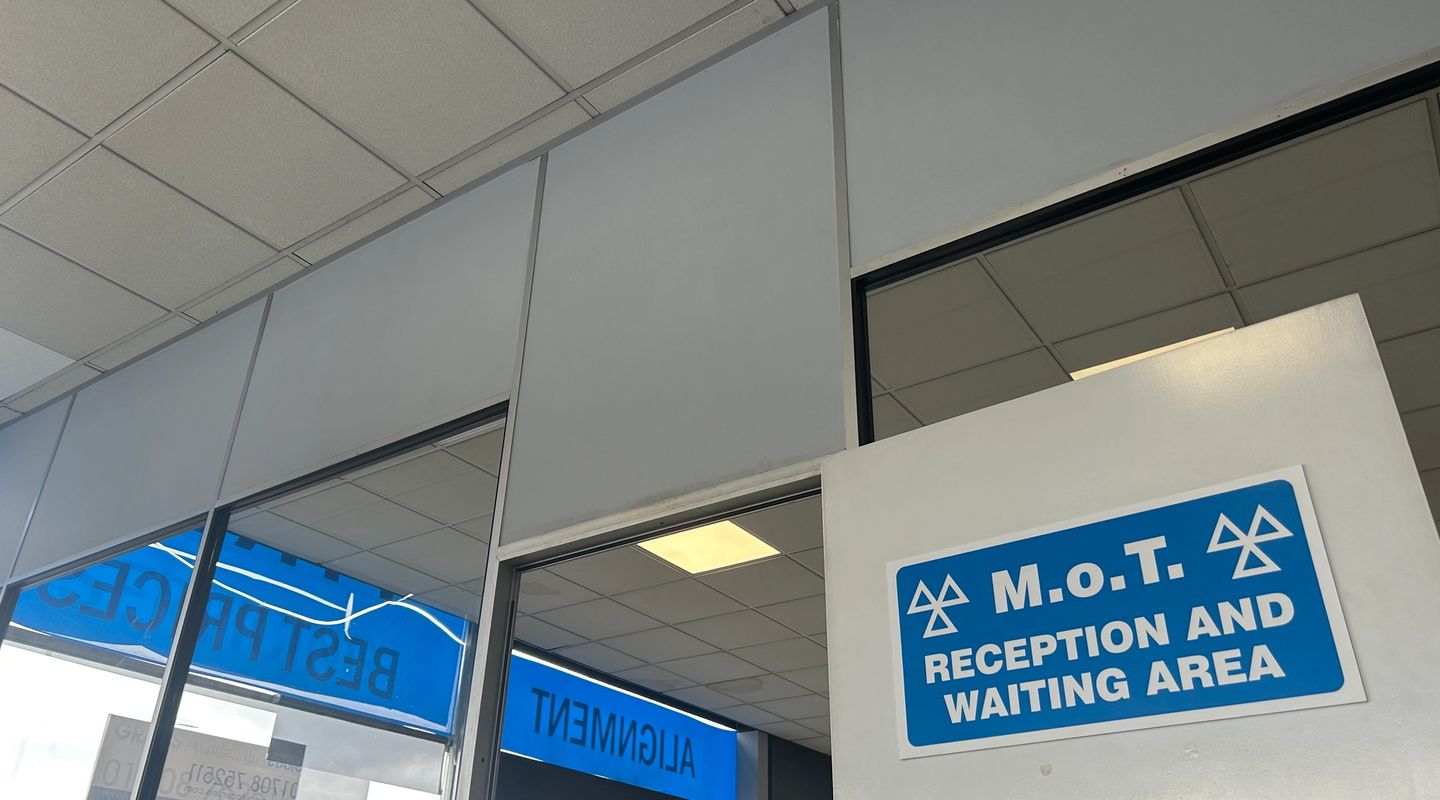
Yes. Most authorised test stations have a customer waiting area. For a straightforward test on a standard car, waiting is practical. Many drivers prefer to drop the car off and pick it up later, particularly if the station is close to work or home.
If you leave and the tester finds defects, the station should contact you to discuss the outcome before carrying out any additional repair work. You are not obligated to have repairs done at the test station.
A quick home check before the test can reduce the chance of a fail and the cost of a second visit - the pre-MOT checklist for home preparation covers the main areas a tester inspects and what you can realistically check yourself without specialist equipment.
What if the car needs to stay in for repairs?
If the car fails and needs work that cannot be completed on the day, it may stay at the garage overnight or for several days while parts are sourced and repairs completed. In that case, you need alternative transport for the period.
The practical options are: borrowing a car from someone you know, short-term vehicle hire, or public transport. If you borrow a car, you need to be properly covered to drive it - temporary car insurance lets you drive another person's vehicle with comprehensive cover from one hour, without affecting their annual policy or no-claims bonus. Our guide on transport options when your car is in for repairs covers all the options in more detail, including what to do if the repair overruns.
What time of day is best to book?
Morning slots tend to run more efficiently. The station is fresh, the queue of overrunning appointments has not built up, and if the car needs same-day repair work there is more of the working day left to get it done. Avoid the last slot of the day if there is any chance the car will need immediate attention - there will not be time to complete repairs before the garage closes.
Booking ahead rather than arriving as a walk-in reduces waiting time, particularly in March and September when test stations are at their busiest.
Once an MOT expires, there is no grace period - the myth of a ten-day window is not supported by the law - the MOT grace period - what is and is not legal explains why there is no grace period for driving on an expired certificate and the one narrow exception.
Does the car need to be warm when it arrives?
For the emissions test to run accurately, the engine should be at or near operating temperature. Driving the car to the test station rather than trailering it means the engine is usually warm enough by the time the test starts. If the car has been sitting unused for several days in cold weather, a short drive before the appointment helps.
If the repair overruns the retest window
Garages routinely underestimate repair times, particularly when parts need to be ordered. If the car is not ready within the free partial retest window, check whether the station will extend it - some will do so as a goodwill gesture, particularly if the delay was on their side. If not, a full retest fee applies at the next visit. It is worth factoring this possibility in when deciding whether to have repairs done at the test station or to take the car elsewhere.
Frequently asked questions
How long does a standard MOT take?
Between 45 minutes and one hour for most standard passenger cars with no significant defects. Older vehicles, those with more items to inspect carefully, or those where defects are found may take longer.
Can I leave the car and come back?
Yes. Most stations have a waiting area, but there is no requirement to stay. If defects are found, the station should contact you before carrying out any additional repair work.
How long does an MOT retest take?
A partial retest covering only the failed items at the same station typically takes 20 to 30 minutes. If a full retest is required - because repairs were done elsewhere or the car returned outside the retest window - expect the same 45 to 60 minutes as the original.
What if my car needs to stay overnight for repairs?
You will need alternative transport while it is in. Borrowing a car from someone you know and arranging temporary insurance is usually the most practical option. Temporary car insurance provides comprehensive cover on a car you do not own from one hour, without affecting the owner's policy.
What time of day should I book an MOT?
Morning slots tend to run more smoothly and leave time for same-day repairs if needed. Avoid the last slot of the day if there is any chance the car will need immediate work. Booking ahead reduces waiting time, particularly in March and September.
Temporary insurance quote
Get a price in under 60 seconds!