
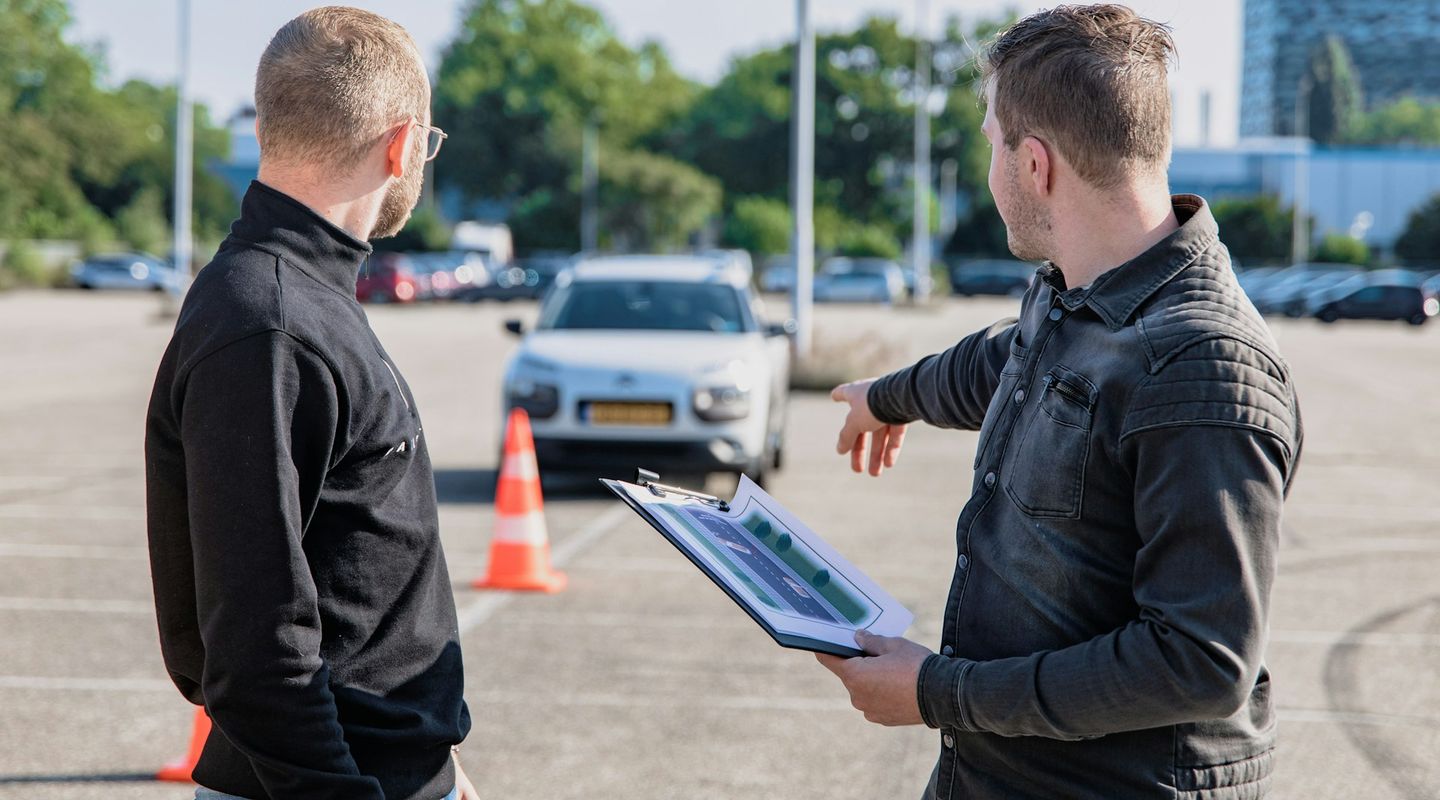
What to bring to your driving test
You need two documents to sit your practical driving test: your UK provisional photocard driving licence and your theory test pass certificate. Missing either means the test cannot go ahead and you lose the fee. Here is everything to have ready.

Earn points and use them to save money in the app. Download today.


What documents do you need?
Your provisional driving licence. This must be the current photocard version. The examiner checks the photograph matches you. If your address has changed since it was issued, update it at the DVLA before the test - the address on the photocard must be current.
Your theory test pass certificate. The DVSA issues this as a paper document when you pass. The examiner checks the certificate number against DVSA records and confirms it is in date. Your theory pass is valid for two years from the pass date - if it has expired, the test cannot go ahead and you will need to sit the theory test again first.
That is the full mandatory document list. Paper counterpart licences were abolished in 2015 and are no longer part of the check.
The test itself follows a set format that all examiners use nationwide - how the driving test works in the UK breaks down each element from the eyesight check to the independent driving section.
What if you forget a document?
If either document is missing, the test is cancelled and the fee is lost. The DVSA does not accept screenshots, digital copies, or printouts from your DVSA online account in place of the original documents. Contact the test centre as early as possible on the day if you realise you have forgotten something - in rare cases they may be able to offer a late rebooking, but this is not guaranteed.
If you have lost your theory test pass certificate, contact the DVSA before your test date to request a replacement. Do not leave this until the day of the test.
If your provisional licence is expired or shows an out-of-date address, apply for an update at the DVLA well before the test - allow at least two weeks for a replacement to arrive. An expired provisional licence cannot be used to sit the practical test.
The emergency stop is one of the exercises the examiner may call during the test - the emergency stop on the driving test explains how the exercise works, what the examiner is looking for, and the most common mistakes.
What to bring if you are using your own car
If you are taking the test in your own car, the examiner checks the vehicle before starting. The car must have a valid MOT, be taxed and insured, have working L plates on the front and rear, no warning lights showing, and a clean windscreen. The examiner also checks that the insurance in place covers you as a learner driver for the test.
Learner driver insurance for the driving test is specifically designed for this situation - it covers the test appointment and any practice beforehand, without affecting the car owner's annual policy or no-claims bonus.
What to wear
There are no dress requirements. Wear what you would normally drive in. Well-fitting footwear makes a practical difference to pedal control - avoid loose sandals, flip-flops, or high heels. If you wear glasses or contact lenses for driving, bring them. The eyesight check at the start requires you to read a number plate at 20 metres, and failing it ends the test immediately.
Knowing how long the test takes helps you plan your day - especially if you are booking time off work - how long the driving test takes from start to finish breaks down the eyesight check, the in-car element, and the debrief so you know exactly what to allow for.
When to arrive
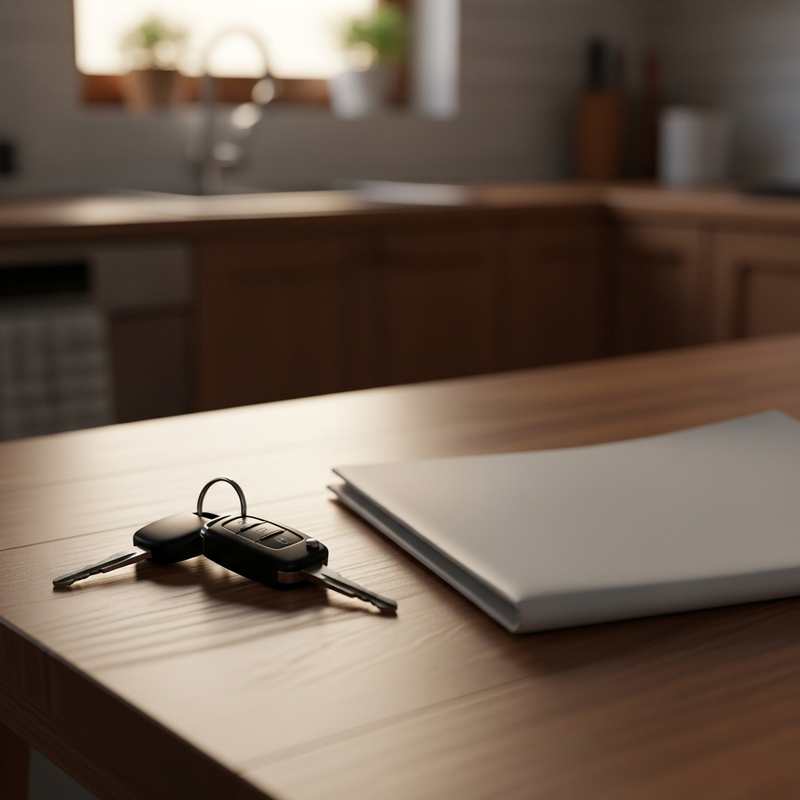
Aim to arrive 10 to 15 minutes before your appointment time. This allows time to find the waiting area, use the facilities, and compose yourself before the examiner calls you through. Arriving late risks losing the slot - the DVSA advises giving at least three clear working days' notice if you need to cancel or rearrange, or you lose the fee.
Test day checklist
Pack the night before rather than looking for documents on the morning of the test. Go through this list:
Mandatory documents
- Provisional photocard driving licence (address must be current)
- Theory test pass certificate (paper original, in date - no screenshots)

If using your own car
- L plates secured to the front and rear
- No dashboard warning lights showing
- Valid MOT certificate (keep it in the glovebox)
- Insurance confirmed to cover you as a learner driver - not just the registered keeper
On your person
- Glasses or contact lenses if you need them for driving
- Suitable, well-fitting footwear
- Booking confirmation on your phone as a backup
The DVSA does not send a reminder on the morning of the test. Checking the list the evening before removes one source of stress from test day.
Do you need to bring anything else?
Your booking confirmation is not a mandatory document, but having the reference number on your phone is useful in case of any query at reception. Some candidates bring a bottle of water and something to read while waiting - the waiting period at larger test centres can be 15 to 20 minutes before the examiner collects you.
If you are supervising a learner and need to wait at the test centre, note that only the candidate enters the test vehicle with the examiner.
For the theory test, the documents required are slightly different - see how to book and prepare for the driving theory test for that checklist.
Frequently asked questions
What documents do I need for the practical driving test?
Your UK provisional photocard driving licence and your theory test pass certificate. Both are required. The test cannot go ahead without them.
What if I lose my theory test certificate?
Contact the DVSA before your test date to request a replacement paper certificate. The test cannot proceed with a screenshot or digital copy - you need the original or an official replacement.
Does the examiner check the car before the test?
If you are using your own car, yes. The examiner checks L plates, MOT, insurance, warning lights, and windscreen condition before starting. A car that fails this check means the test cannot go ahead.
Do I need to bring my booking confirmation?
It is not a formal requirement, but having the booking reference on your phone is useful in case of any query at the test centre.
What footwear should I wear for the driving test?
Whatever you normally drive in. Well-fitting, flat footwear gives the best pedal control. Loose sandals, flip-flops, or high heels are not advisable as they can affect your feel for the pedals.
Temporary insurance quote
Get a price in under 60 seconds!