
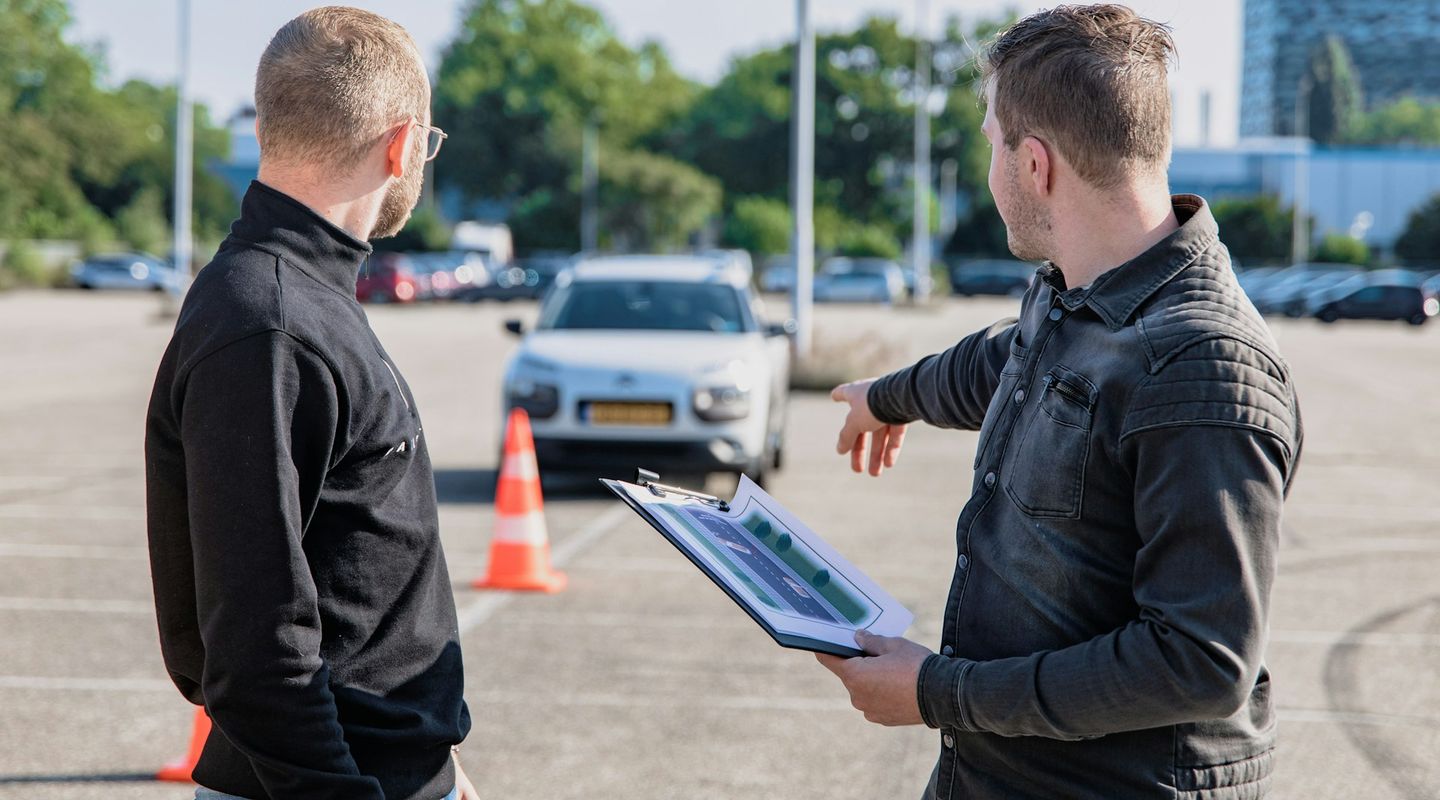
How long is a driving test?
The practical driving test lasts around 40 minutes of actual driving. But the full appointment - including the eyesight check, safety questions, and the examiner's debrief at the end - runs to around 60 to 70 minutes in total. Here is exactly how the time breaks down.

Earn points and use them to save money in the app. Download today.


How long is the practical driving test?
The driving element takes around 38 to 40 minutes for most candidates. During this time you drive on a variety of road types, complete one or two manoeuvres, and spend around 20 minutes on independent driving where you follow sat nav directions or road signs without prompting from the examiner.
The full appointment runs longer. Allow around 60 to 70 minutes at the test centre from arriving to leaving, once the pre-drive checks and the final debrief are included. You do not need to stay after the debrief - you can drive away (if you pass) or make your way home immediately after.
The emergency stop adds a variable element to the test that can affect the overall timing - the emergency stop exercise - how the driving test calls it explains the signal the examiner gives, how to respond, and whether skidding counts against you.
What happens before you start driving?
Before leaving the test centre car park, the examiner carries out two checks. First, an eyesight check - you must read a number plate at 20 metres. Failing the eyesight check ends the test immediately; there is no way to proceed without passing it. If you need glasses or contact lenses for reading, arrive wearing them.
Second, the examiner asks a "tell me" vehicle safety question - a verbal question such as how you would check the oil level. One minor fault is recorded if you answer incorrectly, but this does not end the test. The pre-drive checks take around five minutes in total.
The centre you book matters - UK driving test pass rates by test centre shows pass rates ranging from 33% in Wolverhampton to 67% in Dorchester, with every major centre ranked using DVSA 2024-25 data.
Availability at your preferred test centre affects how far ahead you need to plan - our guide to current driving test waiting times by region maps average waits using DVSA data so you can book with a realistic sense of availability.
How long is the independent driving section?
Around 20 minutes - roughly half the total driving time. You follow either a sat nav (provided by the examiner) or road signs. The examiner is assessing how safely you drive while navigating, not whether you take the correct route. Missing a turning or following sat nav onto a different road to the one planned does not result in a fault - driving unsafely while trying to correct a navigation error does.
Most candidates find the independent section passes quickly because concentration takes over. The examiner says very little during this section, and silence does not indicate a problem.
The independent section is often the part candidates are least prepared for - our full guide to the independent driving section explains sat-nav navigation, sign-following routes, and how examiners assess decision-making throughout.
What manoeuvres are included?
The examiner asks you to complete one manoeuvre: parallel parking, pulling up on the right and reversing, forward bay parking and reversing out, or reverse bay parking. You will not know which one in advance. Manoeuvres take around five minutes and are assessed on accuracy and observation.
An emergency stop may also be included - it appears on around one in three tests. The examiner signals during the drive by raising a hand, and you stop promptly and under control. You cannot know in advance whether your test includes an emergency stop.
What happens at the end?
The examiner drives back to the test centre and delivers the result once parked. They tell you whether you have passed or failed, and if you have failed, they go through the faults recorded and where each occurred. This debrief takes around five to ten minutes and is more useful than it sounds - the specific fault locations and types tell you exactly what to focus on before a reattempt.
If you pass, the examiner explains how to upgrade your provisional licence to a full licence via the DVLA. You can drive away on your pass certificate immediately.
What kind of roads will you drive on?
The test route is not disclosed in advance, but routes are designed to include a range of road types: residential streets, town centre roads, roundabouts, dual carriageways where available, and rural roads depending on the test centre's location. Most routes include at least one stretch where the national speed limit applies, so you need to be comfortable at those speeds before test day.
Routes vary by test centre. Instructors who work regularly from a particular centre usually know the typical routes and will cover the relevant road types in lessons. If you are switching instructors or test centres close to your test date, mention this so your instructor can adjust what you practise.
The examiner follows standard routes. There are no sections designed to catch candidates out - the route is there to give a fair cross-section of real driving situations within the time available.
If you are taking your test in your own car or a family member's car, you will need insurance that covers you for the full duration of the test and the journey home. Driving test insurance is a short-term learner policy designed for this purpose - it runs in your own name so the car owner's annual policy and no-claims discount are not affected.
How many times can you take the driving test?
As many times as needed - there is no maximum. You must wait at least 10 working days between attempts. Many eventual pass holders took the test two or three times. A fail is not unusual, and the examiner's fault report from a failed attempt is the most specific feedback you will get about what to practise before reattempting.
If you are using your own car for the test, our guide to taking your driving test in your own car covers the vehicle requirements the examiner checks before starting.
Arranging the right insurance for test day matters too - learner driver insurance covers the test itself and any practice sessions before it, without affecting a parent's or car owner's annual policy.
Frequently asked questions
How long does the practical driving test take?
The driving section is around 38 to 40 minutes. The full appointment - including the eyesight check, safety questions, and debrief - runs to around 60 to 70 minutes.
How long is the independent driving section?
Around 20 minutes - roughly half of the total driving time. You follow sat nav or road signs. Missing a turning is not a fault; driving unsafely while correcting it is.
Is an emergency stop always part of the test?
No. The emergency stop appears on around one in three tests. You will not know in advance whether your test includes one.
What happens if you fail partway through?
A dangerous fault - where the examiner has to intervene or another road user is put at risk - ends the test immediately. For any other result, the test runs its full course and the examiner delivers the result at the test centre.
How long must you wait between test attempts?
At least 10 working days. There is no maximum number of attempts.
Temporary insurance quote
Get a price in under 60 seconds!