
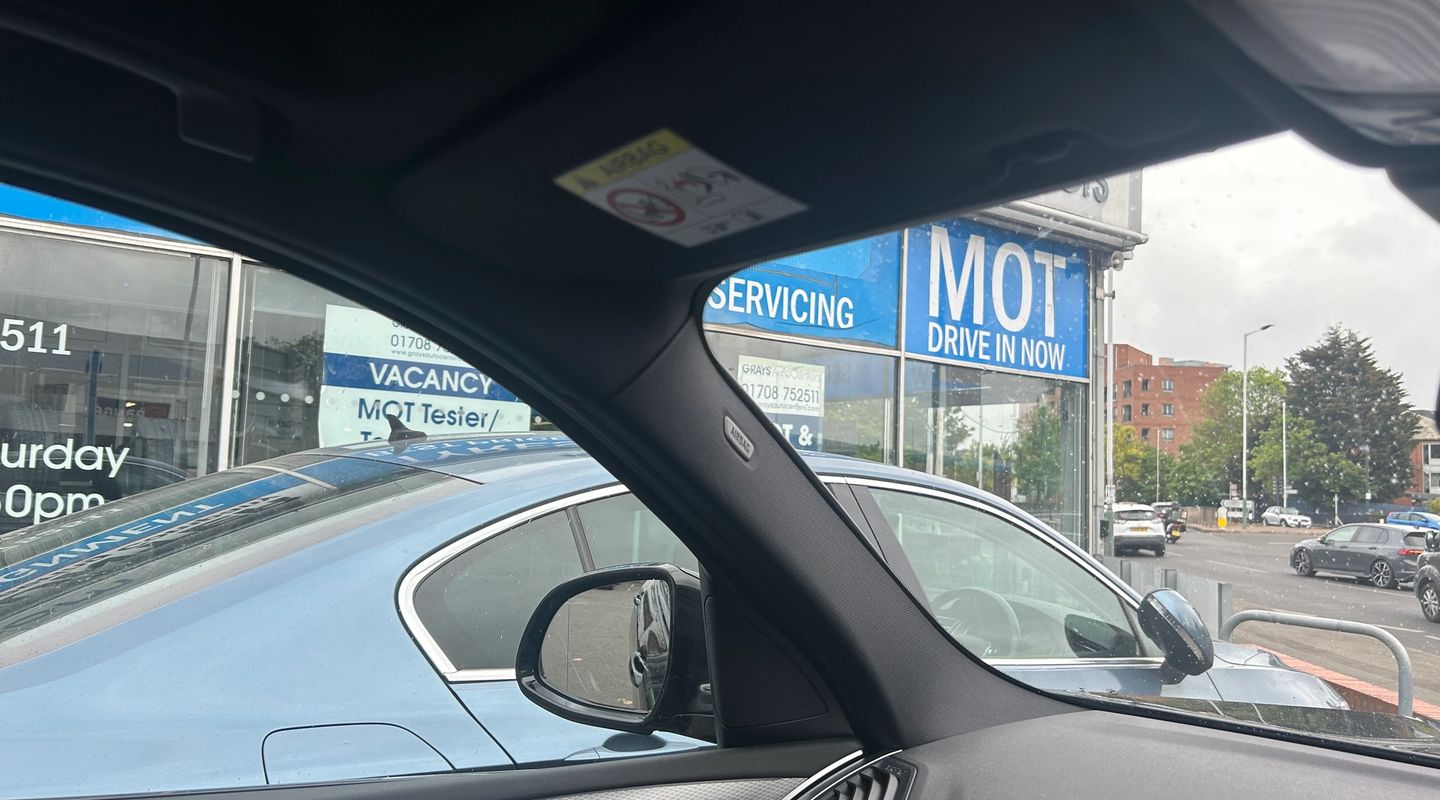
MOT failure - what to do next
Around 40% of cars fail their MOT on the first test at a given station each year, according to DVSA data. A failure is not the end of the road - but your options depend on which category the defects fall into and whether your previous certificate is still valid. Here is what to do from the moment you get the result.

Earn points and use them to save money in the app. Download today.


What happens when a car fails its MOT?
When a car fails, the test station issues a VT30 failure sheet. This document lists every defect found and classifies each one as dangerous or major, along with a description of where on the vehicle it was found and what the problem is. Read it carefully before deciding what to do - the classification of each defect determines what you are and are not allowed to do next.
The failure is also submitted electronically to the DVSA and will appear permanently in the vehicle's MOT history. There is no way to remove it from the record.
New cars go through their first MOT at three years old - after which the annual cycle begins - when a new car needs its first MOT explains the three-year rule, what happens if the car is registered second-hand within those three years, and how to book.
Can you drive home after failing an MOT?
Whether you can drive away depends on two things: the defect category and the status of your previous certificate.
If your previous MOT certificate is still valid and the failure was for major defects only - with no dangerous defects recorded - you may drive the car away and use it normally until the old certificate expires. You should arrange repairs, but you are not legally required to stop driving immediately.
If the previous certificate has already expired, you cannot drive the car on a public road for general use. You may drive it directly and immediately to a place of repair - a specific garage you have arranged - but nowhere else. No detours, no errands, no stopping on the way.
If any defect was classified as dangerous, the car must not be driven at all, regardless of whether the old certificate is valid. You would need to arrange recovery from the test station, or have the dangerous defect repaired before the vehicle moves.
The distinction between the two categories - and the common faults that fall into each - is covered in our guide to MOT defect categories.
Should you have repairs done at the test station?
You are not obligated to have repairs done at the station that carried out the test. You can take the VT30 failure sheet, get quotes from other garages, and have the work done wherever you choose.
The key trade-off is the retest. If repairs are done at the same test station within ten working days, you are entitled to a free partial retest covering only the failed items. If repairs are done elsewhere, or you return after the window, you pay for a full retest at the standard fee.
For minor, straightforward failures - a blown bulb, worn wiper blades, a broken number plate light - getting it fixed on the spot and taking the free partial retest the same day is usually the right call. For more significant or expensive work, getting a second quote is worth the small additional cost of a full retest.
Knowing what the tester checks helps you understand a fail notice and decide which repairs are urgent - the MOT test process explained covers the 65 checks carried out, how results are categorised, and what happens when you leave with a fail certificate.
What is a partial retest and how does it work?
A partial retest covers only the items listed on the VT30 failure sheet. The tester re-examines those specific components rather than repeating the full inspection. To qualify for a free partial retest, the repairs must be completed and the car returned to the same test station within the permitted window - typically ten working days from the test date. Confirm the exact window with the station when you collect the failure sheet.
If you return outside the window, a full retest fee applies. If the car is repaired at a different garage and taken to a different station, a full test is required.
After a fail, some garages offer a courtesy car while repairs are carried out - the duration rules are important to understand - how long you can keep a courtesy car explains the typical duration limits, your insurance position while using one, and what happens if the repair takes longer than expected.
What if the same defect fails again at the retest?
If the repair was not done correctly and the same defect fails at the partial retest, the station should retest it without additional charge, provided the issue is genuinely the same fault. If a new defect is discovered during the partial retest - something not on the original failure sheet - it is added to the record and will also need to be addressed before a certificate can be issued.
Whether a failure is typical for your make is worth knowing for context - MOT failure rates across all major UK car makes shows how your brand compares to the national average of 78.3%, and which defect categories account for the most failures.
How long do you have to fix a failed MOT?
There is no legal deadline for making repairs. If the previous certificate is still valid, you can continue driving while you arrange the work. If the certificate has expired, the car must stay off the road until a valid certificate is in place, other than driving directly to a place of repair. Practically, if you want the free partial retest, you need to return within ten working days.
If you need to get around while your car is off the road for repairs, borrowing a car for a day is straightforward with one day car insurance - comprehensive cover on the borrowed vehicle for 24 hours in your own name.
What if the repairs cost more than the car is worth?
If repair costs exceed the vehicle's current market value, options include selling it as a non-runner for spares, or having it scrapped at an authorised treatment facility. The facility issues a Certificate of Destruction and notifies the DVLA. You should also notify the DVLA directly if you sell it as a non-runner.
Before writing the car off, get the repair estimate in writing and compare it with the car's actual trade value. A second quote from an independent garage often comes in lower than the test station's estimate, and what initially looks uneconomic may prove more reasonable with an alternative repairer.
Transport while the car is off the road
If the car cannot be driven while repairs are arranged, you need alternative transport. Borrowing a car from a friend or family member is often the most practical solution. To do that without exposing the owner's policy to any risk from your driving, you need your own cover - temporary car insurance provides comprehensive protection on a car you do not own from one hour, and any claim runs through your own policy rather than theirs.
Our guide to transport options when your car is in for repairs covers the full range of choices, including short-term hire and what to do if the repair takes longer than expected.
To reduce the chance of a failure at the next test, running through a pre-MOT checklist before the appointment covers the items most commonly responsible for avoidable failures.
Once repairs are done and the car passes its retest, a new certificate is issued - our guide to the MOT certificate explains what the pass certificate shows, how to access your MOT history digitally, and what to do if yours is lost.
Does a failed MOT affect your insurance?
A failed MOT does not automatically void your insurance policy. However, most policies contain a condition requiring the vehicle to be maintained in a roadworthy condition. If you continue driving a car with documented defects - particularly dangerous or major ones a tester has already identified - and make a claim, your insurer has grounds to argue the vehicle was not roadworthy. This is most likely to affect own-damage claims. For more detail on how MOT status and insurance interact, see our guide to whether no MOT invalidates your car insurance.
Frequently asked questions
Can I drive home after failing my MOT?
If your previous certificate is still valid and the failure was for major defects only, you may drive away. If the certificate has expired, you can only drive directly to a place of repair. If any defect was classified as dangerous, the car must not be driven at all - you need to arrange recovery.
Do I have to use the test centre for repairs?
No. You can take the VT30 failure sheet and use any garage. If repairs are done at the same test station within ten working days, you get a free partial retest. If done elsewhere, you pay for a full retest at the standard fee.
What is a partial retest?
A partial retest covers only the items that caused the failure. It is free if the car is repaired and returned to the same station within ten working days. After that, or at a different station, a full retest fee applies.
What if my car is not worth repairing?
Options include selling it as a non-runner, or scrapping it at an authorised treatment facility which issues a Certificate of Destruction and notifies the DVLA. Get a second repair quote first - independent garages often come in lower than the test station's estimate.
Does failing an MOT affect my car insurance?
Not automatically, but continuing to drive a car with documented major or dangerous defects increases the risk of an insurer disputing a claim on roadworthiness grounds. Arranging repairs promptly is the safest approach.
Temporary insurance quote
Get a price in under 60 seconds!