
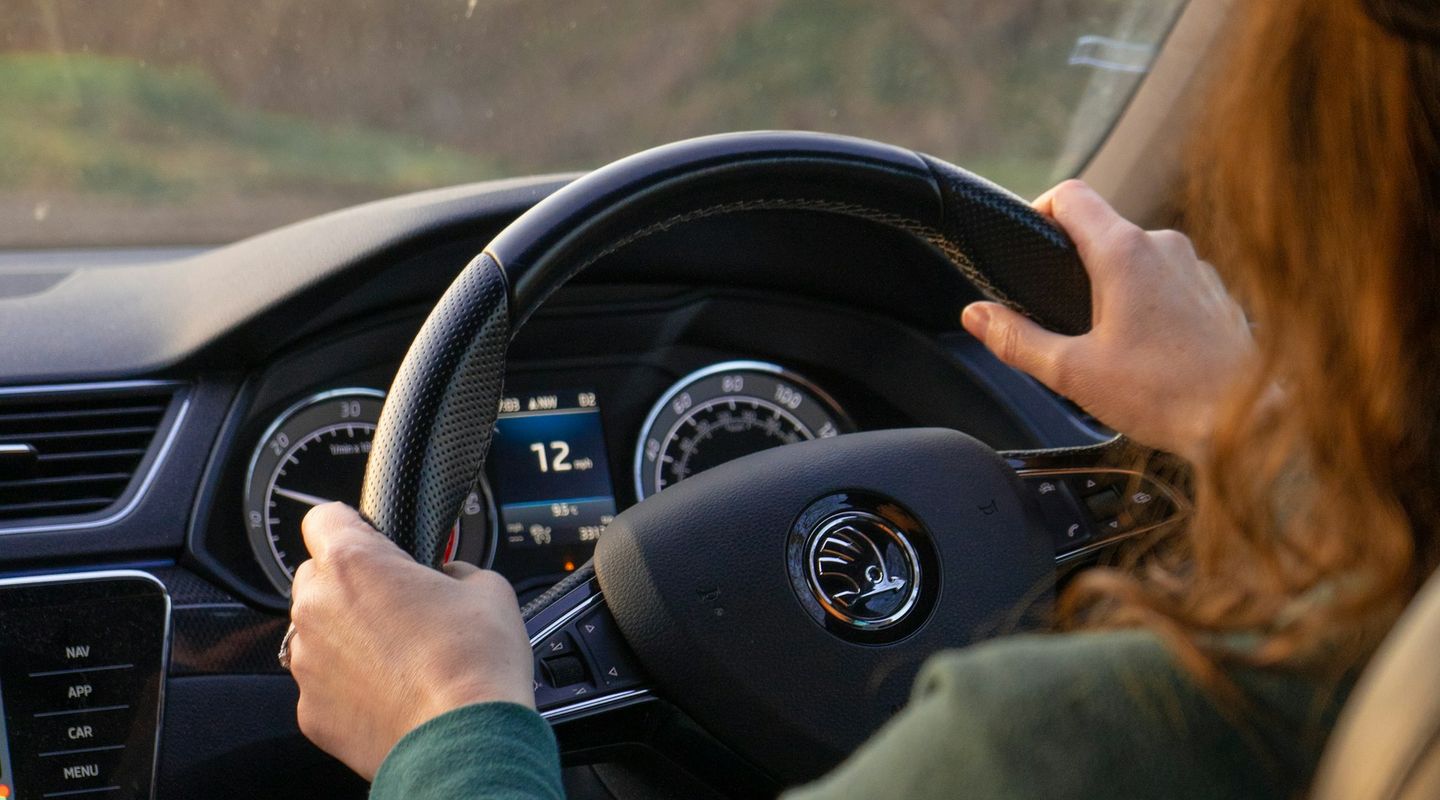
Cracked windscreen: when is it illegal to drive in the UK?
A cracked windscreen is not automatically illegal in the UK - but it becomes unlawful if the damage impairs the driver's view or renders the vehicle dangerous. The key is where the damage is and how large it is: the area directly in front of the driver is subject to the strictest rules.

Earn points and use them to save money in the app. Download today.


Is it illegal to drive with a cracked windscreen?
Not automatically, but it can become illegal depending on the size and position of the damage. UK law under the Road Vehicles (Construction and Use) Regulations 1986 requires that a windscreen must not be in such a condition as to obscure the driver's view of the road or render the vehicle dangerous.
A hairline chip at the edge of the windscreen, well away from your line of sight, is unlikely to constitute an offence. But a crack running across the driver's field of vision - particularly within what is called Zone A - is a different matter, and police can stop you and prohibit the vehicle from being driven on the spot.
While your car is off the road for repair, one day car insurance on a borrowed vehicle is the straightforward way to keep yourself mobile.
What is Zone A?
Zone A is the area of the windscreen directly in front of the driver, used by police and MOT testers as the most critical zone for assessing damage. It is defined in MOT standards as a 290mm-wide vertical band centred on the steering column.
Damage in Zone A is assessed more strictly because it directly affects the driver's forward sight. A chip or crack in this zone that exceeds 10mm in diameter is an automatic MOT failure. Outside Zone A, the threshold is more lenient - but the overriding principle remains: damage that impairs the driver's view is unlawful regardless of which zone it sits in.
Other roadworthiness rules apply on the same journey - the UK tyre laws set the minimum legal tread depth and the penalties for driving on worn or defective tyres.
Zone A restrictions also interact with window tinting rules on the front windscreen - our guide to legal window tint levels in the UK covers the maximum visible light transmission percentages for front and rear windows and what happens at an MOT.
The 10mm and 40mm rules
MOT standards provide the clearest framework for what counts as a failure. In Zone A, any chip or crack larger than 10mm results in an automatic failure. Outside Zone A but within the windscreen's swept area, the threshold is 40mm.
For context, 10mm is roughly the diameter of a small coin. A damage point that size in your direct line of sight can visibly distort the road ahead and catch light in a way that creates a localised blind spot. Police are not bound by MOT thresholds but use them as a reference when deciding whether to issue a prohibition notice.
Can police stop you for a cracked windscreen?
Yes. A police officer can stop any vehicle they believe has a defect that makes it dangerous or unroadworthy. If they consider a cracked windscreen to be impairing the driver's view, they can issue a Vehicle Defect Rectification Notice - giving you 14 days to have the windscreen repaired and produce evidence - or issue a fixed penalty notice on the spot.
In more serious cases, they can prohibit the vehicle from being driven at all until the defect is corrected. A crack you might dismiss as minor can look very different under a police stop, particularly if it runs across Zone A, has spread since it first appeared, or catches low winter sun in a way that creates a direct hazard.
Visibility is also compromised when snow or ice has not been cleared from the roof or windscreen - our guide to the law on snow on your car roof explains what must be removed before you drive and when police can take action.

Will a cracked windscreen fail an MOT?
Yes, if the damage meets the thresholds. A chip or crack larger than 10mm in Zone A, or larger than 40mm anywhere else in the swept area, is an automatic failure. Damage smaller than these limits may still be flagged as an advisory item if it shows signs of spreading.
Windscreen cracks tend to grow over time, particularly in cold weather or after a sudden temperature change. What was a small chip in autumn can be a significant crack by spring. Our guide to can you insure a car without an MOT covers what you can legally do while a vehicle is unroadworthy.
Headlights are another item on the MOT checklist - our guide to driving with a broken headlight covers when a defective light becomes illegal and whether you can drive to a garage to have it fixed.
Does insurance cover a cracked windscreen?
Many comprehensive car insurance policies include windscreen cover as a standard feature or optional add-on. Where included, it typically covers the cost of repair or replacement without affecting the no claims discount - the windscreen claim is treated separately from the main policy.
Check your policy documents before assuming this is included. If you are driving someone else's car and you notice a windscreen crack, report it to the owner rather than driving without flagging it. A crack that was pre-existing is the owner's responsibility, but driving a vehicle you know to be defective can affect your own insurance position.
Borrowing a car? Do a pre-drive check
Before setting off in any borrowed vehicle, a quick walk-round takes under a minute: windscreen condition, all lights, tyre sidewalls. A cracked windscreen is one of the most common defects on older cars and one of the easiest to miss when it has developed gradually.
Temporary car insurance gives you comprehensive cover for the time you need - but it does not make an unroadworthy vehicle legal to drive. Our guide to driving with a damaged car covers the broader rules around what is and is not legal to take on UK roads.
Frequently asked questions
Is it illegal to drive with a cracked windscreen in the UK?
Not automatically. It becomes illegal if the damage impairs the driver's view or renders the vehicle dangerous. The key thresholds are: any chip or crack larger than 10mm in Zone A (the 290mm strip directly in front of the driver), or larger than 40mm anywhere else in the swept windscreen area, is an automatic MOT failure and can be grounds for a police prohibition.
What is Zone A on a windscreen?
Zone A is the 290mm-wide vertical band centred on the steering column - the area directly in front of the driver. It is the most strictly assessed zone because damage there directly affects forward visibility. Any chip or crack larger than 10mm in Zone A fails the MOT and can lead to a police stop and prohibition notice.
How large does a windscreen crack need to be to fail an MOT?
In Zone A - the area directly in front of the driver - any crack or chip larger than 10mm is an automatic MOT failure. Outside Zone A but within the swept area of the windscreen, the threshold is 40mm. Damage smaller than these limits may be flagged as an advisory item if it shows signs of spreading.
Can police stop you for a cracked windscreen?
Yes. Police can stop any vehicle they consider to have a defect that makes it dangerous. For a cracked windscreen, they may issue a Vehicle Defect Rectification Notice (14 days to repair and produce evidence) or, for more serious damage, prohibit the vehicle from being driven at all until the windscreen is replaced.
Does car insurance cover windscreen damage?
Many comprehensive policies include windscreen cover as standard or as an add-on, typically allowing repair or replacement without affecting the no claims discount. The windscreen claim is usually handled separately from the main policy. Check your policy documents to confirm whether cover is included before assuming it is.
Temporary insurance quote
Get a price in under 60 seconds!