
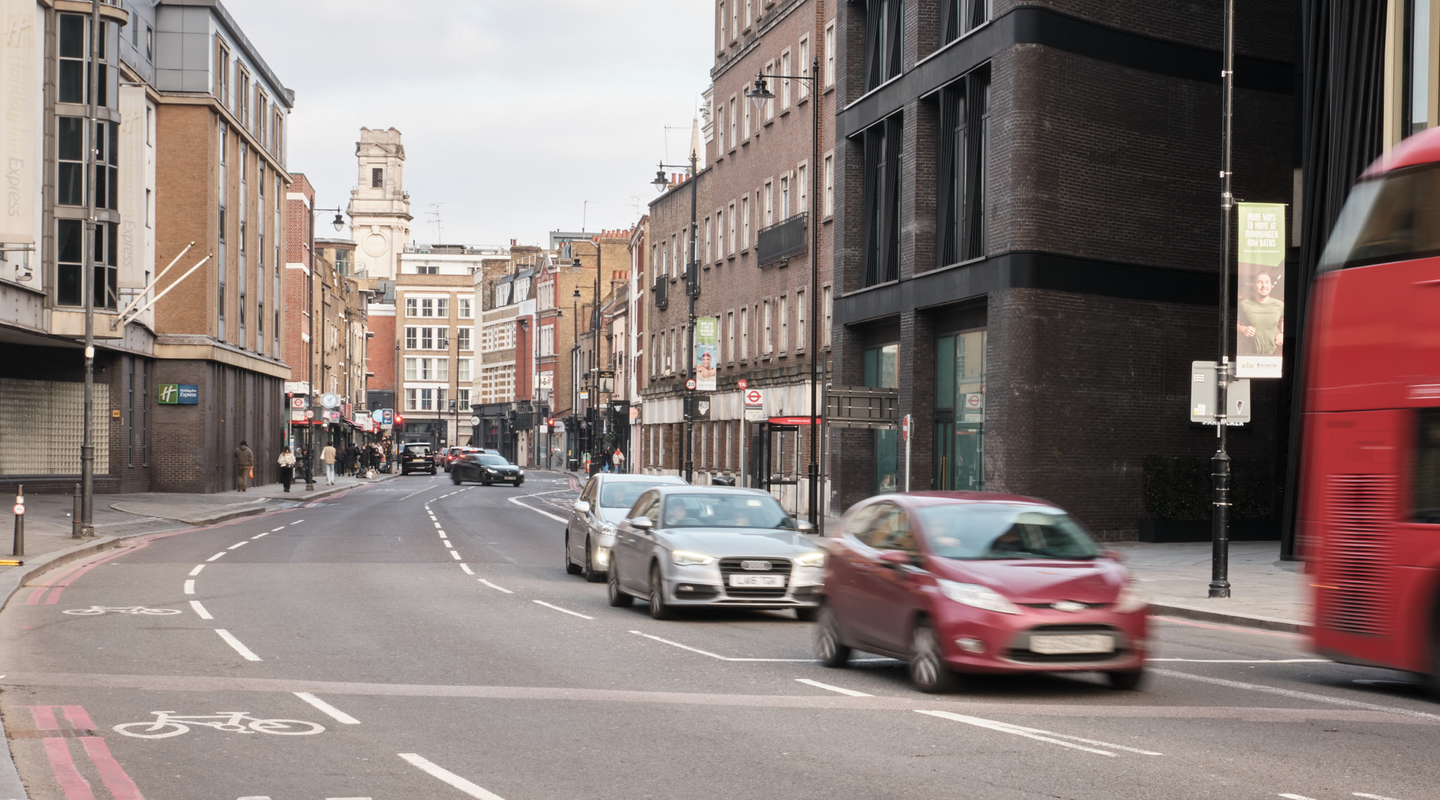
What is a dashcam and how does it work?
A dashcam is a small camera that mounts to your windscreen or dashboard and records the road continuously while you drive. It loops over old footage as it fills up, saves clips automatically when it detects an impact, and can provide clear evidence of what happened if you are involved in an incident.

Earn points and use them to save money in the app. Download today.


What is a dashcam?
A dashcam, short for dashboard camera, is a compact video camera that sits behind your rear-view mirror or on the dashboard and films the road ahead while you drive. Most are powered from the car's 12V socket or wired into the fuse box, and they start recording automatically when the engine turns on.
The appeal is simple: a dashcam gives you an impartial record of what actually happened. If another driver pulls out on you, brakes deliberately, or disputes who was at fault, the footage speaks for itself rather than leaving it as one person's word against another.
Many cameras keep watching while you are parked, and whether dashcams work when the car is off explains parking mode.
How does a dashcam work?
A dashcam records continuously onto a memory card in short segments, typically one to three minutes each. When the card fills up, the camera writes over the oldest footage first. This is called loop recording, and it means the camera never stops because it has run out of space.
Most dashcams also contain a G-sensor, an accelerometer that detects sudden movement. If you brake hard or are involved in a collision, the G-sensor locks the current clip so it cannot be overwritten, and saves it to a protected folder. That way the footage of the moment that matters is preserved even as normal recording continues.
A dashcam in parking mode is one deterrent, but effective car security goes further - how to reduce the risk of car theft in the UK covers the most effective security measures and which ones insurers give premium discounts for.
Do dashcams record audio as well as video?
Many dashcams record audio from inside the cabin as well as video of the road, using a built-in microphone. Whether that is useful depends on the situation: audio can capture what was said after an incident, but some drivers prefer to turn it off for privacy, particularly when carrying passengers.
Audio recording is not automatically straightforward under UK law. For private drivers, the ICO's household and personal-use exemption means day-to-day obligations are lighter, but if you use your vehicle commercially - for example as a taxi or private hire driver, or for business purposes where customers will be in or near your vehicle - UK GDPR obligations apply more strictly and transparency becomes a clear requirement. In those commercial contexts, you should let passengers know that recording is taking place. The microphone can usually be switched off in the camera settings while video continues to record normally.
Dashcams are one deterrent, but knowing which cars are most at risk informs how much security investment is justified - which cars are stolen most in the UK covers the annual statistics by make and model and the methods thieves most commonly use.
What quality do dashcams record at?
Resolution is the main thing that separates a cheap dashcam from a good one. Entry-level cameras record in 1080p Full HD, which is enough to capture the general scene. Mid-range and premium models record in 1440p or 4K, which makes a real difference when you need to read a number plate a few car lengths away.
Frame rate and low-light performance matter too. A camera that handles headlights and dark roads cleanly is far more useful than one that records a high resolution but blows out in glare or smears at night.
Are dashcams worth having?
For most drivers, yes. A dashcam costs a modest one-off amount and can save a great deal of stress if your account of an incident is ever questioned. It protects you against staged "crash for cash" scams, settles disputes about who hit whom, and removes the uncertainty when there were no independent witnesses.
Some insurers also offer a small discount for having a dashcam fitted, since the footage makes liability easier to establish and claims faster to settle. It is worth asking your insurer whether they recognise one.

How does a dashcam help with an insurance claim?
If you are involved in a collision, dashcam footage can show exactly what happened, in what order, and at what speed. That makes establishing fault far quicker, which often means your claim is settled sooner and your version of events is not left open to dispute.
Footage is most valuable in non-fault claims, where it can stop the other party shifting blame onto you. If you do have an incident, our guide on what to do after a car accident walks through the steps to take and the evidence to gather at the scene.
Can dashcam footage be submitted to the police?
Yes. Most police forces in England and Wales accept dashcam footage from members of the public through an online portal, and many use it to follow up on dangerous driving they did not witness directly. You upload the clip along with a short statement, and the force decides whether to act. As of October 2024, Transport Scotland allocated funding to bring Police Scotland into the same National Dashcam Safety Portal framework, with a dedicated Scottish reporting portal actively being developed, so coverage across the UK is expanding.
Bear in mind that footage can work both ways. If your own driving is shown to be at fault, the same clip can count against you, so a dashcam is best thought of as an honest record rather than a one-sided shield.
If you are driving a hired or borrowed car and want dashcam footage as evidence in the event of an incident, check that the camera is recording before you set off. Temporary car insurance on a borrowed vehicle means you also have comprehensive cover in your own name for the duration - so the footage and the insurance are both in place.
Front-facing vs dual-channel dashcams
A front-facing dashcam records only the road ahead. A dual-channel dashcam adds a second camera, usually for the rear window, so you capture what happens behind you as well, which is useful for rear-end shunts and tailgating.
Some setups add a third interior-facing camera, popular with drivers who carry passengers for work. Whichever you choose, clear footage protects you in a dispute. Whatever cover you are on, annual or temporary car insurance, evidence of what happened is what keeps you from being found at fault when you were not.
Frequently asked questions
What is a dashcam and what does it do?
A dashcam is a small camera mounted to your windscreen or dashboard that records the road continuously as you drive. It loops over old footage as the memory card fills, and saves clips automatically when it senses an impact, giving you an impartial record of any incident.
Do dashcams record sound as well as video?
Many do. Most dashcams have a built-in microphone that records audio inside the cabin alongside the video. For private drivers, the ICO's household and personal-use exemption means day-to-day obligations are relatively light. However, if you use your vehicle commercially - for example as a taxi, private hire, or business vehicle where customers will be in or near the car - UK GDPR obligations apply more strictly, and you should let passengers know recording is taking place. The microphone can usually be turned off in the settings if you would rather not record sound.
Are dashcams worth it for most drivers?
For most drivers, yes. A dashcam is an inexpensive one-off purchase that provides clear evidence if you are ever involved in a disputed incident or targeted by a staged accident scam. Some insurers also recognise a fitted dashcam when pricing a policy.
Can dashcam footage prove who was at fault in an accident?
It often can. Footage showing the sequence of events, road positions and speeds makes establishing fault far easier, which usually means a faster claim. It is most valuable in non-fault claims, where it stops the other party shifting blame onto you.
Can I submit dashcam footage to the police?
Yes. Most police forces in England and Wales accept dashcam footage from the public through an online portal, along with a short statement, and may act on dangerous driving they did not witness. As of October 2024, Transport Scotland allocated funding to bring Police Scotland into the same National Dashcam Safety Portal framework, with a dedicated Scottish portal actively being developed. Remember footage can also count against you if your own driving was at fault.
Temporary insurance quote
Get a price in under 60 seconds!