
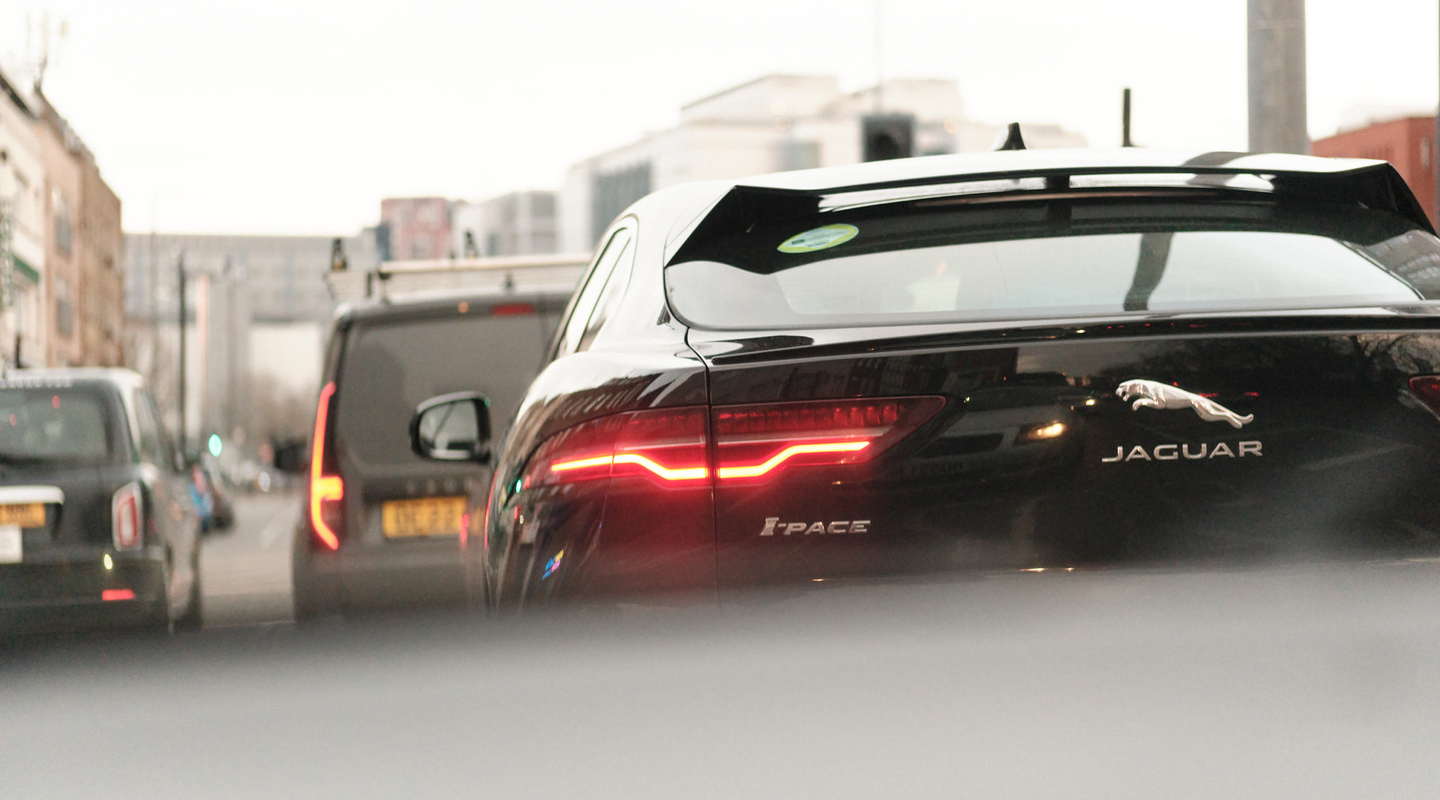
How to stop your car getting stolen
Most modern car theft no longer involves breaking in; it targets keyless entry systems. The best protection combines blocking that signal, visible deterrents such as a steering lock, and sensible parking. A few cheap habits make your car a far harder and less appealing target.

Earn points and use them to save money in the app. Download today.


How are cars stolen today?
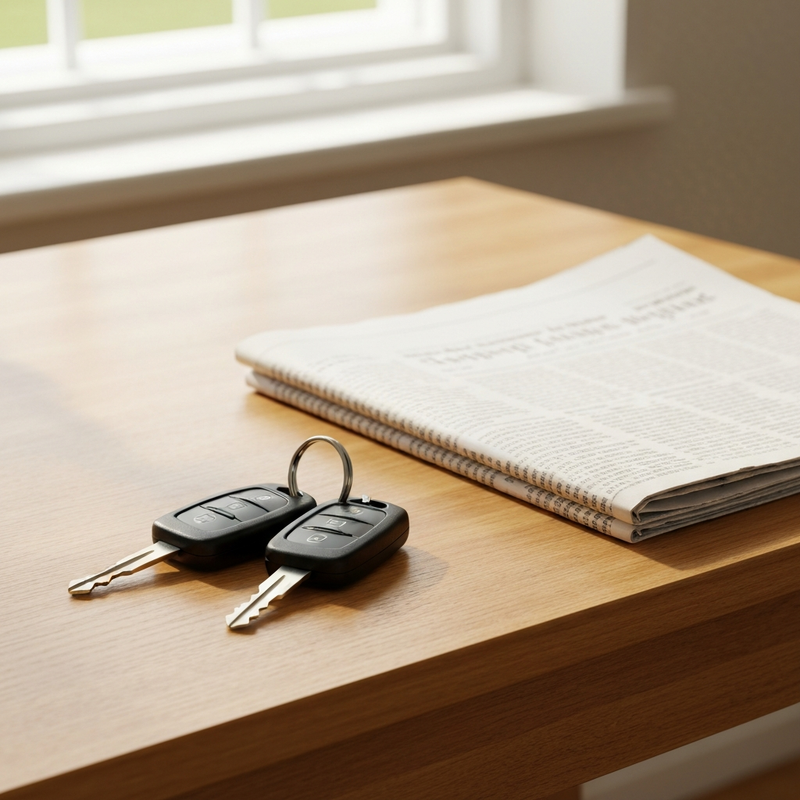
Car theft has changed. Where thieves once broke windows or forced locks, much modern theft targets keyless entry. In a relay attack, two thieves use devices to capture and extend the signal from a key fob inside your home, tricking the car into thinking the key is present, so it unlocks and starts.
Other methods include plugging into the car's diagnostic port to program a new key, and old-fashioned theft of keys during a burglary. Understanding the method is the first step to defending against it.
If your car is stolen and you need to use a borrowed vehicle while the claim is resolved, temporary car insurance covers the borrowed car by the day or week without affecting the owner's no-claims bonus.
Beating keyless relay theft
If your car has keyless entry, this is the most important risk to address. The aim is to stop the fob's signal being captured while it sits in your home overnight.
The simplest defences are cheap and effective:
- Keep the fob in a signal-blocking pouch or Faraday box
- Store keys away from the front door and windows, where the signal is easiest to capture
- Check whether your car lets you turn off the keyless function overnight
- Consider a metal tin as a budget alternative to a Faraday pouch

These steps break the relay attack, which relies entirely on reaching the fob's signal.
Use a visible deterrent
Thieves prefer easy, quiet targets, so anything that makes your car look like hard work helps. A steering wheel lock, a pedal box or a wheel clamp are highly visible and take time and effort to defeat, which often sends a thief looking elsewhere.
These old-fashioned mechanical devices have come back into their own precisely because they defend against modern electronic theft, which cannot bypass a physical lock. They are cheap relative to the loss of a car.
Park to protect your car
Where you leave your car makes a real difference. A locked garage is best; a driveway is better than the street; and a busy, well-lit, overlooked spot is better than a quiet dark one.
If you have a driveway, parking a second car or a physical barrier behind a valuable car makes it much harder to take. Reversing onto a driveway, against a wall, also makes a quick getaway harder. Thieves weigh up risk and effort, so raise both.
Electronic security and tracking
Beyond the basics, electronic measures add protection. A Thatcham-approved alarm and immobiliser make a car harder to take and can reduce your insurance premium. A tracker does not prevent theft but greatly improves the chance of recovery and is often required for high-value cars.
Some owners also fit a lock or cover over the diagnostic port to block the plug-in method of programming a new key. For frequently targeted models, these measures are worth the cost.
Protect your number plates and catalytic converter
Two specific thefts are worth guarding against. Stolen number plates are used to disguise other vehicles and dodge fines, so use tamper-resistant security screws to fit yours.
Catalytic converter theft targets the valuable metals inside, particularly on some hybrids and higher vehicles. A converter lock or marking kit, and parking so the underside is hard to access, all reduce the risk. Marking parts also helps police link them back to you.
Does where you live affect theft risk?
Yes, location plays a real part in car theft risk, which is one reason your postcode affects your insurance premium. Areas with higher rates of vehicle crime, busy urban centres, and streets with lots of on-road parking and through traffic tend to see more theft than quiet rural areas with off-road parking.
That does not mean a rural car is safe or an urban car doomed; it means the sensible level of security varies. If you live somewhere with higher risk, or park on the street, the layered measures matter more: a Faraday pouch for a keyless fob, a visible steering lock, and parking in the best-lit, most overlooked spot you can. If you have off-road parking or a garage, use it. The car itself matters too, because some models are targeted far more than others, so it is worth knowing whether yours is on thieves' lists before deciding how much security to fit. Wherever you live, the cheap deterrents are worth using, because they cost little and make your car a less appealing target than the one parked next to it.
If the worst happens
Even with precautions, theft can happen, so make recovery and claims easier in advance. Keep your documents and keys secure, photograph your car and note its registration and details, and consider a dashcam, including one with parking mode that works when the car is off.
It is also worth knowing whether your car is a common target. Our guide to the most stolen cars in the UK shows which models thieves favour and why, which helps you judge how much security is worth fitting.
Frequently asked questions
How do thieves steal keyless cars?
Through a relay attack: two thieves use devices to capture the signal from a key fob inside your home and extend it to the car, which thinks the key is present and unlocks and starts. Blocking the fob's signal with a Faraday pouch defeats this method.
What is the best way to stop car theft?
There is no single answer; layered protection works best. Block your keyless fob's signal, use a visible deterrent such as a steering lock, park somewhere secure and well-lit, and consider an alarm, immobiliser or tracker. Together these make your car a hard, unappealing target.
Do steering wheel locks actually work?
Yes, as a deterrent. A visible steering lock, pedal box or wheel clamp takes time and effort to defeat and cannot be bypassed electronically, so it often makes a thief move on to an easier target. They have become popular again because of keyless theft.
Does a Faraday pouch stop car theft?
It stops relay attacks on keyless cars by blocking the fob's signal so it cannot be captured and extended. Keep both fobs in the pouch and away from doors and windows. It is one of the cheapest and most effective steps for a keyless car.
Where is the safest place to park to avoid theft?
A locked garage is safest, followed by a driveway, then a busy, well-lit and overlooked street rather than a quiet dark one. Blocking a valuable car in with another vehicle, and reversing against a wall, make it harder to take quickly.
Temporary insurance quote
Get a price in under 60 seconds!