
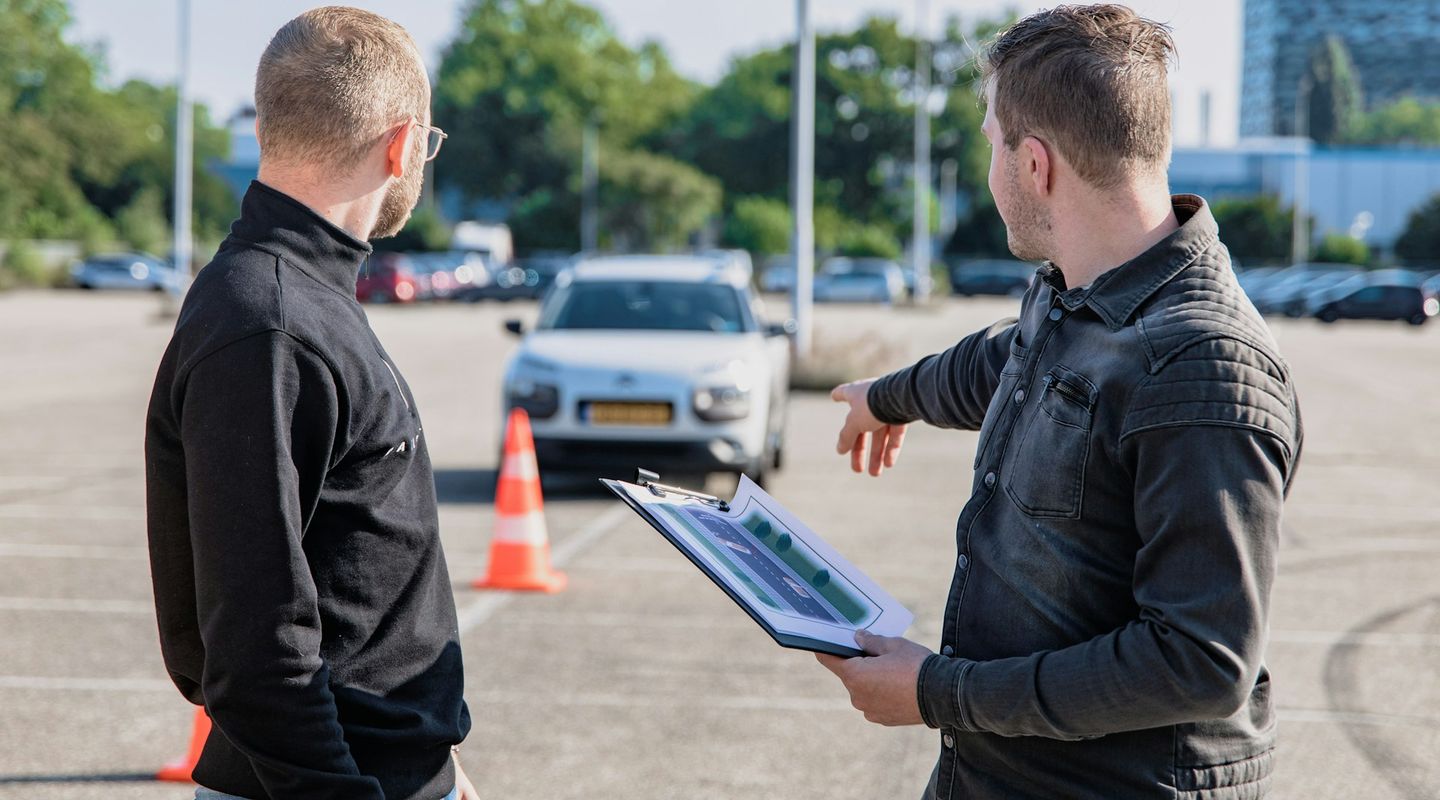
How to supervise a learner driver: a guide for parents
To supervise a learner driver you must be at least 21 and have held a full licence for the same category of vehicle for at least three years. While supervising, you are legally responsible for the car, so you must stay alert, stay off your phone, and be under the drink drive limit. The learner also needs the right insurance.

Earn points and use them to save money in the app. Download today.


Who can supervise a learner driver?
Not just anyone can accompany a learner. To supervise legally, you must be at least 21 years old, have held a full driving licence for the type of car being driven for at least three years, and have been a permanent UK resident for at least two years. For a manual car, your full licence must cover manual cars. You must also not be currently disqualified from driving.
This means an older sibling, parent, family friend or partner can supervise, as long as they meet those conditions. A driving instructor is not required for private practice, which is what makes practising in the family car possible.
Supervisors are responsible for the learner at all times, including at night - and the rules are the same as for daytime practice - the rules for night driving as a learner in the UK covers whether there is a legal restriction on learner night driving and how to prepare for it safely.
Your responsibilities while supervising
Supervising is a legal responsibility, not just sitting in the passenger seat. While the learner drives, you are treated as being in charge of the vehicle, which carries real duties.
You must stay alert and ready to help, keep an eye on the road and the learner, and be able to give clear, calm guidance. You must not use a handheld phone, and you must be within the drink drive limit, because being over it while supervising is an offence just as it would be if you were driving.
The insurance implications for the supervising driver are covered fully in our guide to protecting a parent's no-claims bonus while a learner practises, which explains why a separate learner policy is the cleanest option.
What the learner must have
For legal practice, the learner needs several things in place:
- A valid provisional driving licence
- L-plates (or D-plates in Wales) on the front and back of the car
- Insurance that covers them to drive the car
- A roadworthy, taxed car with a valid MOT if required

Without all of these, the practice is not legal, and the insurance point in particular is where families can come unstuck if they have not arranged proper cover.
Insurance for a learner driver
The learner must be insured to drive. Adding them to the car owner's policy is one option, but it puts the owner's policy and no claims bonus at risk if there is an incident.
Dedicated learner driver insurance in the learner's name avoids that, covering them to practise in a family member's car without affecting the owner's cover. Our guide on protecting a parent's no claims bonus explains why keeping the policies separate matters.
Making practice sessions effective
Good supervision is about building confidence steadily. Start somewhere quiet, keep early sessions short, and focus on one or two skills at a time rather than trying to cover everything at once.
Give instructions early and calmly, in good time before a junction or manoeuvre, and stay patient when things go wrong, because they will. Private practice between professional lessons is one of the most effective ways to build experience, as our guide on how private practice reduces lesson costs explains.
What you can and cannot let a learner do
A learner can drive on most roads while supervised and insured, building up from quiet streets to busier roads as they improve. They cannot drive on a motorway unless they are with an approved driving instructor in a dual-control car.
You also cannot let a learner drive unaccompanied, or drive faster than the conditions or their ability safely allow. Our guide to driving with a provisional licence covers the full list of what learners can and cannot do.
How to give feedback without causing arguments
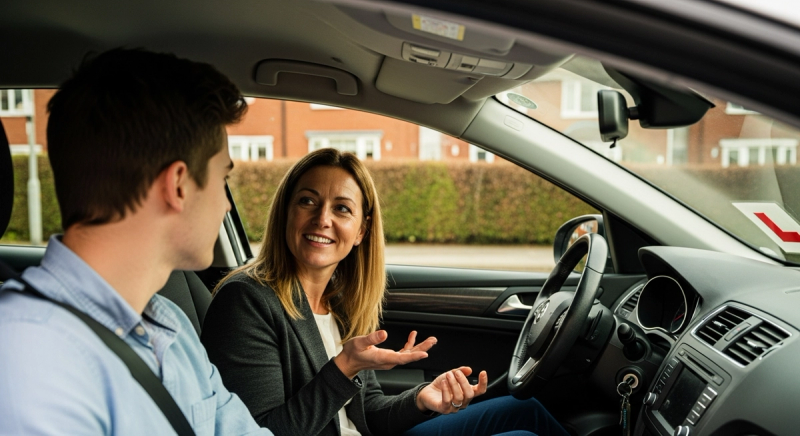
Supervising someone close to you, often your own child, can be more stressful than the driving itself, and how you give feedback makes a big difference. The aim is to keep the learner calm and focused, because a tense driver makes more mistakes, so deliver guidance early, clearly and without raising your voice.
A few habits help. Give instructions in good time before a junction or manoeuvre, not at the last second, and use simple, consistent phrases. Praise what went well, not just what went wrong, and pick one or two things to work on each session rather than commenting on everything. If a session is turning fraught, end it early on a positive note rather than pushing on. It also helps to agree in advance how the learner wants feedback, and to remember that the professional instructor is there for the technical teaching; your job is safe, supportive practice. Keeping the mood calm is as valuable as anything you say about the driving. Over time, as the learner improves, you can say less and let them make and correct their own small mistakes, which is exactly the independence they will need on test day and beyond.
If the learner you are supervising wants a full weekend of practice, weekend learner driver insurance gives them two days of cover on your car in their own name - so nothing that happens during those sessions affects your annual policy or no-claims discount.
Staying calm and safe
The best supervisors stay calm, because a stressed learner makes more mistakes. Speak clearly and early, avoid grabbing the wheel unless it is genuinely necessary, and end a session on a positive note where you can.
Remember that you are there to keep the practice safe and lawful, not to replace professional lessons. A combination of lessons and well-supervised private practice gives a learner the best chance of becoming a safe, confident driver.
Frequently asked questions
Who can supervise a learner driver in the UK?
Anyone who is at least 21, has held a full licence for the type of car being driven for at least three years, and has been a permanent UK resident for at least two years. For a manual car, the supervisor's full licence must cover manual cars. The supervisor must also not be currently disqualified from driving. A driving instructor is not required for private practice.
What are my responsibilities when supervising a learner?
You are treated as being in charge of the vehicle, so you must stay alert and ready to help, not use a handheld phone, and be within the drink drive limit. Being over the limit while supervising is an offence, just as it would be if you were driving.
Does a learner need their own insurance to practise?
Yes. The learner must be insured to drive. They can be added to the car owner's policy, but that risks the owner's no claims bonus. Dedicated learner insurance in the learner's name covers them without affecting the owner's policy.
Can I let a learner drive on the motorway?
Only with an approved driving instructor in a dual-control car. As a private supervisor you cannot take a learner on the motorway. They can practise on most other roads while supervised, insured and displaying L-plates.
What does a learner need to practise legally?
A valid provisional licence, L-plates on the front and back of the car, insurance covering them to drive, and a roadworthy, taxed car with a valid MOT if required, plus a supervisor who meets the age and licence rules.
Temporary insurance quote
Get a price in under 60 seconds!