

How to protect your No Claims Bonus when someone borrows your car
Lending your car to a friend or family member can feel like a simple favour, but it could put years of careful no-claims building at risk. One accident while someone else is driving could wipe out your hard-earned discount and leave you facing higher premiums for years to come.

Earn points and use them to save money in the app. Download today.


How to protect your No Claims Bonus when someone borrows your car
Lending your car to a friend or family member can feel like a simple favour, but it could put years of careful no-claims building at risk. One accident while someone else is driving could wipe out your hard-earned discount and leave you facing higher premiums for years to come.
The good news is there are practical ways to protect your No Claims Bonus whilst still helping someone out. Whether it's a one-off emergency or regular borrowing arrangement, understanding your options can save you money in future insurance costs.
Adding a regular driver to your policy can stray into fronting if they are really the main driver.
For a loan that only lasts a day, one day car insurance is the cleanest solution - the borrower is covered independently and your no-claims record is untouched.
What happens to your No Claims Bonus when someone else drives
Your No Claims Bonus remains attached to your main car insurance policy, regardless of who's driving when an accident happens. If someone borrows your car and has an accident, any claim will be made against your policy - and this typically means losing some or all of your no-claims discount. If the accident is serious enough that the car becomes a total loss, see car write-off categories explained for what each category means.
Most insurers reduce your No Claims Bonus by two or three years for each claim, even if you weren't driving. Some policies include "no claims protection" but this usually only covers your first claim and comes with conditions. The borrower's own insurance experience won't help - it's your policy and your discount on the line.
This means a friend with decades of claim-free driving could still cost you your bonus if they have an accident in your car. The financial impact can be significant, as a full No Claims Bonus could save you money on your next insurance premium.
If they cause an accident the consequences run deeper than a repair bill, and our guide to what happens if someone crashes your car covers liability, no-claims impact, and what to do next.
Temporary insurance for the borrower
The most effective way to protect your No Claims Bonus is to arrange separate insurance for the person borrowing your car. Temporary car insurance allows them to be fully covered on your vehicle without any risk to your main policy.
This type of cover works alongside your existing policy, creating a separate insurance arrangement for the borrower. If they have an accident, their temporary policy handles the claim - your policy and No Claims Bonus remain completely untouched.
Coverage typically starts from just a few hours up to several months, making it practical for everything from emergency trips to extended borrowing arrangements. The borrower can arrange and pay for the cover themselves, often getting a quote online in minutes.
For shorter periods, options like hourly car insurance or 24 hour car insurance provide flexible protection. Longer arrangements might suit weekly car insurance or monthly car insurance better.
It is also worth understanding whether your comprehensive cover lets you drive another car, as the answer often surprises people.
The cleanest option is temporary insurance for borrowing a car, which keeps the lender's no-claims record completely untouched.
The same principle applies during a private sale - our guide to insuring a car while selling it privately explains why asking the buyer to arrange their own cover is the cleanest solution.
From the borrower's side, arranging your own cover is the cleanest solution - our guide to borrowing a friend's car for a road trip covers the options in full and what you need to sort before setting off.
Adding someone to your policy temporarily is one option - our guide to adding a temporary driver to your car insurance covers how to do it, how long it takes, and when the borrower arranging their own cover is cleaner.
Check your existing policy terms
Before anyone borrows your car, review what your current policy actually covers for other drivers. Many policies include some provision for occasional use by others, but the terms vary significantly between insurers.
Some policies only cover other drivers for third-party damage, leaving you liable for repairs to your own car. Others might have age restrictions, requiring additional drivers to be over 25 or 30. Geographic limitations could also apply - your policy might not cover someone driving to Europe, for example.
Look specifically for any excess amounts that apply when other drivers are involved. You might face a higher excess for claims involving permitted drivers, adding to the financial risk even if your No Claims Bonus stays intact.
Many modern policies are becoming more restrictive about other drivers, with some newer policies excluding them entirely unless specifically added. Don't assume your policy covers other drivers - check the wording carefully or contact your insurer directly.
For a short loan, three day car insurance gives the borrower their own cover without touching the owner's no-claims bonus.
Consider adding them to your policy temporarily
For regular borrowers like family members, temporarily adding them to your main policy might seem convenient. However, this approach has important drawbacks for protecting your No Claims Bonus.
Adding someone to your policy means they're fully covered, but any accidents they have will still result in claims against your policy. Your No Claims Bonus remains at risk, and you'll likely face higher premiums both immediately and in future years.
The process isn't always quick either. Adding drivers often requires insurers to reassess risk, potentially leading to additional premium charges or even policy cancellation if the new driver doesn't meet their criteria.
Some insurers also make it difficult to remove added drivers mid-term, potentially leaving you with higher premiums even after the borrowing arrangement ends.
The neatest solution for a one-off loan is temporary cover for lending your car, which keeps the borrower fully insured on their own policy.
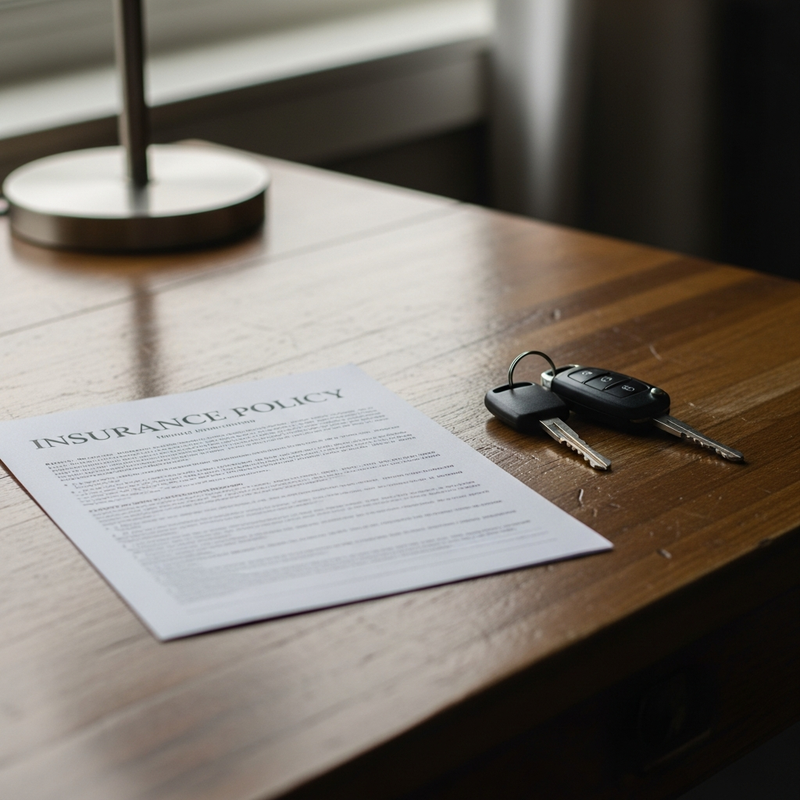
Document everything properly
Whatever approach you choose, keep clear records of any arrangements you make. This includes copies of temporary insurance policies, details of who was driving when, and documentation of any incidents that occur.
If someone borrows your car regularly, consider creating a simple written agreement covering who's responsible for insurance, fuel, and any damage. While this might seem formal for family arrangements, it can prevent misunderstandings and provide clarity if problems arise.
For temporary insurance arrangements, make sure you understand exactly what's covered. Check that the policy covers the specific journeys planned, any additional drivers if the car might be shared, and whether business use is included if relevant.
Keep contact details for any temporary insurance providers handy, as you might need to verify coverage quickly if an incident occurs.
If a BMW is the car being borrowed or lent, our guide to BMW insurance covers the short-term options that keep both parties' policies separate.
Alternative solutions for regular borrowing
If someone needs regular access to your car, it might be worth exploring whether they could arrange their own vehicle and insurance instead. This completely eliminates any risk to your policy and gives them more flexibility.
Car sharing schemes and short-term rental options have expanded significantly, offering alternatives that might work better for everyone involved. These services handle their own insurance arrangements and often provide vehicles closer to where they're needed.
For family members learning to drive, learner driver insurance can provide appropriate cover for practice sessions. This protects your No Claims Bonus while giving them the experience they need to develop their skills safely.
Some insurers offer specific products for occasional use vehicles or multiple driver households that might provide better long-term solutions than repeatedly arranging temporary cover.
The tax element of any insurance arrangement is IPT - our guide to insurance premium tax explains what it is, how much it adds to a policy, and why it cannot be avoided.
Borrowing a friend's car while yours is off the road raises the same cover questions - our guide to transport options when your car is being repaired covers every option and how the insurance works for each one.

Make an informed decision
Protecting your No Claims Bonus when someone borrows your car requires planning and the right insurance approach. Temporary insurance for the borrower offers the strongest protection for your discount, while still allowing you to help friends and family when needed.
Remember that your No Claims Bonus represents years of careful driving and substantial savings on your insurance costs. Taking steps to protect it makes financial sense and ensures you're not penalised for someone else's accident.
Ready to protect your No Claims Bonus with temporary cover? Get a quote in under a minute and keep your hard-earned discount safe.
If you regularly lend your car to the same person, it is worth understanding what a named driver is and whether adding them permanently to your annual policy makes more sense than repeated temporary cover.
Frequently asked questions
Will my No Claims Bonus be affected if someone else crashes my car?
Yes, if someone else has an accident while driving your car and a claim is made against your policy, you'll typically lose part of your No Claims Bonus. This happens even if you weren't driving at the time.
Can temporary insurance really protect my main policy?
Yes, temporary insurance creates a separate policy for the borrower. If they have an accident, their temporary insurance handles the claim without affecting your main policy or No Claims Bonus.
How long can someone get temporary insurance for my car?
Temporary insurance typically ranges from one hour up to 28 days. You can choose the exact duration needed, whether it's a few hours for an emergency trip or several weeks for extended use.
Does no-claims protection on my policy help when others drive?
No-claims protection usually only covers your first claim and may have specific conditions. It's not guaranteed to protect your bonus if someone else has an accident in your car, so separate temporary insurance is more reliable.
Is it expensive to get temporary insurance for a borrowed car?
Costs vary based on factors like the driver's age, experience, and the duration needed. For short periods, it's often much cheaper than the potential cost of losing your No Claims Bonus and paying higher premiums for years.
Temporary insurance quote
Get a price in under 60 seconds!