
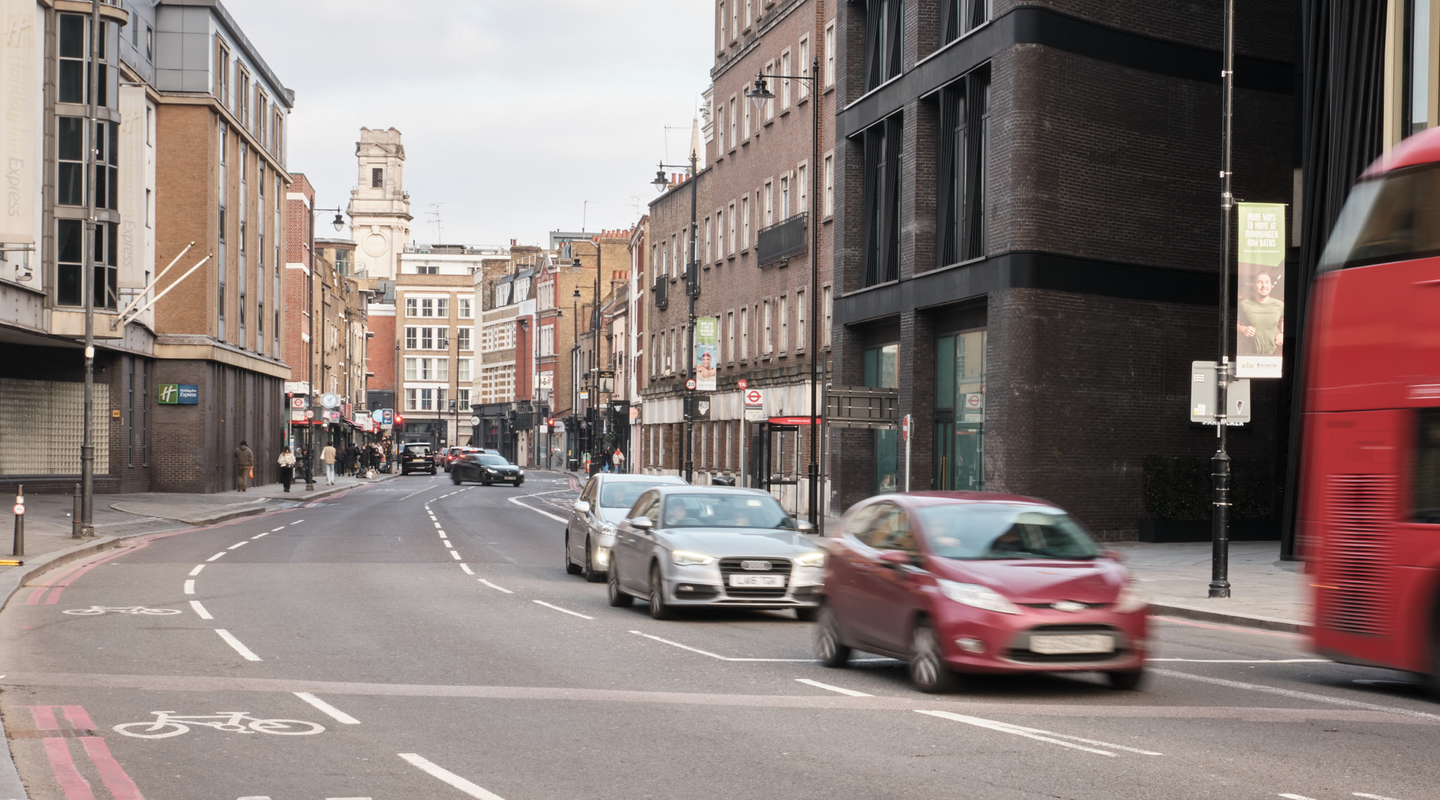
Pedestrian priority at junctions: the Highway Code rule
A significant change to the Highway Code came into force in January 2022. Under Rule H2, drivers turning into a road must give way to pedestrians who are crossing or waiting to cross that road - even if there is no marked crossing. This reverses what many drivers were taught and is now tested in the driving test.

Earn points and use them to save money in the app. Download today.


What changed in January 2022?
The January 2022 update to the Highway Code introduced a hierarchy of road users and several specific new rules. The hierarchy places those most at risk - pedestrians and cyclists - at the top, with drivers and riders of larger vehicles carrying greater responsibility to protect them.
Rule H2 is the change that most directly affects everyday driving for most motorists. Before 2022, the understood convention was that pedestrians crossing a side road should wait for turning vehicles. The updated rule reverses this: drivers turning left or right into a road must give way to pedestrians who are crossing or waiting to cross that road.
Rule H3, introduced at the same time, requires drivers to give way to cyclists and horse riders when turning at junctions.
When does Rule H2 apply?
Rule H2 applies any time a driver turns into a road, whether turning left from a main road into a side street, turning right across oncoming traffic into a side street, or taking a left at a T-junction. The key trigger is the act of turning into a road - not approaching a marked crossing.
The rule applies to pedestrians both on the road surface and waiting on the pavement to cross. A pedestrian standing at the kerb at the mouth of a side road, clearly intending to cross, now has formal priority over a vehicle turning into that road.
It does not apply when driving straight ahead on a road where pedestrians are crossing. Those situations are governed by the existing rules on pedestrian crossings and general duty of care.
Specific scenarios
Turning left from a main road into a side street: A pedestrian is crossing or waiting to cross the side street from the left-hand pavement. Under Rule H2, they have priority. You must give way before completing the turn.
Turning right into a side street: Same applies. Any pedestrian crossing or waiting to cross the road you are turning into has priority. Combined with the need to give way to oncoming traffic, this means drivers completing a right turn must check for both oncoming vehicles and pedestrians crossing the destination road.
Roundabout exits: When exiting a roundabout, if a pedestrian is crossing or waiting to cross the exit road, Rule H2 applies. The pedestrian has priority.
One-way streets and lanes: The same principle applies at any junction where you are turning into a road, regardless of the road type.
The A pillar problem
The pedestrian you need to give way to under Rule H2 may be hidden behind the A pillar of your car at exactly the moment the rule requires you to yield. At a left turn, a pedestrian crossing the side street from right to left can disappear behind the driver's side A pillar as the car approaches the junction. The lean-and-look technique - moving your head forward and to the side to see past the pillar - is not just good practice, it is what the rule requires. Our guide to windscreen pillars and blind spots covers how to manage this.
Fault and insurance implications
If a driver fails to give way under Rule H2 and strikes a pedestrian at a junction, the driver is likely to be found at fault. The 2022 rule change made this position explicit in the Highway Code rather than leaving it to case-by-case interpretation.
An at-fault collision with a pedestrian at a junction is likely to result in a significant insurance claim. Our guide to what to do after a car accident covers the immediate steps and how to report the incident correctly.
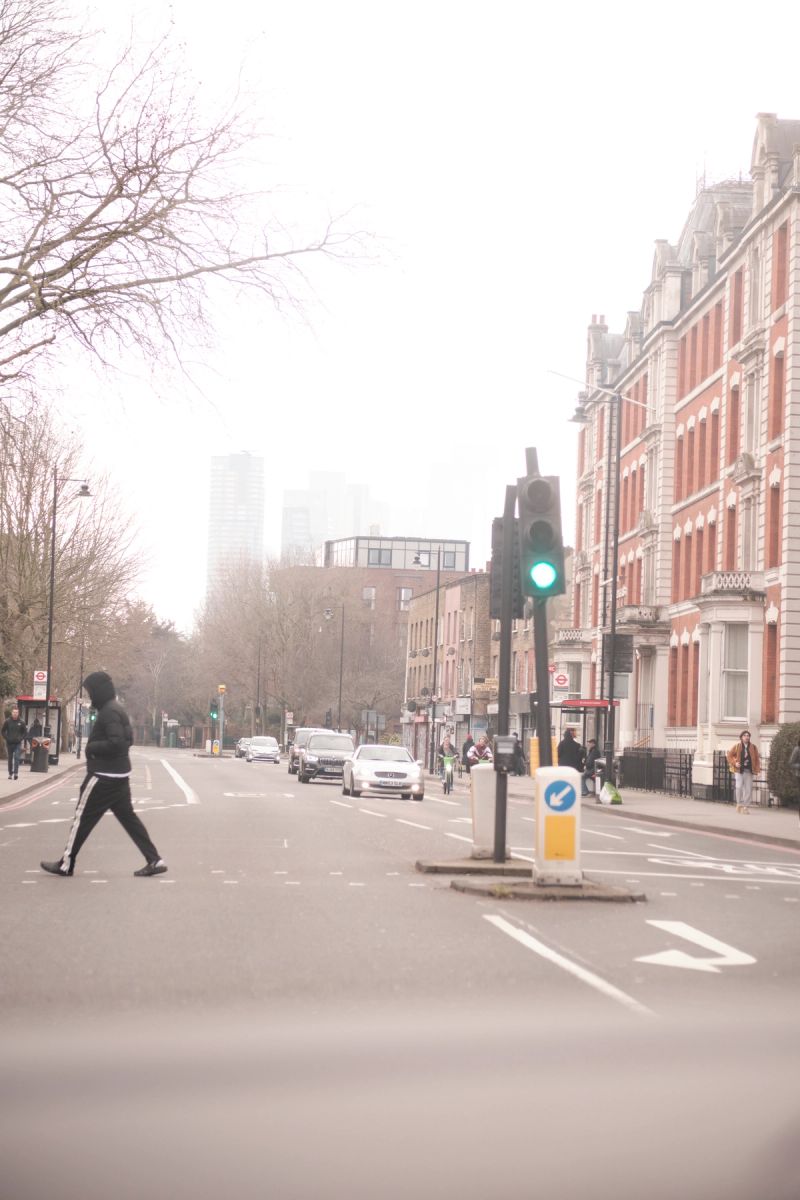
Rule H2 and the driving test
Driving examiners have incorporated Rule H2 into the assessment since 2022. Failing to give way to a pedestrian crossing a side road you are turning into is a serious fault. The examiner is looking for the driver to check for pedestrians at the junction mouth before completing a turn, not simply to check mirrors and signal.
If you are learning to drive, building the habit of checking for pedestrians crossing the side road before any turn - not just clearing the mirrors for following traffic - is an important part of the modern test standard. Our guide to the UK driving test explained outlines the full marking criteria.
The broader Highway Code hierarchy
Rule H2 is part of a wider shift in UK road policy that places greater responsibility on those driving or riding larger vehicles to take care of more vulnerable road users. Drivers who pass the driving test today are examined on this hierarchy. Many drivers who passed before 2022 are not aware of the change - which is part of why the search volume for this topic remains high years after the rule came in.

Learner driver insurance for practice
If you are preparing for the driving test and want to practise turning into and out of side roads, learner driver insurance allows you to use your own or a family member's car for supervised practice - applying the new rules correctly from the start of your training.
Frequently asked questions
Does a pedestrian have right of way when a car is turning into a road?
Yes, under Rule H2 of the Highway Code (in force since January 2022). Drivers turning into a road must give way to pedestrians who are crossing or waiting to cross that road. This applies at all junctions, not just at marked crossings.
What is Rule H2 of the Highway Code?
Rule H2, introduced in January 2022, states that at a junction drivers must give way to pedestrians crossing or waiting to cross a road into which or from which they are turning. It reversed the previous convention that pedestrians should wait for turning vehicles.
When did pedestrian priority at junctions change?
The Highway Code was updated on 29 January 2022 to introduce Rule H2. Before that date, the formal rules did not explicitly give pedestrians priority over turning vehicles at junctions. The change applies to all junctions, not just those with marked crossings.
Does Rule H2 apply at roundabout exits?
Yes. When exiting a roundabout you are turning into the exit road, and Rule H2 requires you to give way to pedestrians crossing or waiting to cross that exit. The same rule applies whether you are turning left, right or straight ahead into any road at a junction.
Do cyclists have right of way at junctions too?
Rule H3, introduced at the same time as Rule H2, requires drivers to give way to cyclists and horse riders proceeding straight ahead when turning at a junction. Cyclists going straight on have priority over drivers turning across their path.
Temporary insurance quote
Get a price in under 60 seconds!