
Windscreen pillars and blind spots
The metal pillars that hold your car's roof and windscreen in place create blind spots that can hide a cyclist, pedestrian or motorcycle at a junction. Understanding where those blind spots are - and adjusting how you check before moving - is one of the most practical habits a driver can develop.

Earn points and use them to save money in the app. Download today.


What are windscreen pillars?
The columns that frame your car's glass are called pillars and are labelled alphabetically from front to rear. The A pillars sit at the front corners of the windscreen. The B pillars separate the front and rear side windows. The C pillars form the rear corners, and some larger vehicles have a D pillar at the very back.
Each pillar is structural - it holds the roof in place and forms part of the safety cage that protects occupants in a rollover. Modern safety standards mean pillars are considerably broader than they were on older vehicles, which makes the blind spots they create larger too.
The A pillar blind spot
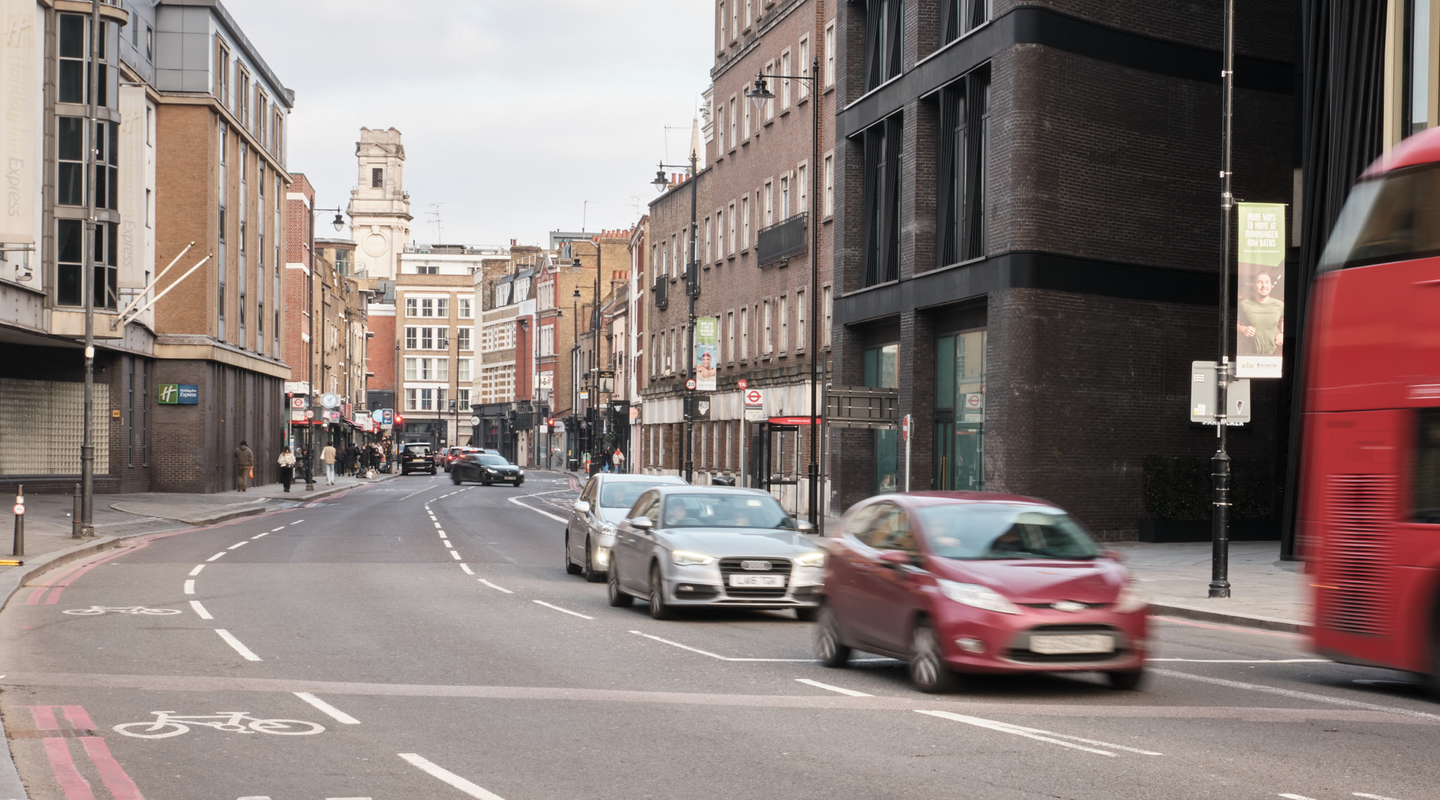
The A pillars create the most significant blind spot for most drivers. Their angle and width mean that at a junction or bend, an object directly in that zone can be entirely hidden. A cyclist, pedestrian, motorcyclist or small child crossing the road ahead of you can disappear completely behind the A pillar at exactly the moment you need to see them.
The size of the blind spot depends on distance and angle. Independent testing by Autoglass and MIRA - which calculated what's known as the "A-Spot", the width of objects hidden from a driver's view - found A-pillars can obscure objects up to 23 metres away, easily enough to hide a cyclist, motorcyclist or group of pedestrians at a junction. SUVs and crossovers with more steeply raked windscreens tend to have larger A-pillar blind spots than more upright vehicles.
How to see past the A pillar at junctions
The standard technique is to lean slightly forward and to one side before pulling out. Moving your head just a few centimetres shifts the viewing angle enough to look around the pillar. It is a habit that takes practice to make automatic.
The Highway Code requires you to look all round before emerging from a junction, moving away or overtaking. That includes areas hidden behind pillars, not just the areas visible in mirrors. At busy junctions or those where the sightline is poor, a two-stage approach - edging forward slowly to see around the pillar before committing - is often the safest option.
The B and C pillar blind spots
The B pillar, between the front and rear side windows, becomes relevant when changing lanes. If you rely only on mirrors, the B pillar and the area immediately alongside the car can hide another vehicle. A shoulder check before lane changes - physically turning your head rather than relying on mirrors alone - addresses this.
The C pillar creates a blind spot toward the rear corners when reversing or making tight manoeuvres. Combined with the interior mirror and door mirrors, checking both rear corners before reversing is worth making a habit.
Correct mirror adjustment
Well-adjusted mirrors reduce the B and C pillar problems considerably. The standard guidance is to position each door mirror so you can just see the rear corner of your own car at the inner edge of the mirror - any more, and you are duplicating what the interior mirror already shows and wasting useful field of view.
The interior mirror should give a full view through the rear window. If you normally drive with the seat low or wear hats, check that the mirror position still covers the full window rather than cutting off the lower half of the view.
Windscreen pillars and the driving test
Junction observation faults - which include hazards missed behind the A-pillar - are consistently the single biggest cause of driving test failures, a pattern in DVSA's data going back to 2006.
If you are learning to drive, practise the lean-and-look technique at every junction from the start rather than waiting to be told about it. It is much easier to build as an early habit than to correct later. Our guide to what to expect in the UK driving test covers the full list of what examiners are looking for.
Driving an unfamiliar vehicle
The blind spot problem scales with vehicle size and varies by design. Vans have broader, more upright A pillars than most cars, and drivers familiar with a car may find the blind spots on a van significantly larger than expected. Taking extra time at junctions and emerging slowly enough to look past the pillar in stages is particularly important when you are driving a vehicle for the first time.
If you are borrowing or using a car or van you do not normally drive, temporary car insurance gives you comprehensive cover on that specific vehicle from the moment you get in - so you can take the time to get used to it properly rather than feeling rushed.
Frequently asked questions
What are the A, B and C pillars on a car?
They are the structural columns that hold the roof and frame the windows. The A pillars are at the front corners of the windscreen, the B pillars separate the front and rear side windows, and the C pillars are at the rear corners. Larger vehicles may also have a D pillar at the very back.
How do you see past windscreen pillar blind spots?
Lean slightly forward and to the side before pulling out at a junction. Moving your head just a few centimetres shifts your viewing angle enough to see around the A pillar. A shoulder check - turning your head rather than relying on mirrors - addresses the B and C pillar zones before lane changes or reversing.
Are SUV A pillar blind spots worse than on normal cars?
Generally yes. SUVs and crossovers often have more steeply raked windscreens and broader A pillars, which creates a larger angular blind spot. The gap between what a short driver and a tall driver can see past an A pillar is also larger in these vehicles.
Does the driving test check for A pillar blind spots?
Yes. Examiners look for adequate observation at junctions, which includes checking the areas hidden behind the A pillar and not just those visible in mirrors. Failing to spot a hazard in the pillar blind spot is a serious fault on the test.
Can windscreen pillars be a factor in accidents?
Yes. A pillar blind spots are a known factor in junction collisions involving cyclists and pedestrians, who can be hidden at the exact moment a driver is checking for traffic. The lean-and-look technique is specifically designed to address this before emerging at a give-way.
Temporary insurance quote
Get a price in under 60 seconds!