
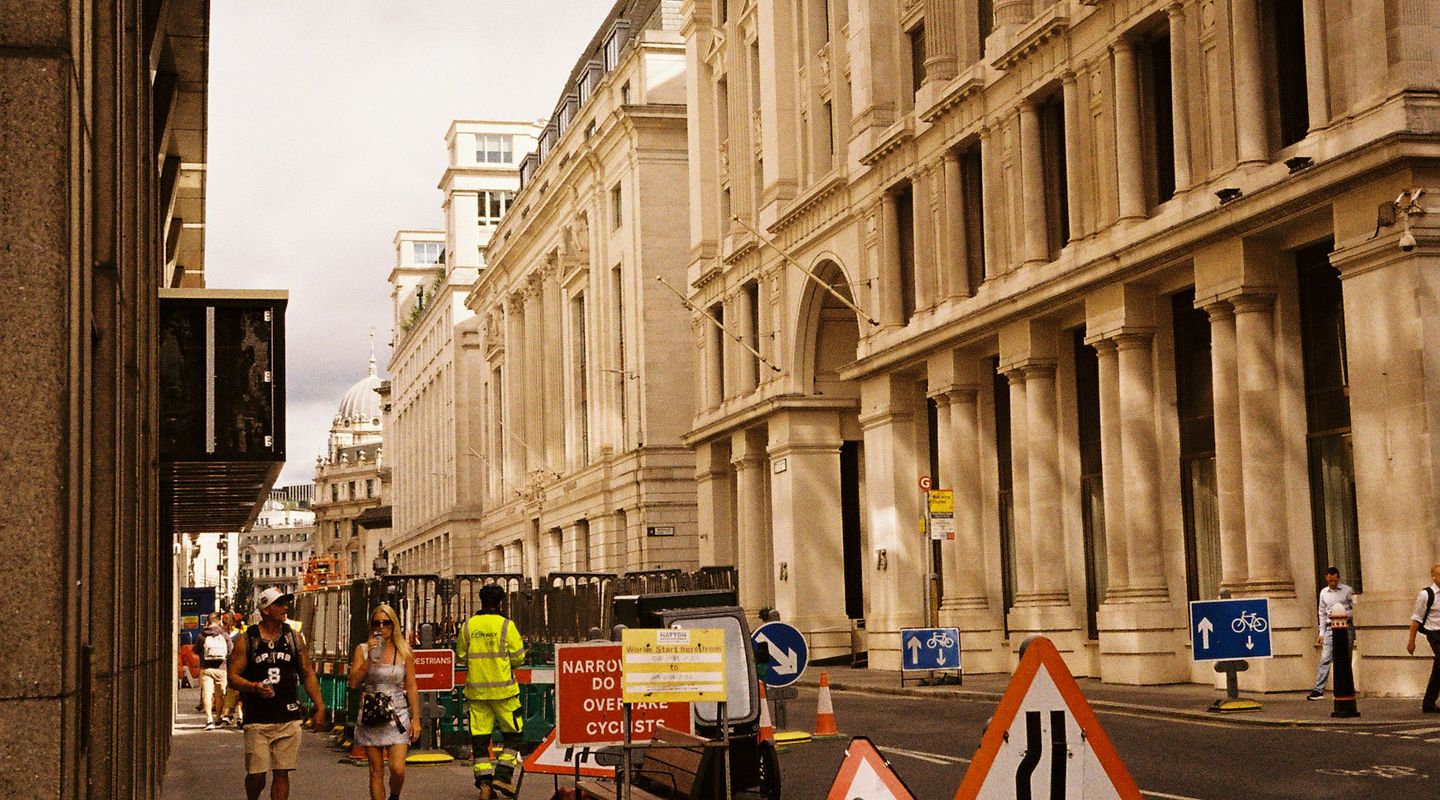
Merge in turn: the zip merge rule for roadworks and lane closures
Merging in turn - taking it in turns to join a single lane, one car at a time, like a zip - is not queue-jumping. It is Highway Code rule 134, recommended specifically for slow-moving traffic approaching roadworks or an incident. Using both lanes fully until the merge point, then alternating, moves traffic faster than everyone squeezing into one lane early. Here is what the rule actually says, and when it applies.

Earn points and use them to save money in the app. Download today.


What is merge in turn?
Merge in turn - also called zip merging - is where two lanes of traffic close up to a single lane by taking turns to join, one car from each lane alternately, like the teeth of a zip closing. Instead of everyone merging early and leaving one lane empty, both lanes stay full right up to the point they actually need to become one.
It looks like queue-jumping to drivers who have already merged early. It isn't. It is the technique the Highway Code actually recommends for exactly this situation.
What does Highway Code rule 134 say?
Rule 134 states that merging in turn "is recommended but only if safe and appropriate when vehicles are travelling at a very low speed, e.g. when approaching road works or a road traffic incident." It adds that the technique "is not recommended at high speed."
In other words, the rule is specific to slow, congested traffic approaching a known lane closure - not a general licence to force a late merge whenever it suits you in fast-moving traffic. Read rule 134 in full on GOV.UK.
Why merging late is not queue-jumping
Drivers who merge early often see a car staying in the "closing" lane until the last moment as pushing in. Under rule 134, the opposite is usually true: that driver is following the recommended technique, using the road space that is there to be used, then joining in turn like every other car ahead of them.
The frustration is understandable - most drivers have never been taught this rule, since it is not part of the standard driving test syllabus. But following it is not rule-breaking. Deliberately blocking someone from merging in turn, on the other hand, achieves nothing except making the queue longer for everyone.
Why zip merging reduces congestion
Two lanes of stationary or slow traffic take up roughly half the length of one lane carrying the same number of vehicles. Merging early empties one lane long before the closure, which pushes all the traffic into a single queue that stretches back much further than it needs to.
Merging in turn keeps both lanes working until the actual pinch point, then resolves the bottleneck in one smooth, predictable movement rather than dozens of drivers all trying to force their way across at different points along the queue.
When merging in turn does not apply
Rule 134 is deliberately narrow. It applies to slow-moving traffic approaching road works or a road traffic incident - not to motorway traffic moving freely at speed, and not as justification for cutting into a gap late just to gain a few places.
At normal speed, standard lane discipline still applies: follow the signs and road markings well in advance, and merge smoothly into a gap without forcing anyone to brake or swerve. Save merging in turn for genuinely slow, queuing traffic where the technique is intended to work.
Is it illegal to block someone merging in turn?
Not specifically. Rule 134 is advisory - it uses "recommended," not "MUST" - so there is no standalone fixed penalty for refusing to let someone merge in turn. That does not make it a good idea.
Deliberately closing the gap, accelerating to stop someone joining, or reacting aggressively can contribute to a careless or inconsiderate driving offence if it causes a collision or endangers another road user. The safer, quicker option for everyone is simply to let one car in and keep the queue moving.
How to merge in turn courteously
Indicate early so drivers around you know your intention, then match your speed to the gap rather than accelerating to beat another car into it. Let one vehicle in from the closing lane, then move on - there is no need to wave several cars through at once.
A single flash of your headlights is a widely used way to acknowledge someone letting you in, though strictly the Highway Code says headlights should only be used to let others know you are there, not to send any other message. Flashing hazard lights as a thank-you is a step further: it is not permitted under Highway Code rule 116 while driving, except as a moving hazard warning - our guide to hazard light rules explains the exceptions in full.
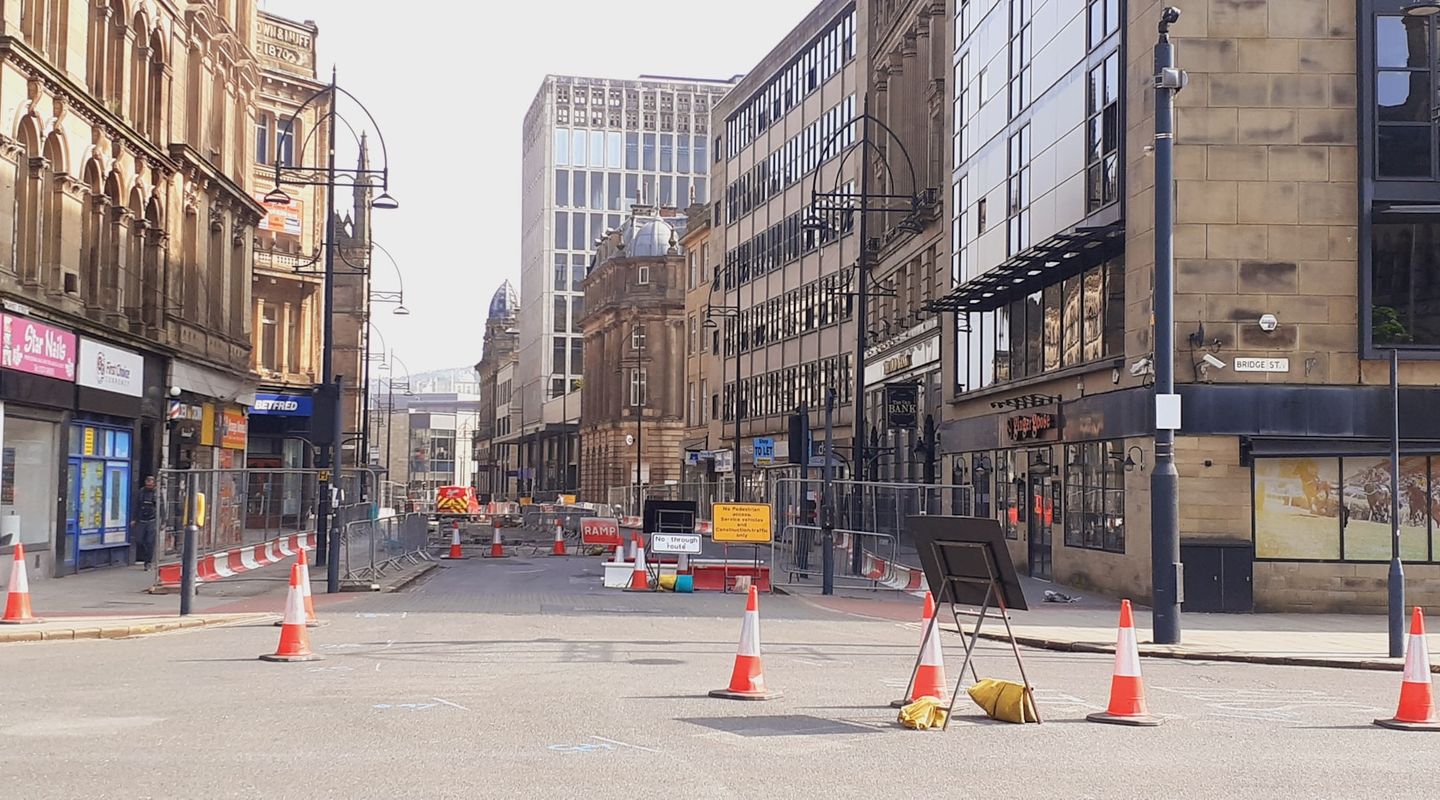
Building confidence for roadworks and busy roads
Roadworks, lane closures and merging traffic are one of the more stressful parts of everyday driving, especially for newer or less experienced drivers. Knowing the rule - and knowing that using the closing lane right up to the merge point is not rule-breaking - takes some of the pressure off.
It also helps to remember the technique only works if both sides play along. A queue with a mix of early mergers and drivers correctly using the closing lane still gets congested and tense, so treating both approaches as valid removes some of the friction between drivers who are, in most cases, both trying to do the right thing.
Our guide to motorway driving rules covers lane discipline more broadly, including smart motorways and what to do if you break down. If you are driving a car that is not usually yours - borrowed, hired, or while your own is off the road - temporary car insurance provides comprehensive cover from one hour.
Frequently asked questions
Is merge in turn a real rule or just advice?
It is real, but advisory rather than compulsory. Highway Code rule 134 recommends merging in turn for slow-moving traffic approaching road works or an incident. Advisory rules use wording like should or recommended rather than MUST, so there is no automatic fixed penalty for not following it - though ignoring it can make queues longer and driving more stressful for everyone.
Is zip merging legal in the UK?
Yes. It is explicitly endorsed by Highway Code rule 134 for slow-moving traffic approaching road works or a road traffic incident. It is not recommended at higher speeds, where normal early lane discipline applies instead.
Should you merge early or late in traffic?
It depends on the situation. In slow, queuing traffic approaching a known lane closure, merging in turn - staying in your lane until the merge point, then alternating - is the recommended technique. At normal speed, or where there is no queue, merging smoothly and early in good time remains the safer approach.
Is it rude to merge late at roadworks?
Not if traffic is slow and queuing. Using the open lane fully and then merging in turn is exactly what the Highway Code recommends in that situation, even though it can look like queue-jumping to drivers who merged early.
Can you get in trouble for not letting someone merge in turn?
There is no specific fixed penalty for refusing to let a driver merge in turn, since rule 134 is advisory rather than a MUST requirement. But deliberately blocking someone, or reacting aggressively to being merged in front of, can contribute to a careless or inconsiderate driving offence if it causes danger or a collision.
Temporary insurance quote
Get a price in under 60 seconds!