
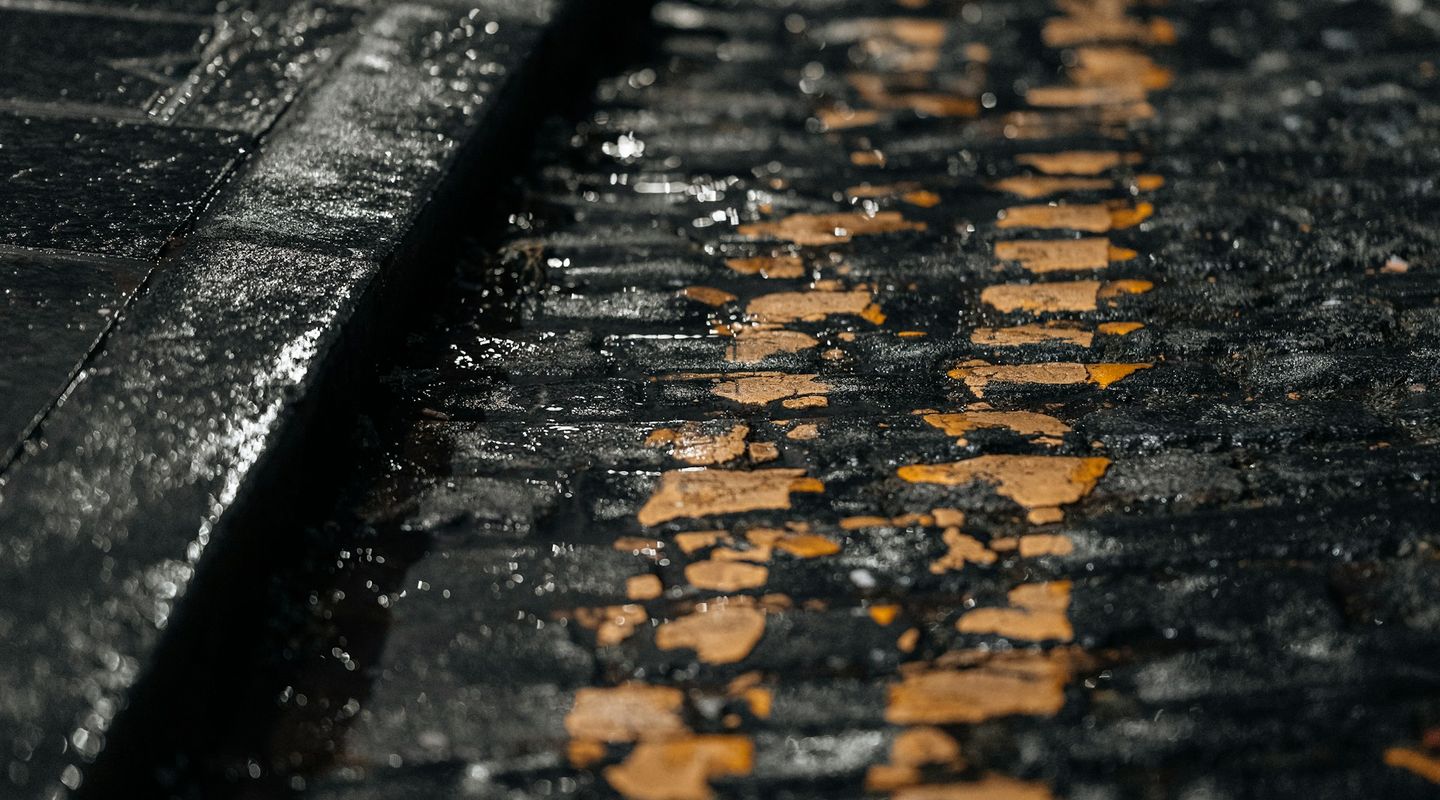
Double yellow lines explained
Double yellow lines are one of the most misunderstood road markings in the UK. They mean no waiting at any time - but that is not the same as no stopping, and loading restrictions follow their own separate rules. This guide explains exactly where you can and cannot park near yellow lines, and what happens if you get it wrong.

Earn points and use them to save money in the app. Download today.


What do double yellow lines mean?
Double yellow lines painted along the kerb edge mean no waiting at any time. Waiting means parking or leaving your vehicle unattended. The restriction applies every day of the year, including Sundays and bank holidays, unless a sign nearby specifies otherwise.
No waiting is not the same as no stopping. You can briefly stop at double yellow lines to drop off or pick up a passenger, provided the person gets out and you drive away promptly. The line is crossed when you wait while they go inside somewhere.
Single yellow lines: a different restriction
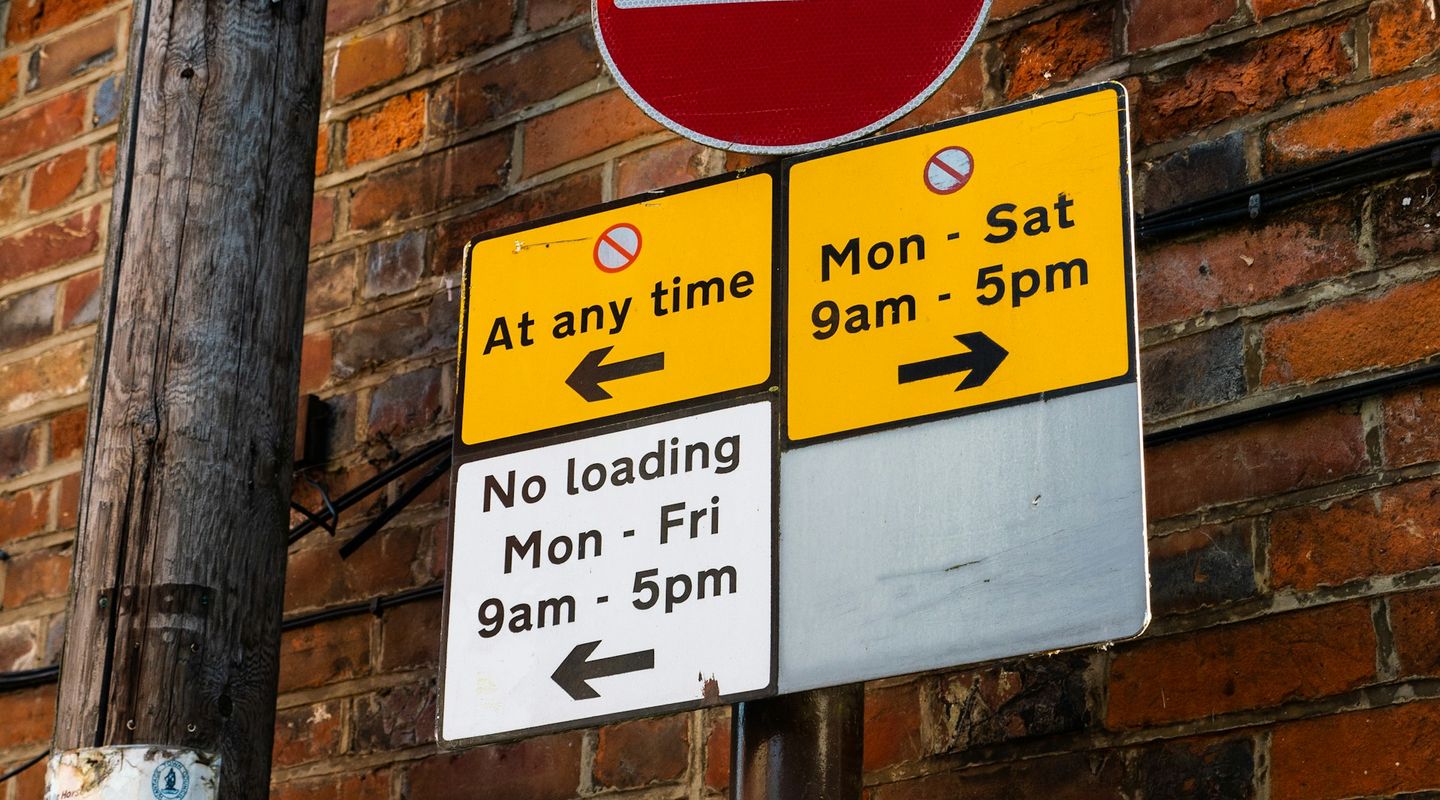
A single yellow line along the kerb means no waiting during certain hours. Those hours are shown on a nearby sign or on the Controlled Parking Zone (CPZ) entry sign at the road junction. Outside those restricted hours, parking is permitted.
If there is no individual sign visible near a single yellow line, look for the zone entry signs at the nearby junction. In a CPZ, the zone boundary sign covers the whole area inside it, so there may not be an individual sign at every stretch of yellow line.
Loading and unloading on yellow lines
Stopping to load or unload goods is permitted on double yellow lines unless kerb marks prevent it. Kerb marks are short yellow lines painted perpendicular to the kerb edge. Two marks mean no loading at any time. One mark means no loading during certain hours, shown on a nearby sign.
Where there are no kerb marks at all, loading is generally permitted on double yellow lines - provided you are actively loading and not causing an obstruction. Delivery drivers rely on this rule regularly, but it applies equally to private drivers moving goods.
Blue badge holders
Blue badge holders can park on double yellow lines for up to three hours, provided there are no kerb marks and no signs specifically prohibiting badge holder parking. The badge must be displayed correctly with the clock disc set to the arrival time.
This exemption does not apply on red routes or where a sign specifically says no badge parking is permitted.
Fines for parking on yellow lines
Parking on double yellow lines without a permitted reason will result in a Penalty Charge Notice from the local council. In most of England the fine is £70, reduced to £35 if paid within 14 days. In London, fines can be up to £160, reduced to £80 for early payment (some boroughs charge a lower Band B rate of £140, reduced to £70).
Enforcement is carried out by Civil Enforcement Officers or by camera-equipped vehicles. Briefly stopping to drop off a passenger should not result in a PCN, but if a warden photographs your vehicle without seeing the full context, you can challenge the notice.
Common mistakes
These are the situations where drivers most often get caught on yellow lines:
- Stopping "just for a moment" while waiting for someone inside a shop - this counts as waiting
- Assuming Sundays and bank holidays are always restriction-free on double yellow lines - they are not unless a sign says so
- Missing kerb marks and loading for too long without actively moving goods
- Assuming a single yellow line with no sign nearby has no restriction - check for the zone entry sign at the junction

If you need to check the parking rules at a specific location before travelling, the local council's website or a parking enforcement map will show the restrictions in detail. Our guide to parking rules in the UK covers the broader picture including pay and display bays, resident zones, and red routes.
Frequently asked questions
Can you stop on double yellow lines to drop someone off?
Briefly stopping to drop off or pick up a passenger is permitted on double yellow lines. You must not wait - the passenger should get out and you should drive away promptly. If you park and wait while they go inside, that counts as waiting and is not permitted.
What is the difference between a single and double yellow line?
Double yellow lines mean no waiting at any time, every day of the year. Single yellow lines mean no waiting during specified hours, shown on a sign or on the Controlled Parking Zone entry sign at the nearby junction. Outside those hours, parking on a single yellow line is permitted.
Can I load and unload on double yellow lines?
Yes, provided there are no kerb marks on the pavement edge restricting loading. Short yellow lines painted perpendicular to the kerb are loading restrictions. Two marks mean no loading at any time; one mark means no loading during certain hours. Where there are no kerb marks, loading and unloading is generally permitted.
Can Blue Badge holders park on double yellow lines?
Blue Badge holders can park on double yellow lines for up to three hours, as long as there are no kerb marks and no signs specifically prohibiting badge holder parking. The badge must be displayed with the clock disc set to the arrival time. This exemption does not apply on red routes.
What is the fine for parking on double yellow lines?
In most of England, the Penalty Charge Notice is £70, reduced to £35 if paid within 14 days. In London, fines can be up to £160, reduced to £80 for early payment (some boroughs charge a lower Band B rate of £140, reduced to £70). Fines are issued by Civil Enforcement Officers or by camera-equipped enforcement vehicles.
Temporary insurance quote
Get a price in under 60 seconds!