

Car maintenance checklist for UK drivers
Most car breakdowns are preventable. The majority are caused by issues with tyres, batteries, cooling systems or fuel - all of which a basic maintenance routine would have caught. This checklist covers what to check, how often, and what the warning signs look like.

Earn points and use them to save money in the app. Download today.


Weekly checks (five minutes)
A quick weekly check takes no longer than it takes to fuel up. It covers the four areas responsible for most breakdowns and roadside failures.
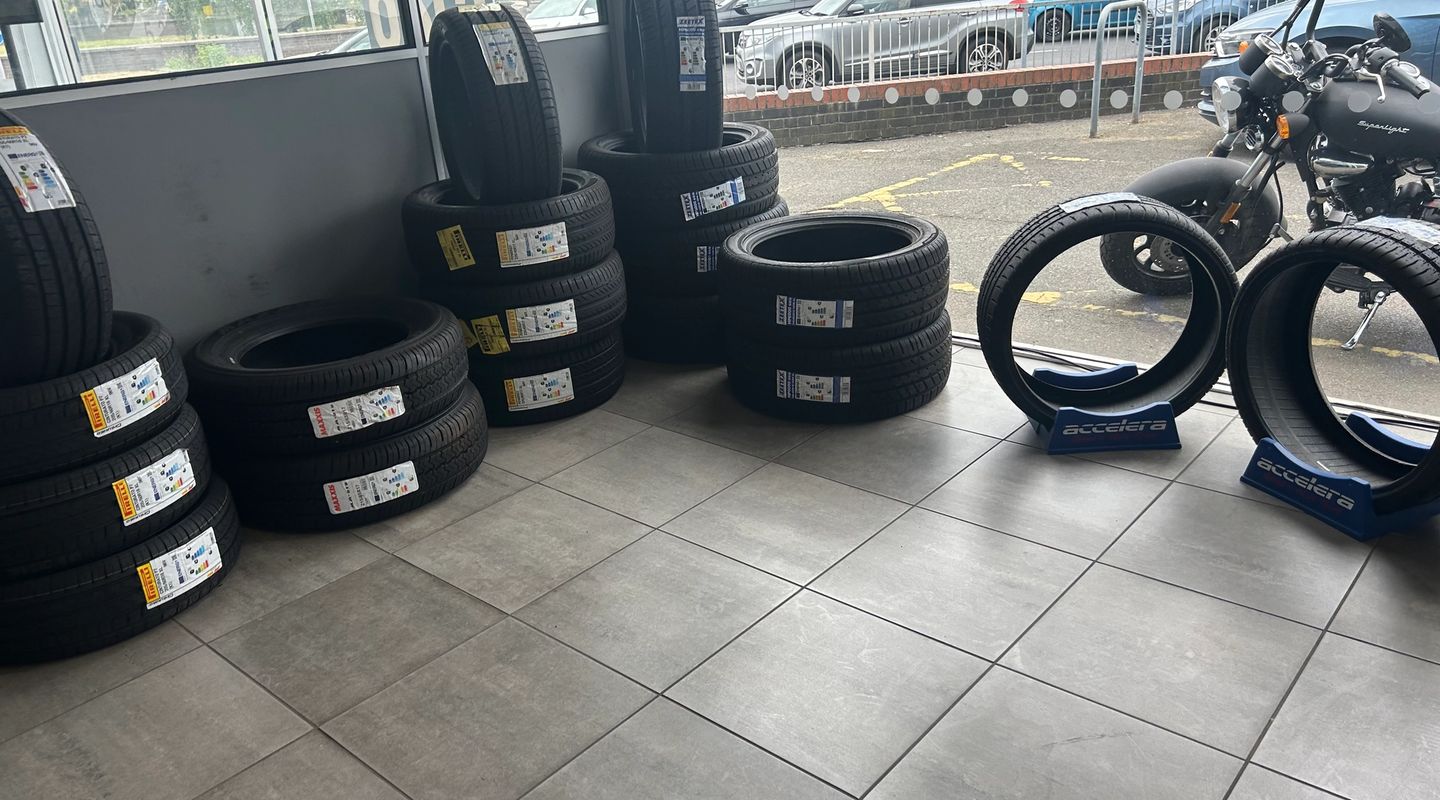
Tyres: Walk round the car and look for any obvious damage, bulges or nails embedded in the tread. Check the tread depth visually - the legal minimum in the UK is 1.6mm across the central three-quarters of the tyre. Our guide to tyre laws covers the rules and the risks of driving on worn rubber. At least once a month, check the pressures using a gauge when the tyres are cold.
Oil level: Open the bonnet, find the dipstick (usually yellow), pull it out and wipe it clean. Reinsert it fully and pull out again to read the level. It should sit between the minimum and maximum marks. Low oil is one of the fastest ways to cause serious engine damage.
Coolant level: Check only when the engine is cold - never open the coolant reservoir when hot. The level should sit between the MIN and MAX marks on the translucent reservoir. Low coolant leads to overheating.
Windscreen washer fluid: Top up with a dedicated screen wash solution rather than water alone. Plain water freezes in winter, and screen wash contains de-icer and cleaning agents that plain water does not.
Monthly checks
Lights: Turn on the headlights, sidelights, indicators, hazards and brake lights. Check all bulbs are working. A failed rear brake light is invisible from the driver's seat and a common reason for being stopped.
Wipers: Run the wipers across a wet windscreen. Smearing, streaking or juddering means the blades need replacing. Worn wiper blades cause significant visibility problems in rain.
Battery: Modern batteries rarely give much warning before they fail. A battery that is slow to turn the engine over, or a car that needs jump-starting more than occasionally, is likely near the end of its life. Most batteries last 3 to 5 years.
Brakes: Squealing or grinding when braking, a pedal that feels spongy or travels further than usual, or pulling to one side - any of these is a reason to get the brakes checked by a garage rather than wait for a service.
Before a long journey
Before a motorway run or a long trip, run through everything above, and add:
- Spare tyre: check it is inflated and in usable condition (or that the foam tyre repair kit is present and in date)
- Fuel: fill up before rather than planning to stop on route
- Engine oil: top up if below halfway between MIN and MAX marks
- Screen wash: make sure the reservoir is full

Annual and service checks
A full service covers the items most drivers cannot check themselves. The service interval depends on the manufacturer - typically every 12 months or a set mileage, whichever comes first. Key items:
- Cambelt (timing belt): This is the most critical service item. A snapped cambelt can cause catastrophic engine damage in seconds. Check the manufacturer's replacement interval - often every 4 to 6 years or 60,000 miles, but it varies significantly.
- Brake pads and discs: Worn pads can be heard (squealing) but worn discs often are not. A service checks both.
- Air filter: A clogged air filter reduces engine efficiency and fuel economy.
- Spark plugs: On petrol engines, worn plugs cause misfires and poor starting.
- Coolant and brake fluid: Both degrade over time and should be replaced according to the service schedule.
Warning signs you should not ignore
These are not symptoms to monitor - they are reasons to stop driving and get help:
- Temperature gauge in the red: pull over immediately and switch off. Driving an overheating engine causes rapid, serious damage.
- Oil pressure warning light (usually red oil can symbol): stop the car as soon as it is safe and check the oil level. Do not drive further.
- Any brake warning light accompanied by reduced braking performance.
- Smoke or a burning smell from the bonnet.

Temporary cover when your car is off the road
When your own car is in for a service, repair or MOT, borrowing a friend or family member's car is a practical solution. Temporary car insurance covers you on their vehicle comprehensively without affecting their annual policy or no claims discount.
Frequently asked questions
How often should you service a car in the UK?
Most manufacturers recommend a service every 12 months or a set mileage, whichever comes first. Check your car's handbook for the specific interval. Some modern cars with variable servicing show a reminder on the dashboard.
What is the most important car maintenance check?
Tyre condition and pressure, and oil level, are the two checks most directly linked to safety and breakdown. Tyres affect every aspect of handling and stopping, and low oil can destroy an engine within minutes. Both are quick to check and easy to overlook.
What happens if you ignore the oil warning light?
Driving with critically low oil pressure can cause catastrophic and irreversible engine damage within minutes. The red oil can symbol means stop the car as soon as it is safe, check the oil level, and do not drive further until the issue is resolved.
How do I know when my cambelt needs replacing?
The manufacturer's service schedule sets the interval - often every 4 to 6 years or 60,000 miles, but it varies significantly by model. There are usually no warning signs before a cambelt snaps, which is why replacing it at the recommended interval is essential.
Temporary insurance quote
Get a price in under 60 seconds!