
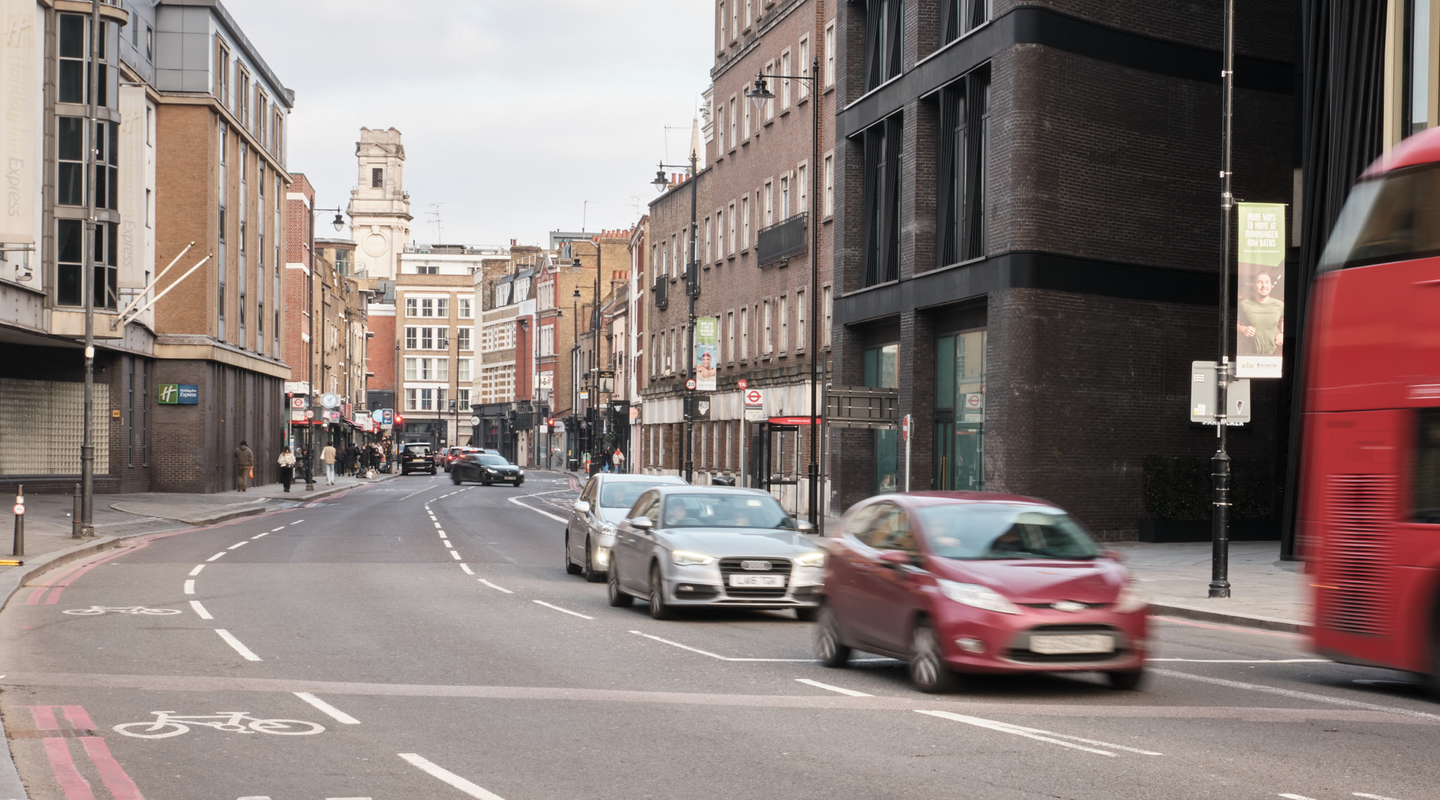
Giving way to emergency vehicles UK: what the law actually says
Highway Code Rule 219 says take appropriate action to let emergency vehicles pass - while complying with all traffic signs. There is no legal exemption for civilian drivers who jump a red light, stop inside a yellow box or enter a bus lane to make way for an ambulance.

Earn points and use them to save money in the app. Download today.


What UK law says about emergency vehicles
Highway Code Rule 219 covers this directly. It tells drivers to look and listen for emergency vehicles using blue lights and sirens, consider their route and take appropriate action - but crucially, "while complying with all traffic signs."
There is no law that grants civilian drivers an exemption from road traffic rules when an emergency vehicle approaches. If you jump a red light, stop inside a yellow box junction or drive into a bus lane to create space, the underlying traffic offence still stands. The emergency vehicle is context, not a legal pass.
Can you be fined for helping an emergency vehicle?
Yes. If you break a traffic regulation while making way for an emergency vehicle, you can be issued a penalty notice for the specific rule you broke. The most common situations:
- Red light: £100 fixed penalty notice and three penalty points
- Yellow box junction: up to £130 penalty charge notice (up to £160 on London red routes)
- Bus lane: typically £60 to £130 depending on the local authority

The emergency vehicle provides useful context if you appeal, but it does not automatically cancel the penalty. Each case is assessed individually, and the outcome often depends on what evidence is available.
Which vehicles are covered?
The Highway Code obligation applies to vehicles using blue or green flashing lights with an audible warning. This includes police cars and motorcycles, ambulances, rapid response paramedic vehicles, fire engines and blood bikes - the volunteer motorcyclists who transport urgent medical supplies using green lights.
Highways England vehicles on motorways typically use amber lights. Give them space, but the obligation to comply with traffic signs still applies. You are not legally required to take special action for vehicles using hazard lights or headlights alone, though leaving space for any vehicle responding urgently is sensible driving practice.
What to actually do when you see sirens
Stay calm and give yourself time to react. Rushed, panicked responses cause most of the problems:
- Check your mirrors to locate the vehicle and identify its direction of travel
- Signal and move left when it is safe - not abruptly or without checking it is clear
- Do not mount kerbs, brake suddenly, or swerve across lanes without checking they are clear
- Do not pull into a side road or junction to make space - you may block the emergency vehicle entirely
- At traffic lights, stay where you are if moving forward would require jumping a red light - emergency drivers are trained to navigate around queued traffic at junctions and expect civilian drivers to hold their position
The guiding principle: act as you would if no emergency vehicle were present, but use any legal, safe opportunity to create space.
Red lights, yellow boxes and bus lanes
These are the three most common sources of fines when drivers try to help. Each has its own enforcement method.
Red lights are recorded by fixed and mobile cameras. Footage does not capture audio, so a siren being audible to you is not visible in the evidence. The camera records a vehicle crossing the stop line on red, and that is the offence.
Yellow box junctions in many towns and cities are monitored by local authority cameras. The camera records your position inside the box, not your reason for being there.
Bus lanes are covered by council cameras on the same basis. Entering a bus lane outside permitted hours is a violation regardless of the circumstances that led to it.
If you receive a notice in any of these situations and were genuinely making way, appeal with dashcam footage, plus the time, date and approximate location of the emergency vehicle. Many appeals on this basis succeed.
Can you appeal a fine?
Yes. For a fixed penalty notice issued by police, you can contest it in court. For a penalty charge notice issued by a local authority, the authority's formal appeals process applies.
Dashcam footage is the strongest evidence you can have - it shows the emergency vehicle, its lights and how close it was to you. Some local authorities have informal policies to cancel notices in these circumstances when the evidence is clear. Appealing does not automatically trigger penalty points: points on your licence are only recorded once a penalty is accepted or a court imposes them.
Covered for every journey
Whether you are driving your own car or a borrowed one, the same rules apply. If you need short-term cover for a trip in someone else's vehicle, temporary car insurance provides comprehensive cover from one hour, keeping the car owner's no claims discount completely separate. Policies can be arranged in minutes. Our guide to driving laws you might not know you are breaking covers more rules that catch experienced drivers off guard.
Frequently asked questions
Can you jump a red light to let an ambulance through in the UK?
No. There is no legal exemption that allows civilian drivers to jump a red light for an emergency vehicle. If you do, the red light offence stands and you may receive a fixed penalty notice and three points. The Highway Code says to give way while complying with all traffic signs. If you receive a fine and have dashcam footage of the emergency vehicle, appeal.
What should I do if an ambulance is behind me at traffic lights?
Stay where you are if moving forward would require jumping a red light. Emergency vehicle drivers are trained to navigate around queued traffic and will not expect you to break the law. Move left when the lights change and it is safe to do so. If the lights are on a long cycle and there is a safe legal option to create space before they change, take it.
Can I drive in a bus lane to let an emergency vehicle past?
Only if the bus lane is currently open to general traffic. If the bus lane is restricted and you enter it outside permitted hours, you risk a penalty charge notice from the local authority. Create space in the traffic lane instead, using legal road space.
What if I get fined for helping an emergency vehicle?
Appeal. If you have dashcam footage showing the emergency vehicle's lights and its proximity to you, include it with your appeal. Fixed penalty notices can be contested in court; local authority penalty charge notices go through the authority's own appeals process. Many appeals in these circumstances succeed, particularly with clear footage.
Do unmarked police cars have right of way?
Unmarked police vehicles using blue lights and a siren carry the same obligation as marked cars - take appropriate action while complying with traffic signs. A vehicle flashing headlights without blue lights does not create the same obligation, even if it turns out to be a police vehicle. You are only required to respond to the distinctive combination of blue lights and an audible warning.
Temporary insurance quote
Get a price in under 60 seconds!