
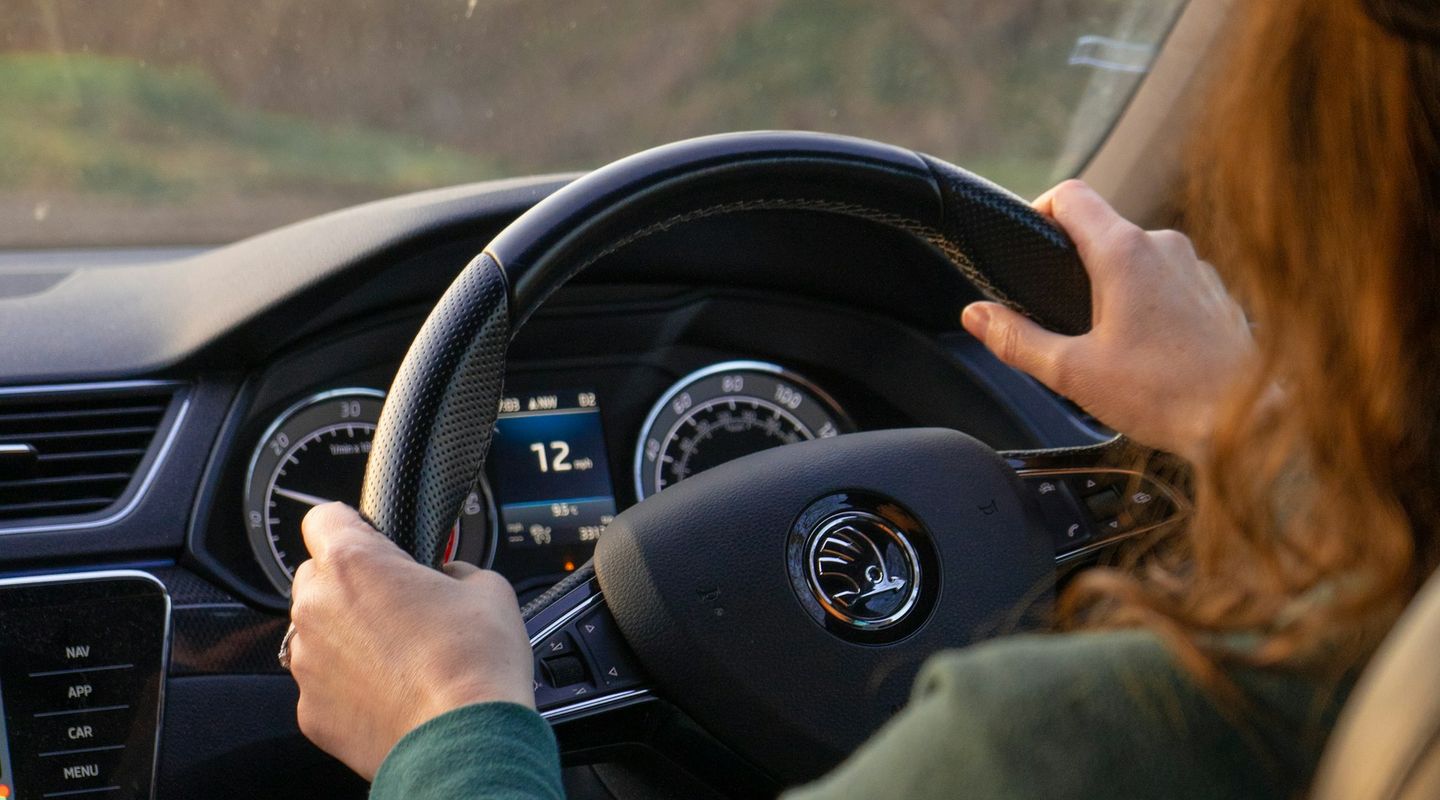
What is a
named driver?
Cover under someone else's policy - without being the policyholder.
A named driver is someone listed on a car insurance policy who is permitted to drive the insured vehicle, but who is not the main policyholder. They are covered under the same policy but the cover is primarily arranged in someone else's name.

Earn points and use them to save money in the app. Download today.


How does named driver cover work?
When you are listed as a named driver on someone else's policy, you are insured to drive that specific vehicle under the same terms as the main policyholder. You do not take out your own separate policy - you are added to an existing one.
Named driver cover is typically used when someone else occasionally needs to drive a vehicle that belongs to the policyholder. Common examples include a spouse or partner using the family car, an adult child borrowing a parent's vehicle, or a colleague driving a company car for a one-off trip.
The key word is 'occasionally'. If a named driver regularly uses the vehicle more than the policyholder, this raises questions about who is the true main driver - a distinction that matters significantly to insurers.
If you need to drive a car you do not own, it is also worth reading our guide on whether you can drive someone else's car to understand the different ways this can be covered.
For a one-off loan rather than adding someone permanently, temporary insurance for lending your car is often the simpler and cheaper solution.
For a short-term or one-off need rather than adding someone permanently, our guide to adding a temporary driver to your insurance explains the options and when a standalone policy makes more sense than a policy amendment.
Named driver arrangements can create situations where two policies nominally cover the same vehicle - two policies on one car - the rules and risks explains when this is permitted, when it creates problems, and how to avoid over-insuring or duplicating cover.
Named driver vs main driver - what's the difference?
The main driver is the person who uses the vehicle most frequently. This is typically the owner, but not always - for example, a parent might own a car that their student child uses every day during term time.
The named driver is someone who uses the vehicle less often than the main driver. There is no strict definition of how much 'less often' means, but the general principle is that the main driver is the vehicle's primary user and the named driver is secondary.
Insurers price the policy based on the risk profile of the main driver. The main driver's age, claims history, occupation and other factors determine the bulk of the premium. This is why there is sometimes a temptation to list a lower-risk individual as the main driver when they are not - but doing so is illegal.
If you are genuinely unsure who should be listed as the main driver, err on the side of accuracy. The correct answer is whoever uses the vehicle most regularly, regardless of who owns it.
Adding someone as a named driver is one of the main ways to let another person drive your car legally - whether someone else can drive your car explains the DOC extension, named driver options, and the risks of fronting if the wrong person is listed as the main driver.
For a one-off occasion rather than regular sharing, 1 day car insurance is often simpler than adding a named driver - cover for 24 hours with no effect on the owner's policy.

What is fronting and why does it matter?
Fronting is when someone is deliberately listed as the main driver on a policy in order to obtain a lower premium, even though another person actually drives the vehicle more. It is most commonly associated with young drivers, where a parent is listed as the main driver to reduce the premium on a car primarily used by their son or daughter.
Fronting is insurance fraud. It is illegal under the Fraud Act 2006, and the consequences if discovered can include the policy being voided, no claim being paid, a fraud prosecution and significant difficulties obtaining future insurance.
Insurers investigate claims carefully. Patterns consistent with fronting - such as a named driver being significantly younger and higher-risk than the listed main driver, or incident locations that suggest the named driver was the primary user - are common triggers for scrutiny.
For more on fake and fraudulent insurance practices, see our guide on ghost broking and how to spot fake insurance.
Does being a named driver build a no claims discount?
In most cases, no. The no claims discount (NCD) belongs to the main policyholder, not to any named drivers listed on the policy. As a named driver, you do not accumulate your own NCD through someone else's policy.
Some insurers do offer a 'named driver NCD' scheme where a named driver can earn credit toward their own future NCD, but this is not standard and varies significantly between providers. If building your own claims history is a priority, you would generally need a policy in your own name.
For a full explanation of how no claims discounts work and why they matter, see our guide on what a no claims discount is.
If you make a claim while driving as a named driver, it is the main policyholder's NCD that is typically affected - not yours. This is one reason why the vehicle owner should carefully consider who they add to their policy.
Named driver arrangements are legitimate, but taking out a full policy in someone else's name as the main driver is not - can someone insure your car without your knowledge explains how ghost broking and fronting arrangements work and the legal consequences for both parties.
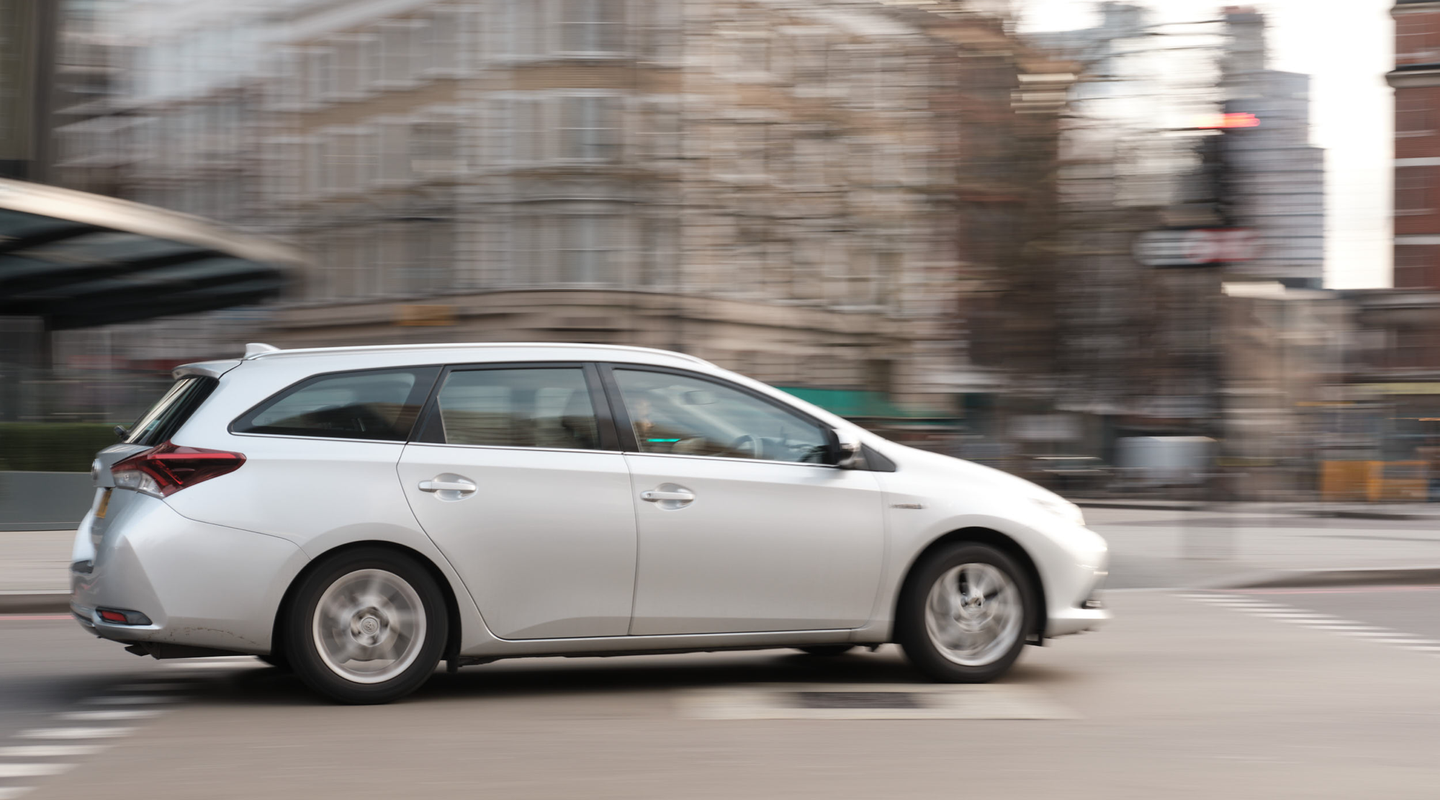
Named driver
vs temporary insurance.
Different shapes for different lengths of cover.
Being added as a named driver works well for regular, ongoing use of a vehicle. It is generally the right choice if you will be using the same car consistently over a long period - for example, a partner who drives the family car several times a week throughout the year.
Temporary insurance is often a better fit for occasional, one-off or short-duration use. If you only need to drive a car for a few days, to complete a specific journey, to test drive a vehicle or to cover a short gap, adding yourself as a named driver to someone's annual policy involves amending their policy and potentially affecting their renewal terms.
Temporary car insurance taken out in your own name avoids affecting the vehicle owner's policy entirely. It does not impact their no claims discount, does not alter their policy terms and provides Comprehensive cover as standard. It is available from one hour upwards. Documents are available immediately after purchase and you can get a quote in under a minute.
For situations where you are borrowing a friend's or family member's car for a specific trip, our guide on borrowing a friend's car for a road trip covers what to consider and which option suits different scenarios.
Read our full guide to car insurance fronting for a complete breakdown of what it is, why it is illegal, and the consequences if you are caught.
Temporary insurance quote
Get a price in under 60 seconds!

Top tip
If you'll be using a car only occasionally, a temporary policy in your own name keeps the vehicle owner's annual cover (and their no claims discount) untouched.